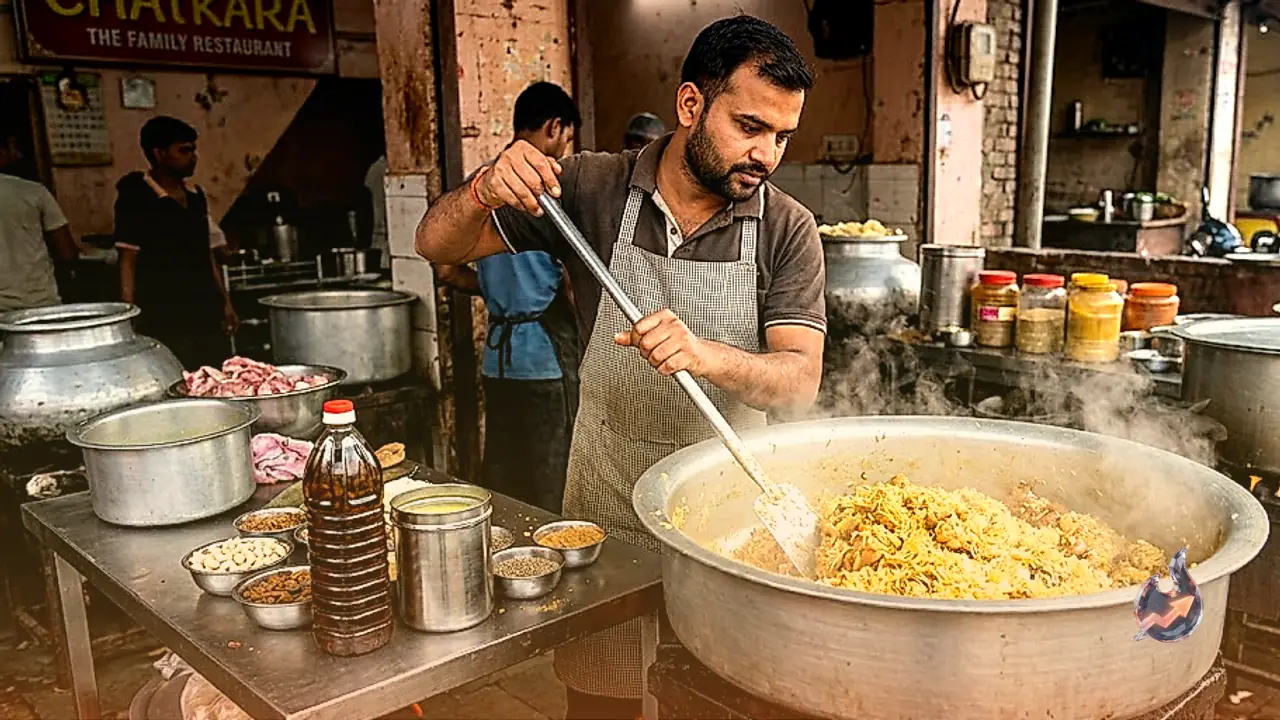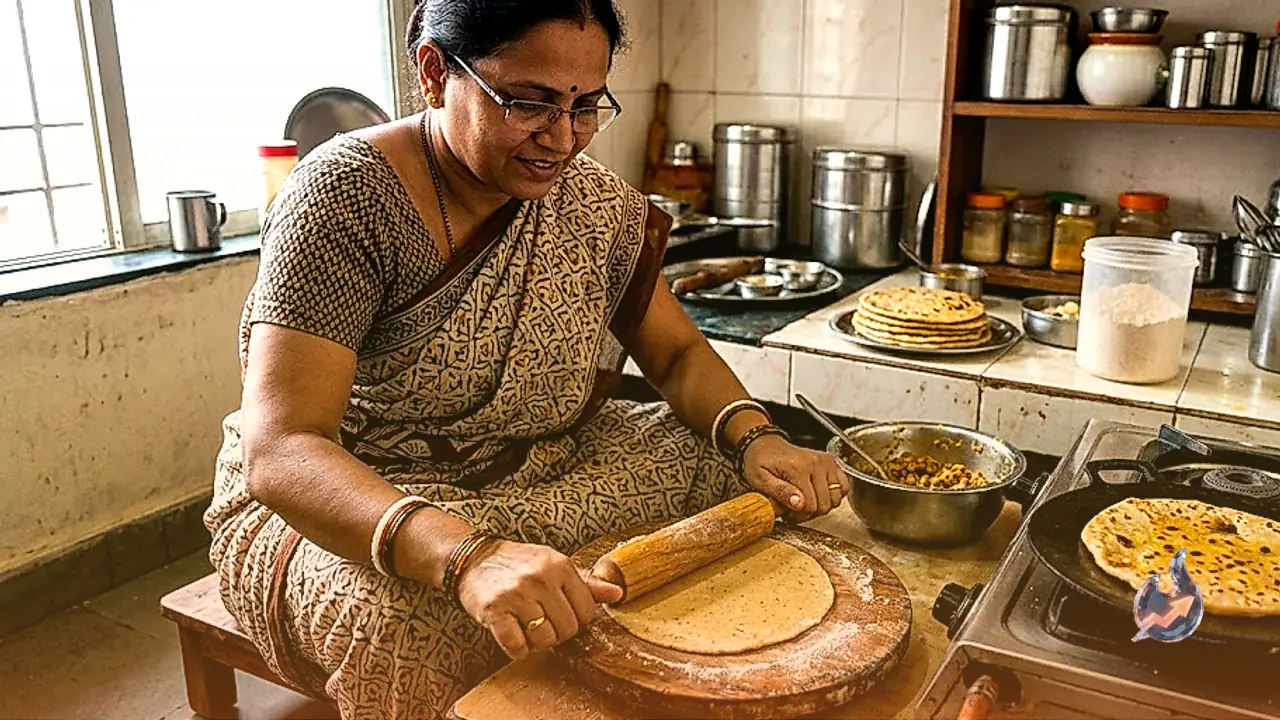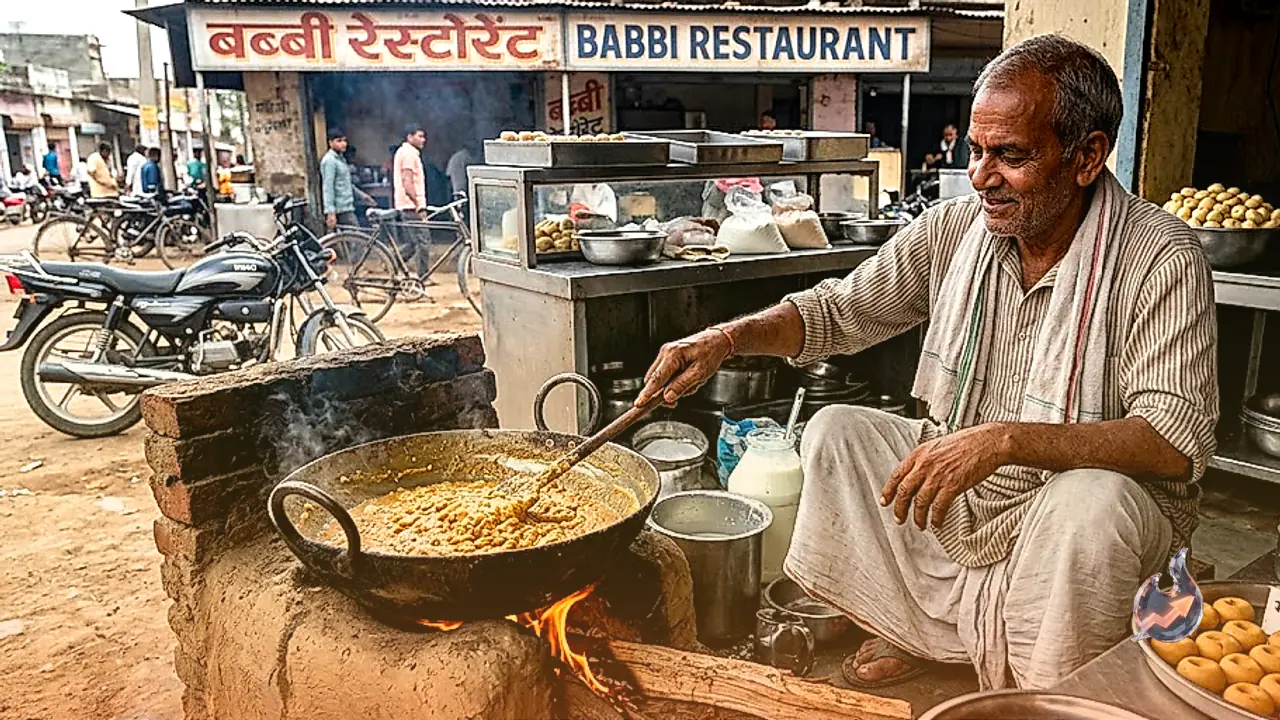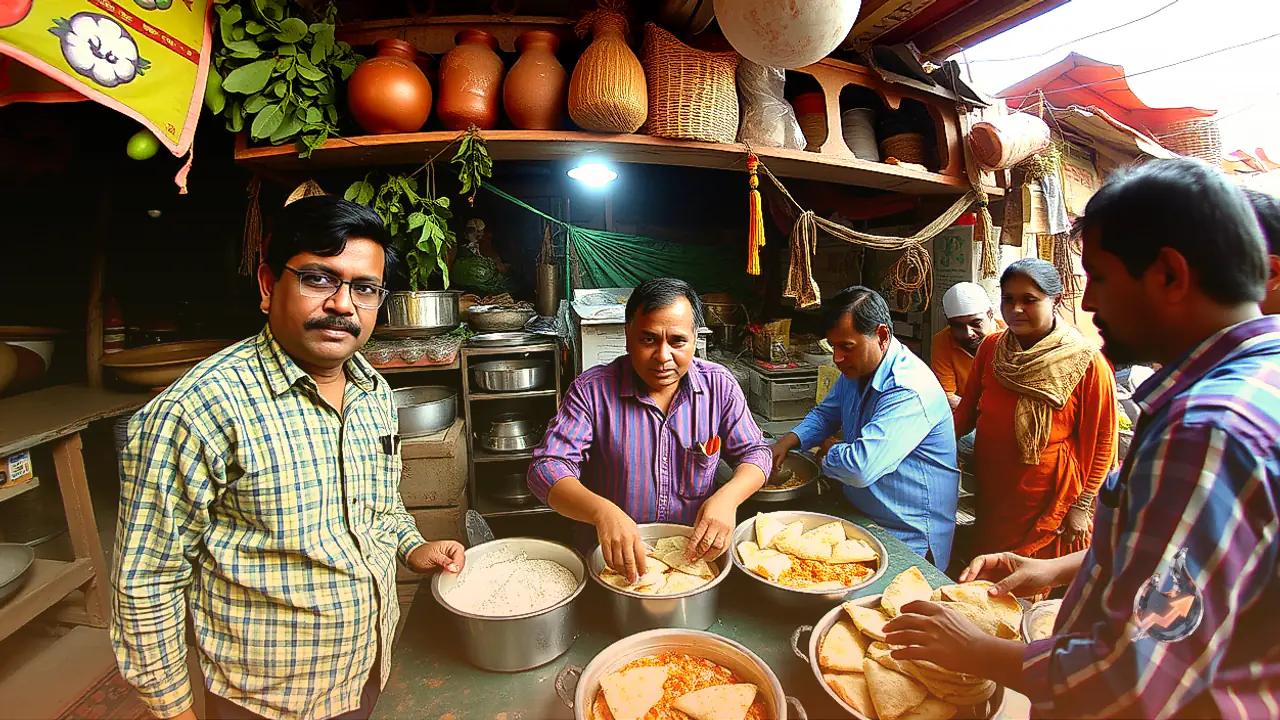




















A crisp crepe paired with sambar and coconut chutney has long been one of India's most dependable food staples. Traditionally enjoyed as a light and digestible morning meal, this classic preparation is increasingly subjected to wild culinary experiments designed to catch attention on digital platforms. A popular video recently captured this shift by imagining how the preparation of dosa transforms between 1995 and 2050, turning an everyday dish into a spectacle of excess.
The Era of Subtle Flavors and Balanced Portions
Back in 1995, the presentation of a dosa remained straightforward and modest. A thin layer of fermented batter was spread over a hot griddle, finished with just a light touch of ghee, and served beside traditional sambar and chutneys. Plain dosa and spiced potato-filled masala dosa dominated consumer demand. The heart of the preparation relied on precise fundamentals rather than heavy garnishes. Rice and black gram were soaked, finely ground, and left to ferment naturally before hitting the hot pan, proving that simple ingredients and proper technique produced the most enduring flavor.
Expanding Varieties and the Rise of Heavy Butter
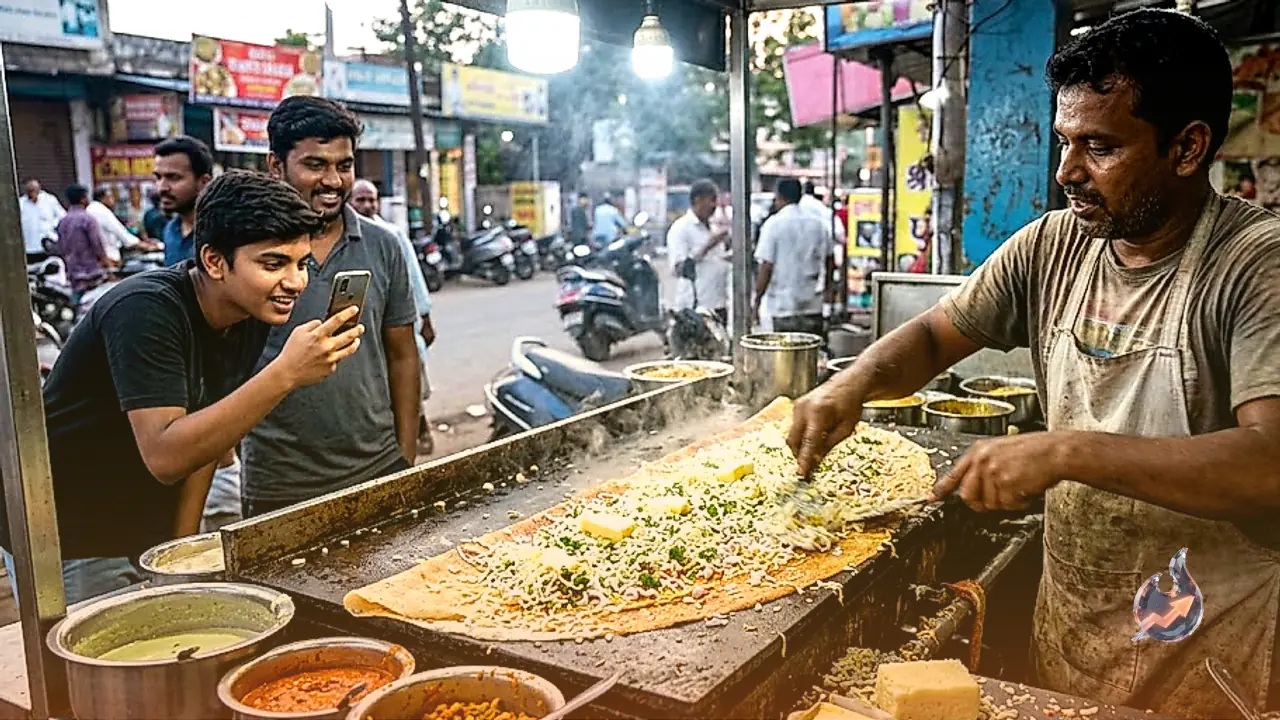
As regional culinary boundaries softened, newer variations found broad acceptance among diners. Variations such as rava dosa, paper dosa, and spongy set dosa expanded standard menus across the country. Eventually, kitchens began experimenting with ingredients like paneer, processed cheese, and Chinese sauces, blending classic textures with modern street-food influences. In recent years, Bengaluru's renowned benne dosa gained widespread attention for its generous inclusion of fresh butter. That distinctive buttery profile has since traveled far beyond southern hubs, establishing a solid presence in dining spots across cities like Delhi and Mumbai.
From Culinary Craft to Digital Content
With visual presentation becoming central to modern dining, traditional cooking methods frequently give way to theatrical plating. The video traces this escalation step by step. Starting with the minimal ghee usage of 1995, it depicts the year 2025 featuring a portion heavy enough to resemble an entire glass of melted fat poured over the griddle. Moving ahead to 2035, the concept pushes further into satire, placing the crisp crepe inside a massive container brimming with liquid ghee.
The 2050 Exaggeration and Online Discussions
By the time the video reaches the year 2050, the scenario escalates to a full swimming pool filled with ghee, with the dosa submerged somewhere deep beneath the surface. While clearly an exaggerated parody rather than a factual projection, the visual effectively critiques the prevalent social media habit where excess is equated with indulgence. Viewers reacted with humor and observation alike. While some playfully imagined dishes like benne scuba ghee podi masala dosa, others raised genuine concerns regarding the excessive use of fat in contemporary street food culture.
Changing Palates Across Generations
This evolving narrative illustrates broader shifts in contemporary dining habits across the country. Even today, a large section of food lovers continues to seek out the classic, crisp, and lightly roasted original version for their daily breakfast. Concurrently, restaurants and roadside vendors introduce unconventional flavor combinations, massive sizes, and visually striking presentations to cater to digital trends. What stood as a testament to understated simplicity in 1995 now frequently doubles as an experimental centerpiece for modern audiences.