





















Baghelkhand's cultural identity extends far beyond its distinctive dialect and folklore, finding deep expression in its time-honored food heritage. Among the region's most enduring culinary staples is mithi bundi, a traditional sweet enjoyed with equal relish across quiet rural hamlets and bustling urban centers. Whether serving festive gatherings, honoring sacred religious rituals, or welcoming guests into family homes, this simple syrup-soaked dessert remains an essential regional staple.
The Method Behind Crafting the Syrup-Soaked Pearls
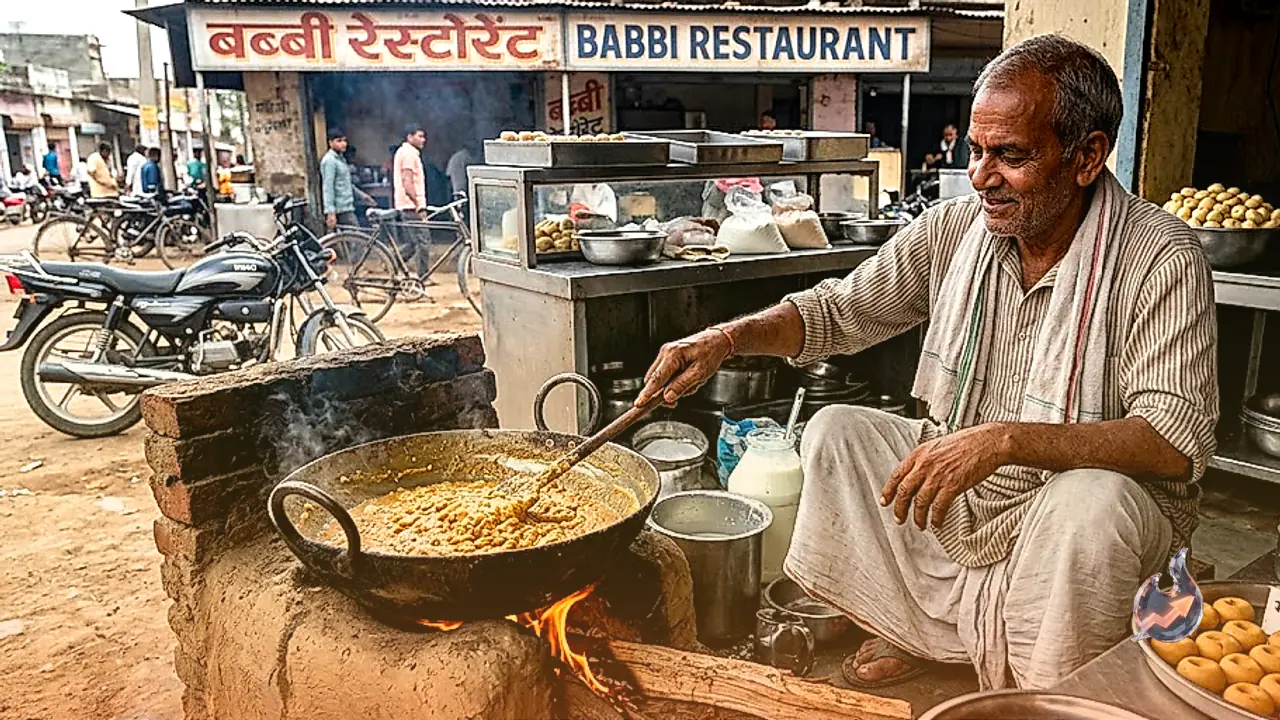
Preparing this traditional delicacy requires classic confectionery techniques and measured timing. The process starts by mixing gram flour with water to create a smooth, runny batter. In a large wok or kadhai, ghee or cooking oil is heated over high flame. Confectioners then pour the batter across a perforated ladle, allowing tiny droplet spheres to fall into the bubbling fat, where they fry into crisp droplets. Simultaneously, a parallel sugar syrup is simmered in a separate vessel, infused with fragrant cardamom and a touch of saffron or food coloring. Once fried, the golden crisp spheres are transferred straight into the warm sugar syrup and allowed to soak for approximately half an hour, absorbing the rich sweetness until they turn tender and juicy.
Three Decades of Confectionery Tradition in Rewa
At the Shilpi Plaza commercial market in the city of Rewa, Bengal Sweets proprietor Pawan Chaurasia has been producing this iconic regional sweet for roughly 30 years. Describing it as an authentic, indigenous sweetmeat of the Baghelkhand region, he highlights its central position in festive occasions, weddings, and hospitality. The confection also holds sacred value as a devotional offering, traditionally distributed as prasad during Satyanarayan Bhagwan religious recitations. At Bengal Sweets, this popular sweet is sold at a rate of ₹200 per kilogram.
The Classic Combination of Sugar and Savory Sev
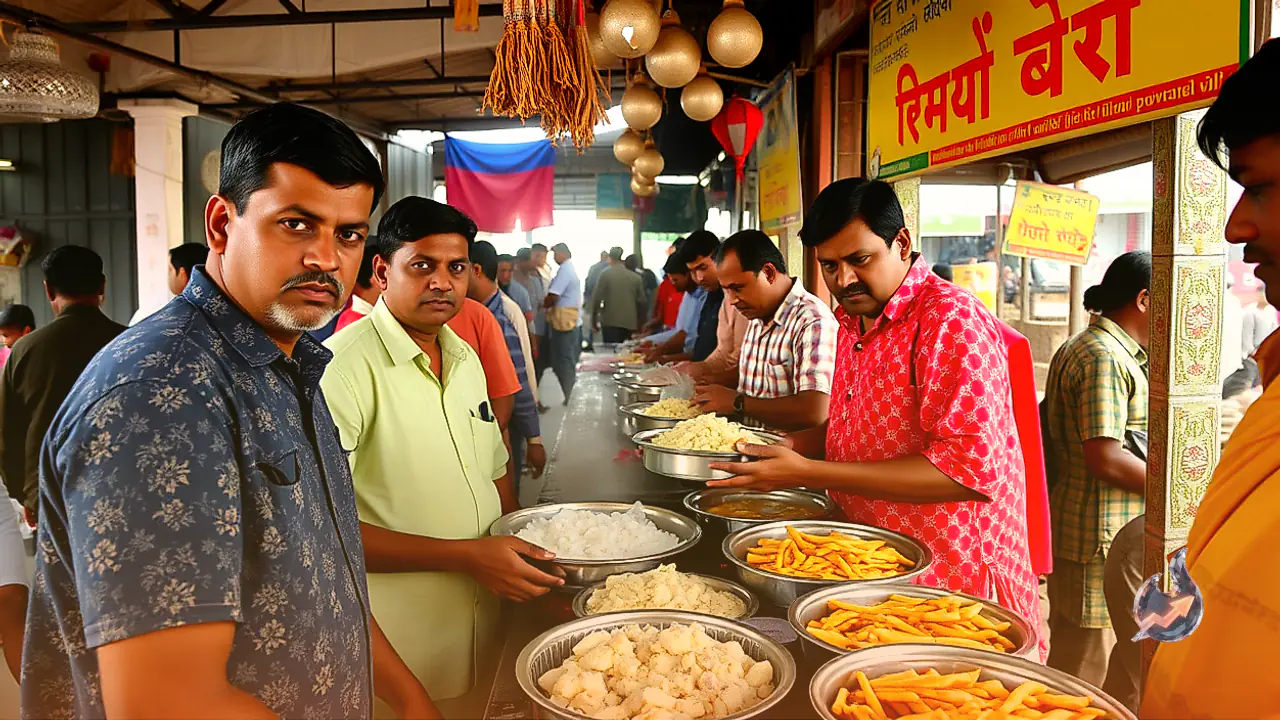
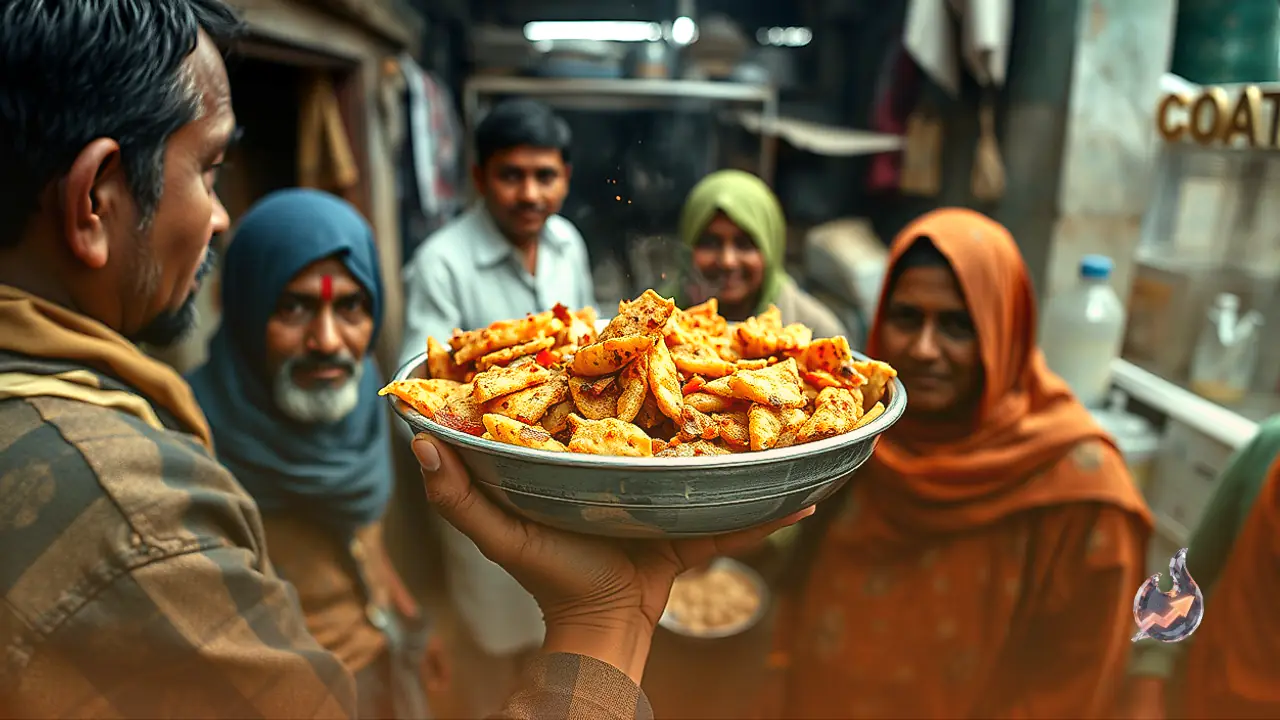
Across Baghelkhand's towns and villages, sweet bundi is widely celebrated for its customary pairing with crisp, spicy besan sev or bhujia. The contrast between sugary syrup and sharp savory crunch makes it a popular breakfast choice on regular mornings and festive days alike. Locals also frequently turn to this dynamic combination during afternoon tea gatherings, making it an enduring fixture of everyday food habits across the region.