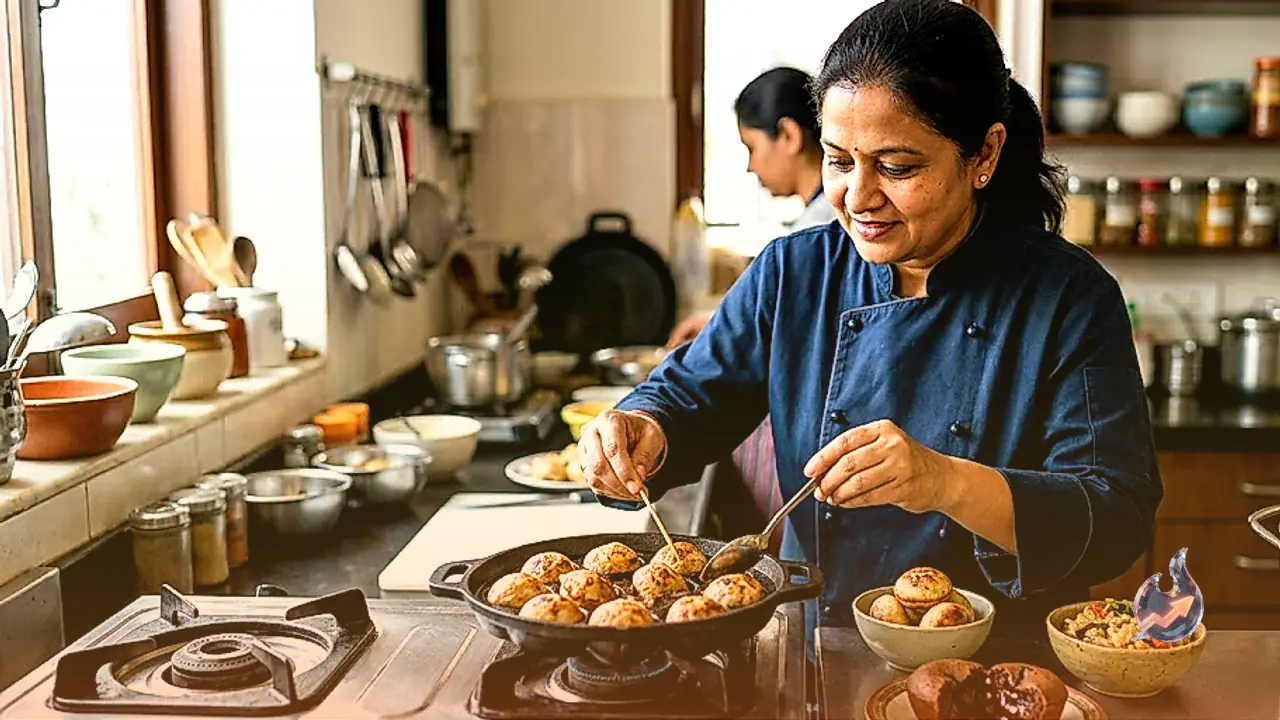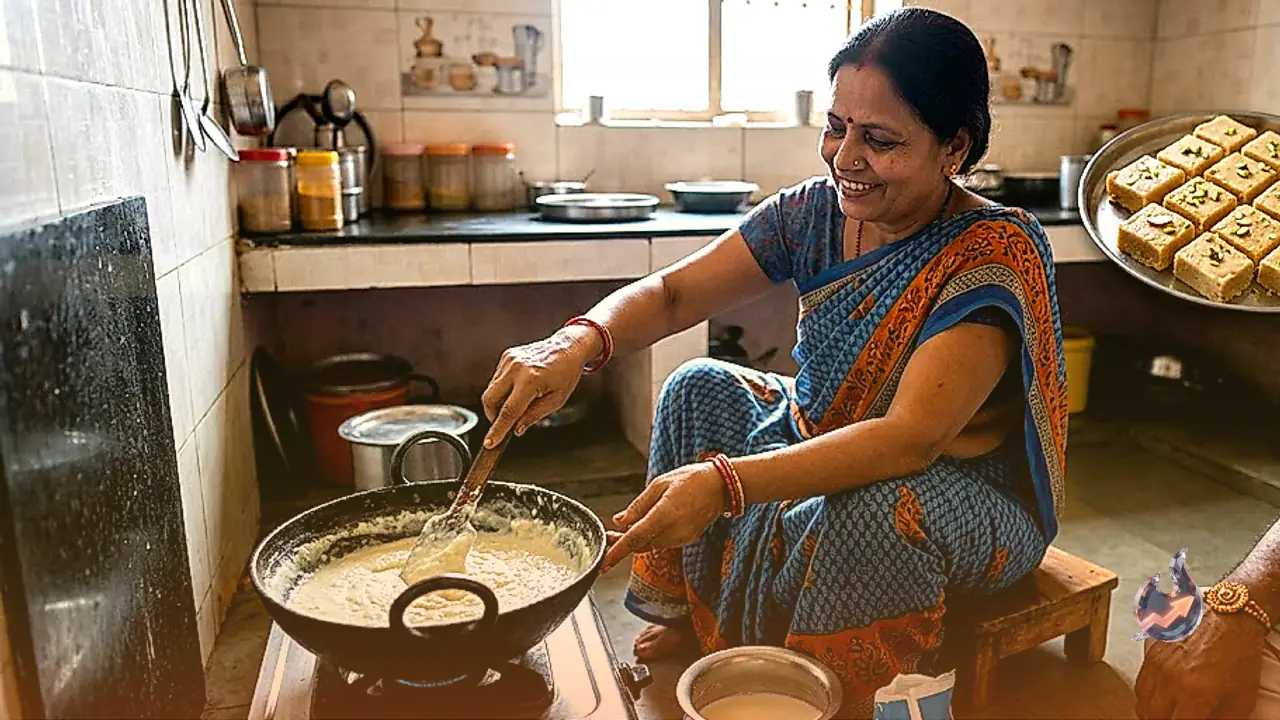






















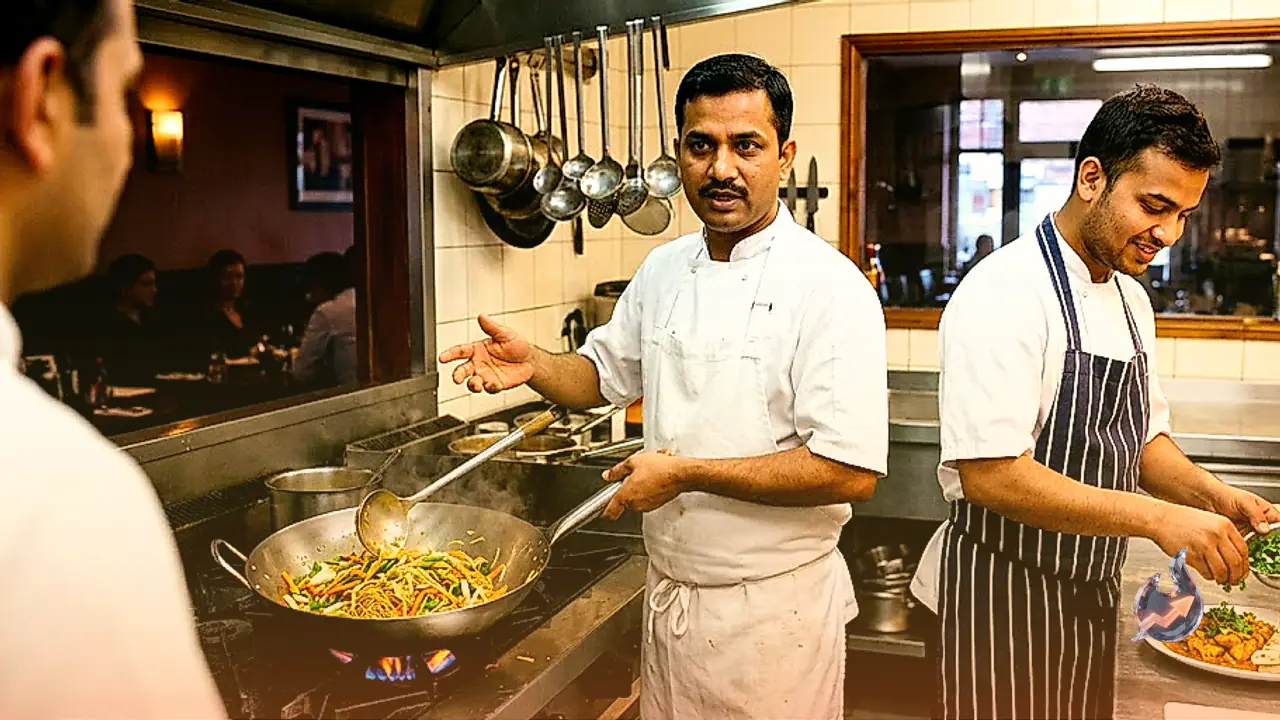

In the Ramnagar area of Mughalsarai within Uttar Pradesh's Chandauli district, dining out at local food establishments has seen a noticeable upsurge. Customers visiting these eateries are no longer focused solely on taste; they are increasingly attentive to how their food is processed and cooked inside restaurant kitchens. An inside evaluation of kitchen operations in Ramnagar reveals a well-organized workflow where raw ingredients, kitchen hygiene, and culinary methods are rigorously maintained to deliver safe and high-quality meals to patrons.
Ingredient Storage and Primary Sanitation Standards
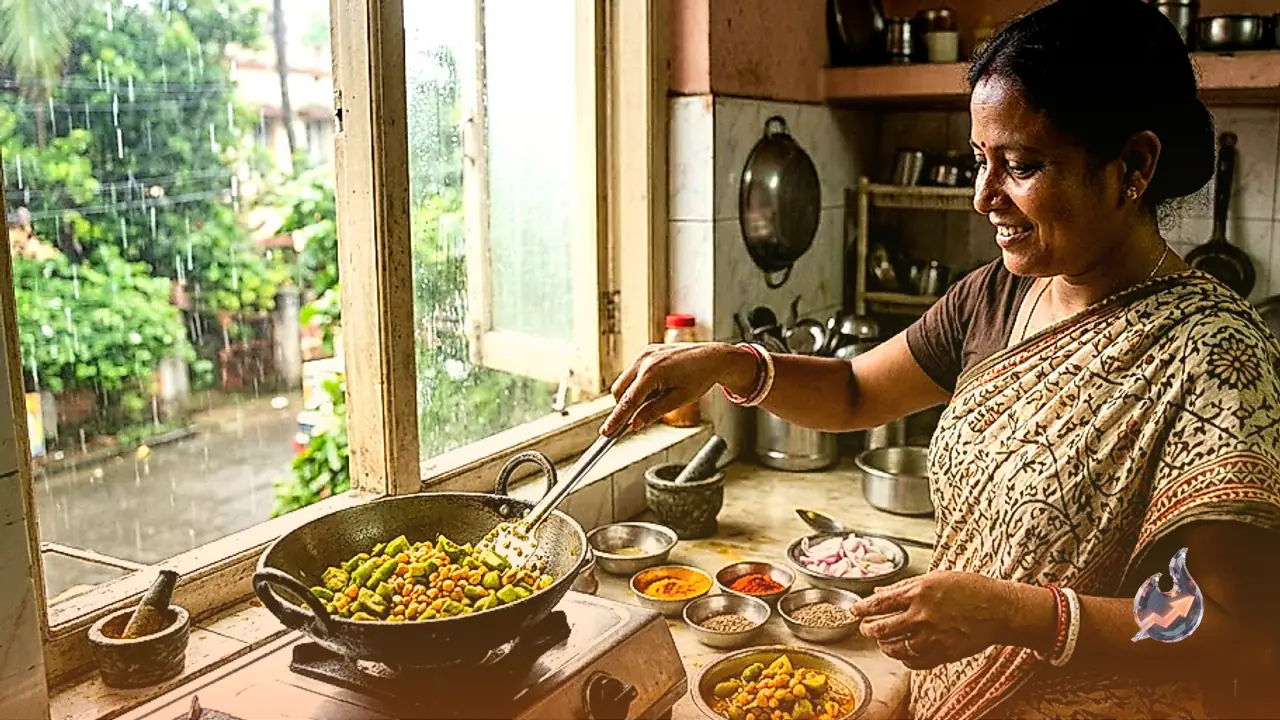
Preparation for the peak evening dining rush begins hours in advance inside the kitchen. To ensure food safety and freshness, raw ingredients are organized systematically across dedicated prep stations. Fresh paneer blocks, neatly chopped green vegetables, lemons, ground spices, and cooking bases are stored separately in clean containers to prevent cross-contamination. Staples such as rice are boiled ahead of time, allowing chefs to quickly complete final dishes as customer orders arrive. Kitchen personnel emphasize that maintaining a tidy prep environment not only speeds up order execution during busy hours but also ensures complete hygiene at every stage of food processing.
Popular Menu Options and Insights from Chef Sanoj Kumar
Chef Sanoj Kumar, who has been working at the establishment for nearly 1 year, shared detailed insights regarding consumer preferences and daily kitchen routines. According to Sanoj Kumar, traditional Indian cuisine remains the top choice among visiting diners, while Chinese items continue to enjoy steady popularity, particularly among younger customers. To cater to diverse tastes, the kitchen offers an extensive vegetarian selection. Among the top-selling items are veg mutton preparations, which command prices up to approximately Rs 300 per portion. Additionally, tandoor-baked items, including traditional tandoori roti, remain highly sought after by patrons looking for authentic Indian meals.
Specialty Soya Chaap Malai and Perspectives from Chef Jitendra Kumar
Chef Jitendra Kumar highlighted the preparation process for Soya Chaap Malai, another leading customer favorite at the restaurant. Jitendra Kumar explained that preparing this specialty dish requires meticulous pre-sorting of ingredients, including fresh cream, marinated soya pieces, and balanced spice mixes. Having these components neatly organized beforehand allows the kitchen team to maintain consistent flavor profiles and serve orders promptly without compromising quality or hygiene standards.
Workflow Management Among 7 Staff Members and Quality Assurance
The daily operation of the restaurant kitchen relies on a team of 7 staff members, each assigned specific roles ranging from gravy preparation and tandoor management to wok cooking and dishwashing. The culinary team notes that authentic Indian dishes generally require slightly more cooking time compared to quick-stir Chinese preparations, as rich Indian gravies demand precise simmer times. Consequently, tasks are prioritized strictly according to incoming orders. When addressing customer feedback, the chefs reported that major complaints regarding food quality are virtually non-existent. Minor observations regarding salt adjustment or specific spice levels are rectified immediately to suit individual guest preferences. Work surfaces, utensils, and cooking vessels undergo regular sanitization, reinforcing a commitment to consumer health and clean dining.