























Across countless households, the evening cup of tea is a cherished ritual to unwind after a demanding day. While some drinkers insist on a brisk, strong brew, others find comfort simply in the soothing aroma of cardamom and freshly crushed ginger. However, drinking the exact same preparation day in and day out can eventually make the palate crave something different. Fortunately, a handful of traditional whole spices already sitting in your kitchen cabinet can completely reinvent an ordinary cup of tea into a deeply satisfying brew.
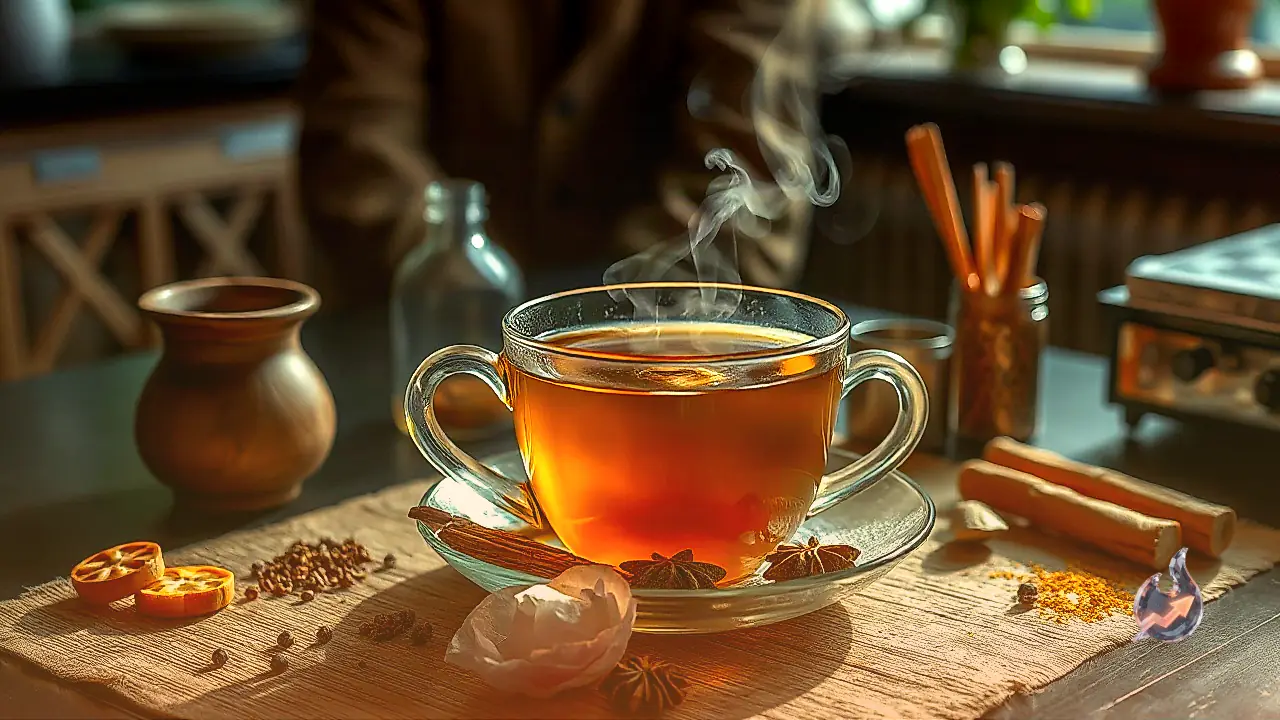
Lately, diverse variations of spiced tea and homemade tea masala formulations have grown increasingly popular. Bringing together dry ginger, fennel seeds, cardamom, cinnamon, and whole black peppercorns produces a fragrant profile that delivers both warmth and a sharp, pleasant kick without overpowering the beverage.
Skip Crushing Fresh Ginger with a Convenient Homemade Blend
For many tea lovers, peeling and pounding fresh ginger root every single time water goes on the stove can feel tedious. Preparing a batch of dry spice blend at home offers an effortless way to bypass that daily chore while retaining deep flavor. In this mix, fresh root is replaced by dried ginger powder or dry ginger chunks, known traditionally as sonth. When balanced alongside green cardamom, sweet fennel seeds, cinnamon, cloves, and whole black pepper, the combination imparts an enticing fragrance and robust spice notes. The resulting brew allows complete control, letting you keep the cup mild or make it exceptionally strong based on personal preference.
How to Prepare and Store Balanced Tea Masala at Home
To craft a well-rounded spice mixture, you can assemble dried ginger, fennel seeds, black peppercorns, green cardamom pods, large black cardamom, cinnamon sticks, whole cloves, and a small grating of nutmeg. Certain family recipes also incorporate dried holy basil leaves for added herbal notes. None of these whole spices require aggressive roasting. Simply warming them gently over low heat is enough to drive off lingering moisture and awaken their natural aromatic oils.
Once the warmed spices cool down completely to room temperature, grind them into a coarse consistency rather than a powdery dust. Coarsely ground spices release their flavors more cleanly into boiling water without leaving a muddy sediment in the cup. Store the finished blend in a clean, airtight glass or metal jar to preserve its essential oils and potent aroma over time.
Why Balancing Spice Proportions Matters
When assembling your blend, it is crucial to remember that spices should not be measured in equal parts. Increasing the proportion of sweet fennel seeds results in a tea that feels aromatic, gentle, and subtly sweet. Conversely, adding heavier hands of black peppercorns and pungent cloves will dramatically boost heat and sharpness, creating a very strong, biting cup. For beginners, grinding a smaller test batch first is the most practical strategy to understand individual taste preferences before committing to a larger quantity.
How Much Masala to Use in a Single Cup
The sequence of preparation plays a significant role in extracting proper flavor. Bringing the spice blend to a boil in plain water before adding tea leaves allows the water to absorb the essential oils fully. Afterwards, regular tea leaves and milk can be added according to your usual routine. Adding excessive spice powder can turn the liquid unpleasantly bitter or intensely peppery, so beginning with just a modest pinch per cup is recommended.
When serving children or family members who prefer gentler flavors, dialing back the cloves and black pepper ensures a soothing drink. Meanwhile, anyone seeking deep aromatic warmth can safely increase the green cardamom and fennel seeds. Modifying these small proportions gives everyday homemade tea a completely distinct character.
Experimenting with Caramelized Sugar for Richer Notes
For tea enthusiasts looking to venture beyond standard masala chai, incorporating caramelized sugar offers another intriguing twist. In this method, granulated sugar is gently melted in the saucepan over mild heat until it takes on a rich golden hue before liquids are poured in. Several regional Rajwadi chai recipes pair this lightly caramelized sugar with cardamom, fennel, cloves, cinnamon, ginger, and strands of saffron. The technique lends the brew an earthy, toasted sweetness alongside an unmistakably royal aroma.
Mind Your Proportions for Daily Consumption
While spiced tea provides an enjoyable break from routine flavors, dumping excessive spices into the pot will not improve the brew. Every whole spice carries its own concentrated potency and heating profile. Starting with conservative pinches is always the wiser approach. Particularly for those who enjoy multiple cups throughout the day, calibrating spice levels to personal taste and digestive comfort ensures the drink remains comforting rather than harsh.