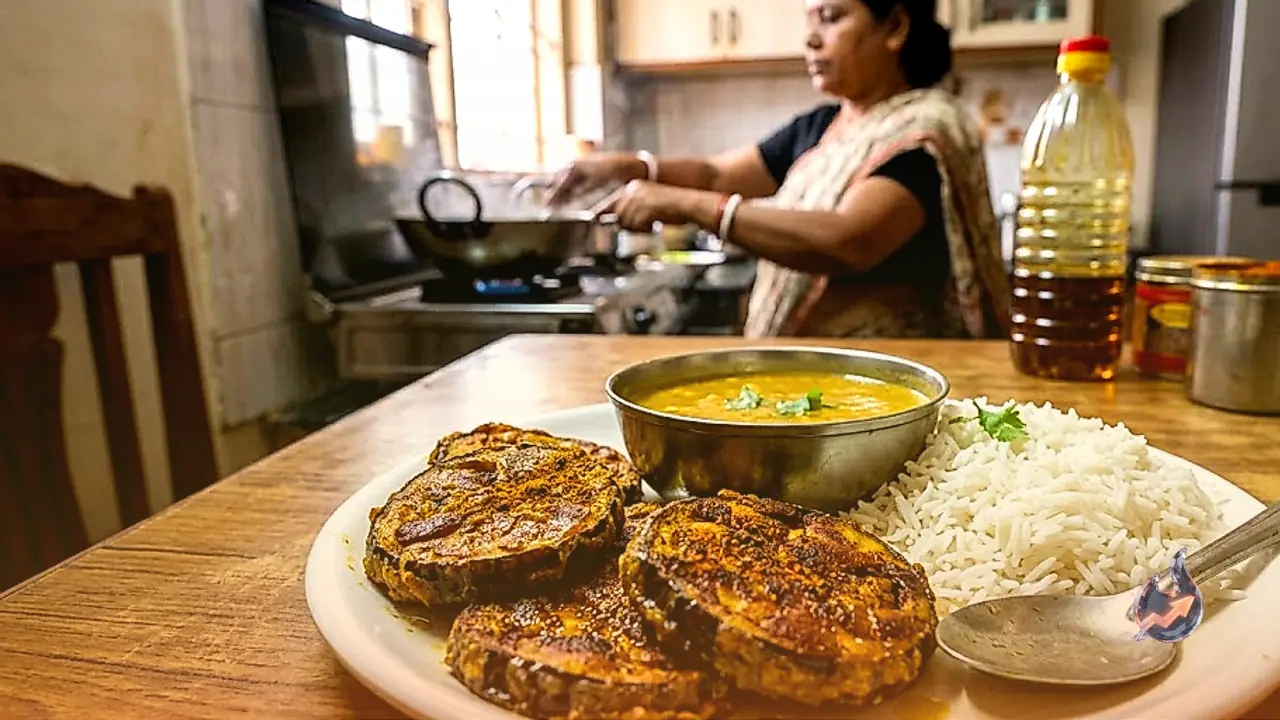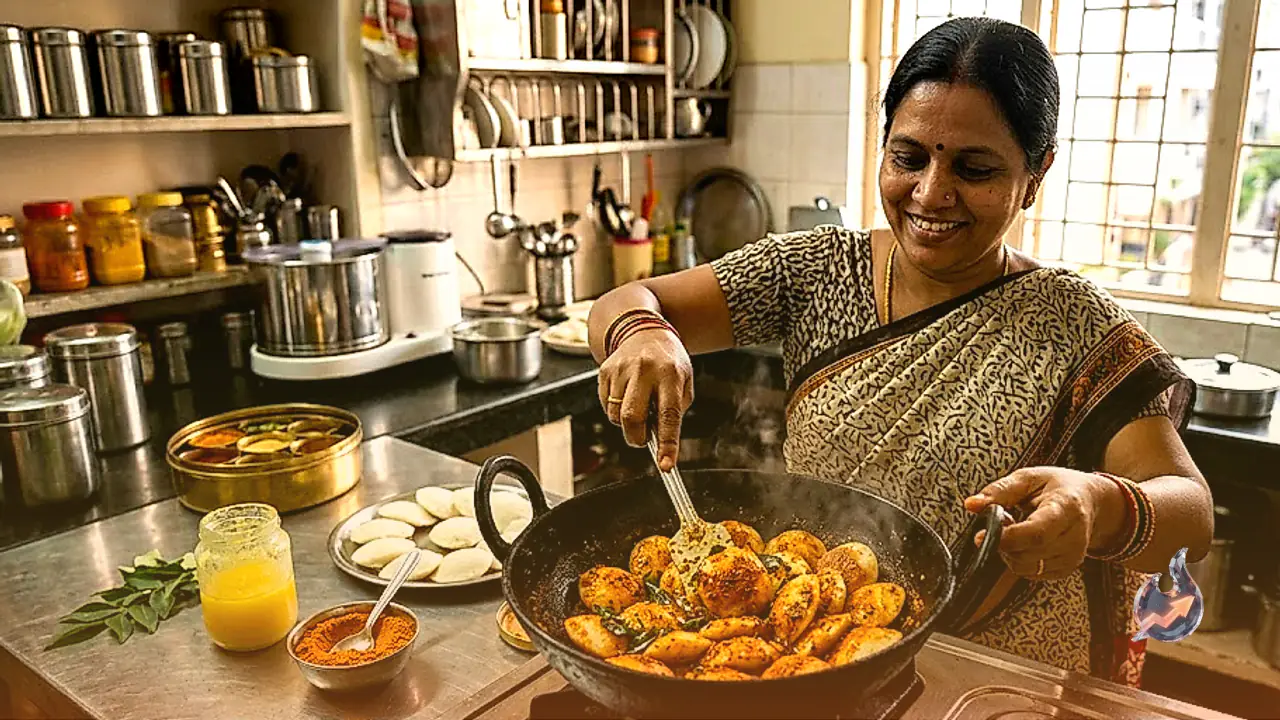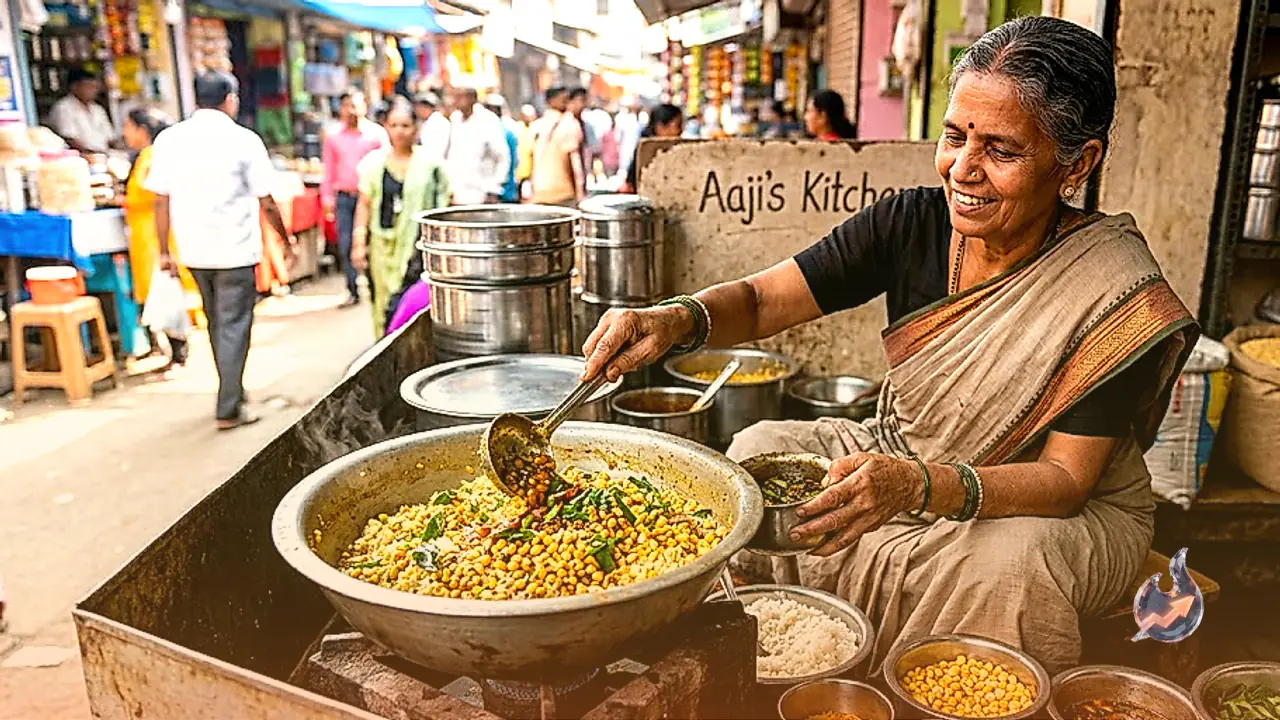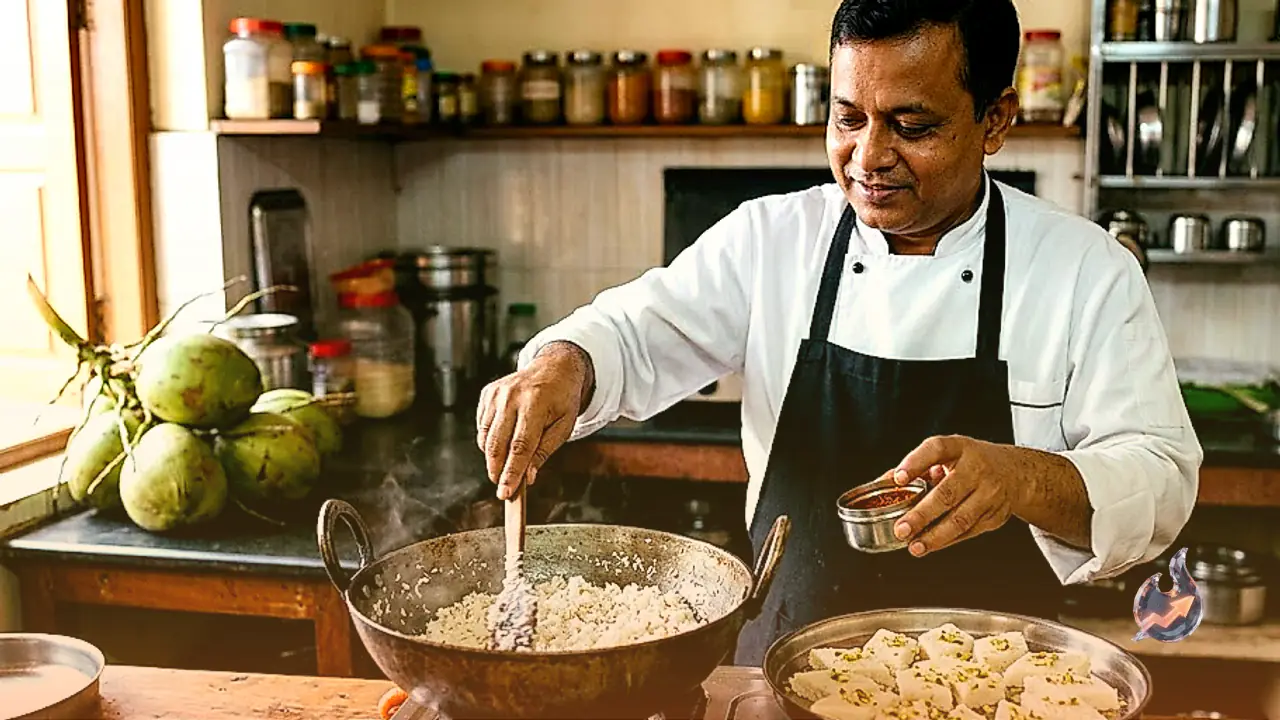























Across Indian households, morning meals commonly revolve around familiar staples such as poha, stuffed parathas, idli, or dhokla. Yet, India's culinary landscape holds far deeper regional traditions where ordinary ingredients are transformed into deeply satisfying local delicacies. Several historic breakfasts, celebrated for distinct cooking techniques and rich textures in their native regions, remain largely overlooked outside their home states. Traditional morning recipes from Himachal Pradesh, Jharkhand, and Chhattisgarh illustrate this remarkable diversity.
Himachal Pradesh's Steamed Winter Specialty Siddu
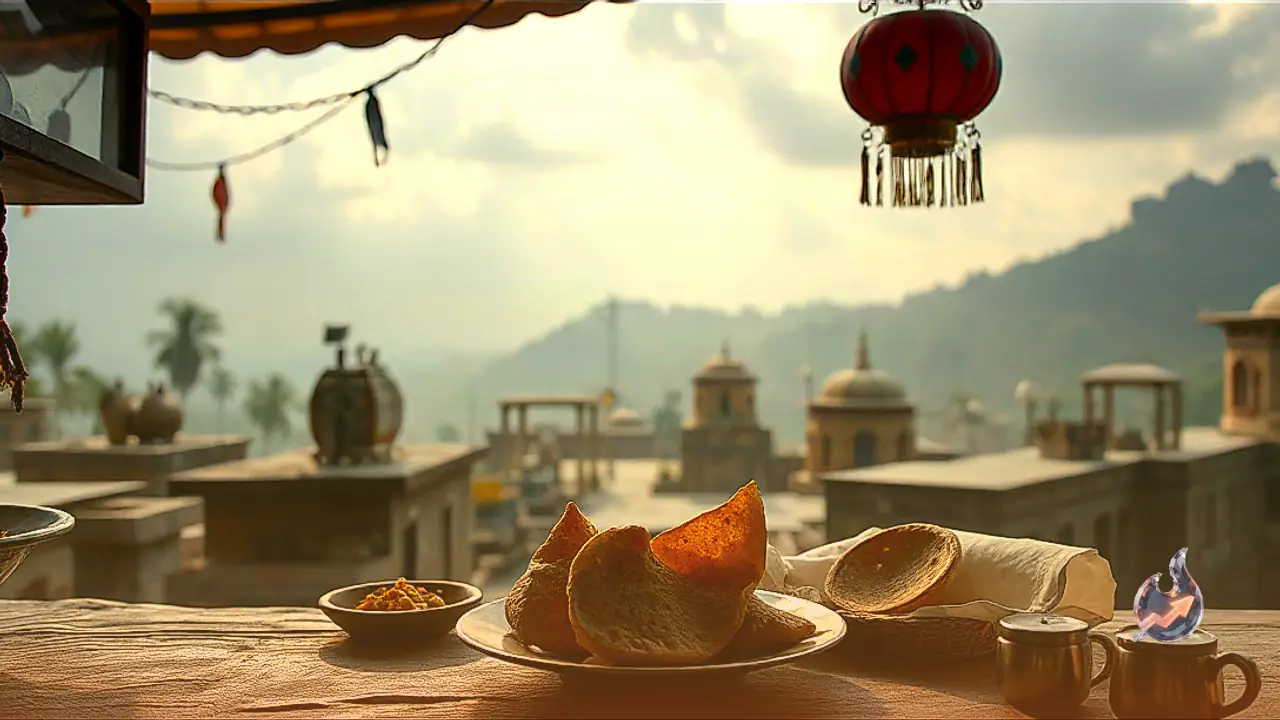
In the mountainous state of Himachal Pradesh, siddu stands out as an integral traditional dish, prepared and cherished especially during cold weather. Outwardly resembling a round, thick flatbread, its true character lies in a savoury stuffed core. Instead of being deep-fried in oil, siddu is cooked entirely with steam, preserving its light and nourishing qualities.
The preparation begins with wheat flour mixed with yeast, salt, and lukewarm water to knead a soft dough. This dough is covered and set aside for some time so fermentation can take place and allow the mixture to rise thoroughly. For the stuffing, cooks make use of walnuts, peanuts, or lentils. Green chillies, fresh coriander leaves, and assorted spices are blended together to create the savoury mixture.
Once the dough has rested and puffed up, small portions are rolled out gently into flat rounds. The filling is spooned directly into the center, and the edges are pulled together and sealed carefully to form a round pocket. This assembled siddu is then placed into a steamer for roughly 15 to 20 minutes. Upon steaming, it is served piping hot, accompanied by a generous drizzle of ghee or alongside lentil preparations and chutneys.
Jharkhand's Savoury Fried Delight Dhuska
In the eastern state of Jharkhand, dhuska remains a beloved traditional morning specialty. Prepared from a combination of rice and split Bengal gram, known locally as chana dal, this dish delivers a contrast of textures, offering a lightly crisp exterior and a tender, soft crumb inside. Traditionally, vendors and home cooks serve it alongside spicy ghughni or tangy chutney.
To make dhuska, raw rice and chana dal are soaked in water for several hours before being ground into a thick, uniform batter. Salt, sliced green chillies, and selected ground spices are folded into the batter according to taste. Meanwhile, cooking oil is brought to temperature in a deep pan, and ladlefuls of batter are poured gently into the hot oil, puffing up like small round patties.
These patties are fried until they develop an appealing golden crust on both sides before being drained. The authentic taste of dhuska peaks when served hot off the stove with a steaming portion of spiced ghughni.
Chhattisgarh's Light and Minimalist Rice Chilar
In central India, Chhattisgarh claims chilar as an essential part of its traditional morning table. Composed entirely of rice, this item visually resembles a thin crepe or delicate dosa. In villages and suburban households alike, it functions both as a morning breakfast and as an uncomplicated light meal throughout the day.
The method involves soaking raw rice in water for a few hours and then grinding it into a fine, smooth paste. Water and salt are stirred into the paste to produce a thin, pourable batter. A flat cooking griddle or skillet is heated and brushed lightly with oil. Using a ladle, the batter is poured onto the hot surface and spread out in a circular motion.
The crepe is cooked on both sides until it takes on a delicate golden tint. The primary appeal of chilar lies in its subtle, clean, and unpretentious taste profile. Diners typically enjoy it paired with fresh chutney, seasonal vegetable dishes, or a bowl of plain curd.
Transforming Everyday Ingredients into Regional Classics
Recipes like siddu, dhuska, and chilar highlight the ingenuity of indigenous Indian cooking methods, spanning fermentation, steaming, and pan-searing. Using common household items like wheat flour, lentils, rice, and nuts, traditional communities crafted culinary identities suited to local climates and daily needs. For anyone seeking a departure from routine morning fare, bringing these regional recipes into home kitchens offers a fresh culinary perspective.