






















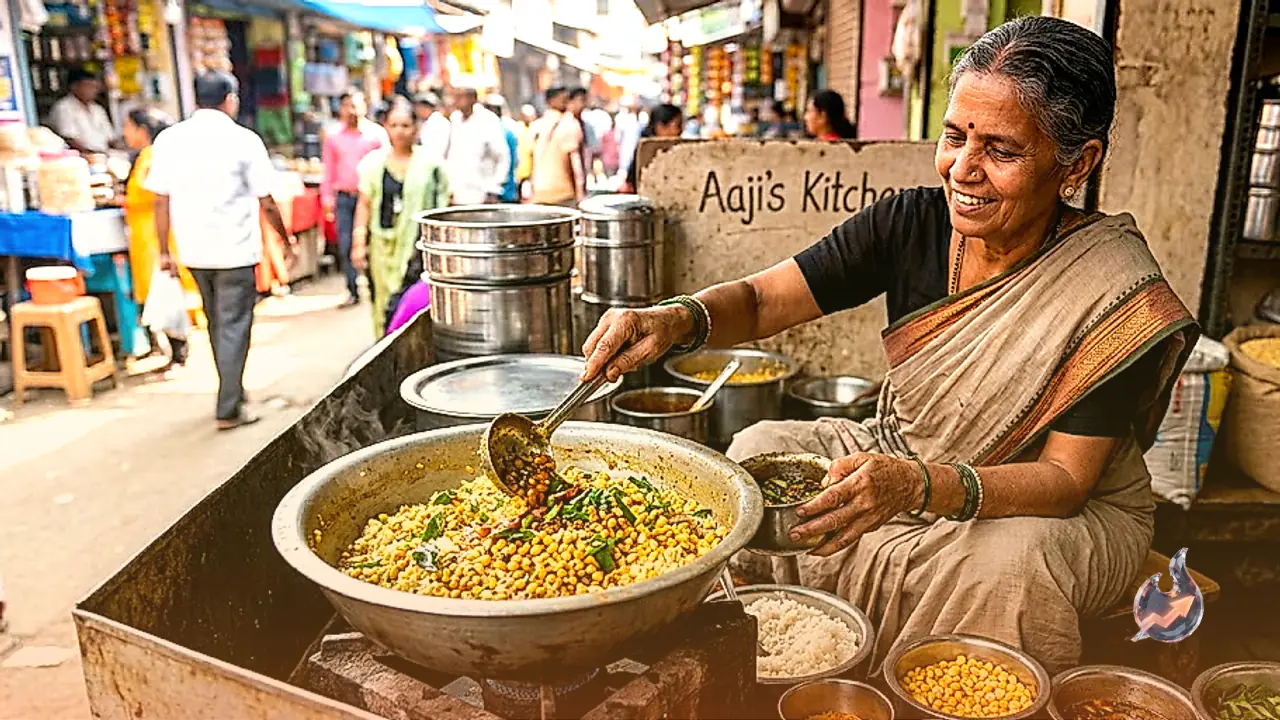

Across the rich culinary landscape of western India, regional home kitchens harbor extraordinary heirloom recipes that rarely feature on mainstream restaurant menus. One such remarkable creation originating from the cultural heartland of Kolhapur in Maharashtra is known as Ravan Bhat. While the striking name might instantly evoke thoughts of the mythological king from the Ramayana, the dish itself is a peaceful, deeply comforting culinary preparation where simple everyday pantry ingredients come together with exceptional harmony. Centered around cooked white rice and hearty split Bengal gram, this regional preparation relies entirely on the artistry of traditional Indian tempering rather than extensive arrays of vegetables or heavy meat stocks.
A Symphony of Spices Free from Onion and Garlic
In most everyday rice preparations like restaurant-style pulao, biryani, or spiced fried rice, chopped onions and minced garlic serve as the essential savory bedrock. In contrast, Ravan Bhat achieves remarkable aromatic depth without relying on either of these pungent staples. Instead, the recipe depends on a precise, time-tested combination of whole spices bloomed in smoking oil. The fragrance starts with black mustard seeds popping in the pan, quickly followed by whole cumin, fiery dry red chillies, fragrant fresh curry leaves, and an indispensable pinch of robust asafoetida. When these elements release their volatile essential oils into the cooking medium, they create a savory, complex foundation that coats every grain of dal and rice thoroughly.
The Textural Role of Chana Dal
What firmly distinguishes this delicacy from ordinary seasoned rice is the deliberate inclusion of split chickpeas, known locally as chana dal. Before cooking, the dry lentils are rinsed and submerged in clean water for two to three hours. This careful soaking allows moisture to penetrate deep into the pulses, softening their density while ensuring they preserve their structural integrity during subsequent sautéing. When cooked alongside the tempered spices, the lentils turn tender to the bite yet never collapse into mush. This intentional bite provides a delightful textural contrast against the soft, tender rice grains, making every mouthful dynamic and satisfying.
Tart Tamarind Balancing Fiery Undertones
The flavor profile of Ravan Bhat is punctuated by a bright, refreshing sourness derived from pure tamarind pulp or extracted tamarind water. Added toward the end of the dal cooking phase, the tamarind liquid glazes each grain of lentil, providing a punchy tang that cuts through the starch of the grain. Ground red chilli powder and whole dried chillies provide heat, which works in unison with the natural acidity of the tamarind. This balanced sweet-and-sour piquancy ensures that despite using a minimal grocery list, the finished dish feels rich, layered, and delightfully vibrant on the palate.
Pantry Ingredients and Preliminary Steps
Preparing this authentic Maharashtrian specialty requires no exotic ingredients, relying entirely on everyday kitchen essentials. The primary foundation consists of previously boiled long-grain or medium-grain rice and split Bengal gram. For the aromatic tempering, keep handy cooking oil, black mustard seeds, cumin seeds, dried whole red chillies, fresh sprigs of curry leaves, asafoetida, fine red chilli powder, and regular salt. To infuse the signature sour finish and fresh aroma, gather concentrated tamarind pulp and freshly chopped coriander leaves. For additional textural delight, many households incorporate toasted peanuts, while coastal variations sometimes introduce a final garnish of finely grated dry coconut. Quantities of these condiments can be adjusted easily according to personal palate preferences.
The cooking journey begins by thoroughly washing the chana dal and leaving it to rest in a bowl of fresh water for approximately 2 to 3 hours. Once the pulses have absorbed adequate liquid, drain all surplus water through a mesh strainer. In parallel, prepare the rice using standard stovetop boiling or steaming methods, ensuring that the grains remain firm, distinct, and fully separated. Overcooking the rice into a sticky clump will ruin the visual appeal and individual texture of the final dish, making grain separation an essential detail to observe.
Step-by-Step Cooking and Tempering Technique
To assemble the dish, set a wide, heavy-bottomed skillet or pan over medium heat and warm a generous splash of cooking oil. As the oil reaches temperature, add the mustard seeds and allow them to crackle vigorously. Immediately follow with the cumin seeds, whole red chillies, fresh curry leaves, and a fragrant dash of asafoetida. Once the spices bloom and perfume the kitchen, introduce the soaked and drained split chickpeas into the hot oil. Season immediately with salt and red chilli powder to taste. Sauté the lentils gently, allowing them to absorb the aromatic fat; if they remain somewhat firm, sprinkle a few tablespoons of warm water over the pan and cover with a lid to steam. As soon as the dal turns tender while maintaining its definitive shape, pour in the prepared tamarind water and stir gently.
Gentle Incorporation of the Rice
With the seasoned lentil base fully rendered, it is time to combine the cooked rice into the skillet. Care and patience are vital during this phase. Instead of stirring vigorously in rapid circles, use a broad flat spatula to gently fold the rice from the bottom upward. Rough mixing risks crushing the delicate cooked grains and rendering the preparation pasty. Once every white grain is uniformly coated in the golden-red hue of the tamarind and dal mixture, cover the skillet with a secure lid and allow it to sit over the lowest flame for two to three minutes. This gentle steaming period allows the sour and savory notes to infuse deeply into the rice. Finally, sprinkle freshly chopped cilantro over the surface and extinguish the heat.
Repurposing Leftovers into a Quick Meal
One of the most practical virtues of this rustic dish is that it does not mandate fresh batches of freshly steamed rice. Plain leftover rice from a previous evening or afternoon meal stored properly inside a refrigerator functions perfectly for this recipe. In fact, chilled leftover rice often retains firmer grain structures, making it less prone to breaking during folding. When utilizing refrigerated rice, ensure that it was chilled promptly and not left exposed at room temperature for extended periods. Once added to the tempered lentils, allow the chilled rice sufficient time under the covered lid to warm thoroughly before serving.
Serving Suggestions and Accompaniments
Thanks to its robust seasonings, Ravan Bhat stands proudly on its own as a wholesome one-pot meal requiring no accompanying curries or heavy gravies. However, pairing it with chilled plain curd, spiced buttermilk, roasted papad, or traditional mango pickle elevates the dining experience. A sprinkling of roasted peanuts across the top provides a pleasant nutty crunch that complements the soft rice and firm dal. While those who consume alliums may enjoy garnishing their plate with raw sliced onions, savoring this traditional dish in its original, pure form allows one to appreciate the heritage flavors of regional Maharashtra.