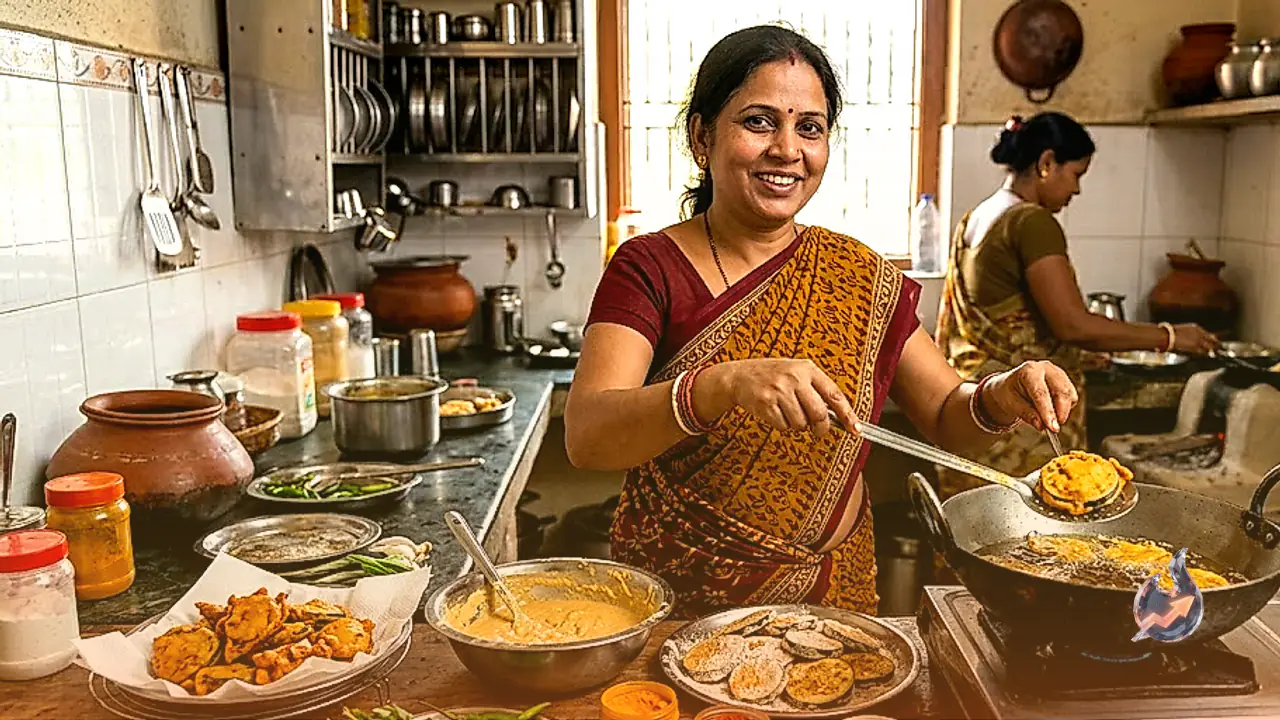
























Aubergine often divides opinion at the dining table, with many diners frequently turning down routine preparations. However, changing the cooking technique can completely alter its appeal, turning an everyday vegetable into a standout side dish. A properly executed baingan bhaja, boasting a crisp golden crust while keeping the interior meltingly tender, offers an easy way to elevate a humble meal into something truly satisfying with minimal ingredients and preparation time.
Choosing The Right Aubergine And Slicing Technique
Preparing this regional classic begins with picking a round variety of aubergine, often referred to in several markets as bhanta baingan. The vegetable is first washed thoroughly under clean water to remove any surface impurities. Slicing requires careful attention to thickness; cutting the pieces too thinly causes them to disintegrate or turn soggy during cooking. Maintaining a moderately thick, round cut ensures each slice retains its structural integrity and texture throughout the frying process. Once cut, the circular pieces are laid out across a broad plate.
Spice Layering And The Marination Stage
Flavouring the sliced rounds relies on basic kitchen cupboard spices. Salt, turmeric, standard red chilli powder, a touch of Kashmiri red chilli powder for colour, and garam masala are sprinkled across the aubergine pieces. It is vital to rub the spice blend evenly over every slice, making sure both sides receive a uniform coat. Once coated, the spiced rounds are left to rest for roughly 10 to 15 minutes. This resting interval allows the moisture from the vegetable to draw the seasoning deep into the flesh, ensuring balanced flavour in every bite.
Frying In Pungent Mustard Oil
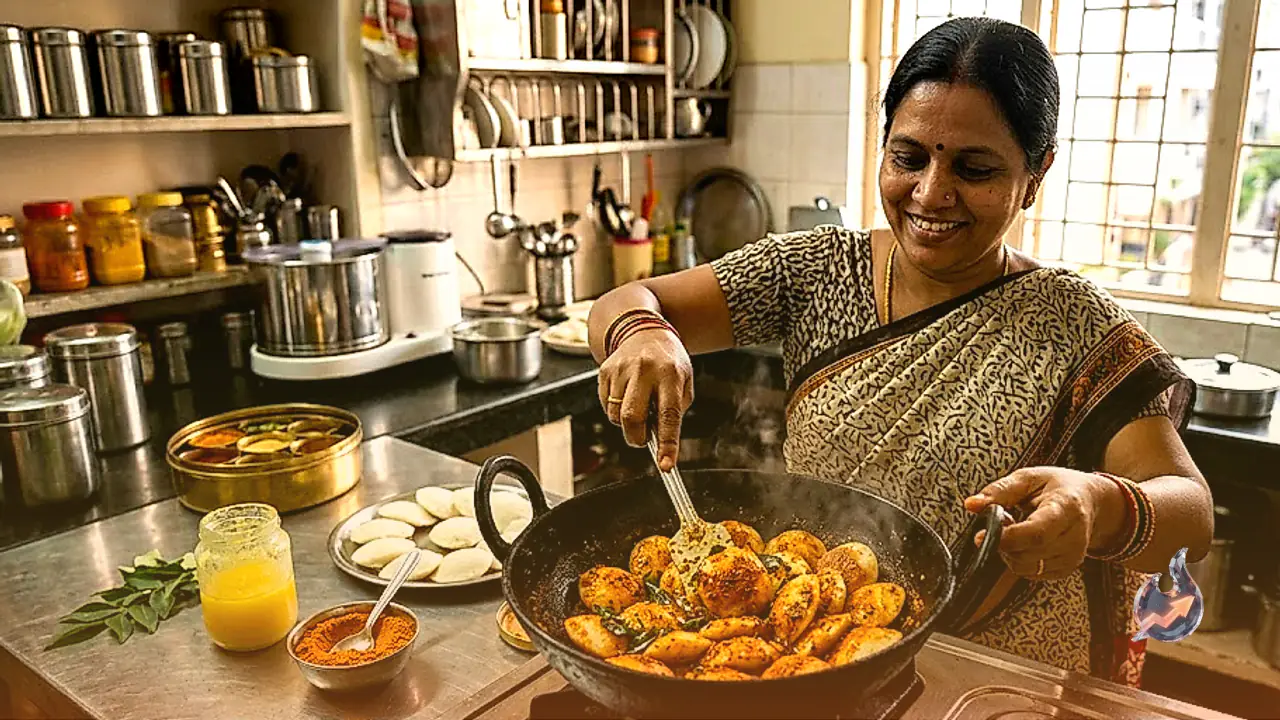
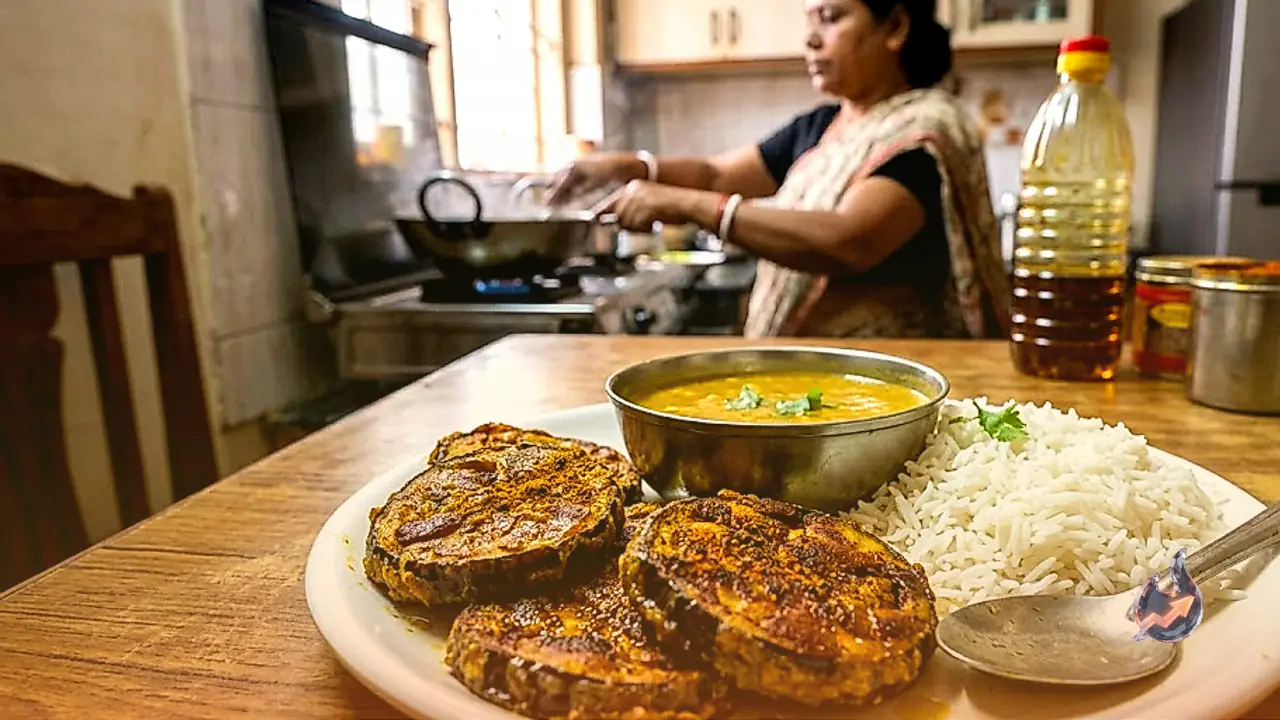
Once the marination period finishes, a pan or kadhai is placed over heat and filled with an adequate amount of mustard oil. The pungent aroma of hot mustard oil provides the characteristic regional foundation required for this preparation. When the oil reaches proper cooking temperature, the spiced aubergine rounds are gently placed into the pan. Frying takes place over a steady low to medium flame, with regular flipping to ensure uniform cooking across both sides. Within 10 to 12 minutes, the exterior deepens into an attractive golden hue with distinct crispy edges.
Serving Pairings And Fresh Finishing Touches
The cooking process finishes when the exterior turns nicely crisp while the centre remains soft and thoroughly cooked, at which point the slices are transferred onto a serving plate. Served piping hot, this fried aubergine pairs naturally with steaming bowls of dal and plain rice, alongside freshly puffed rotis or flaky parathas. Scattering a pinch of finely chopped fresh coriander over the hot slices right before serving enhances both visual appeal and aromatic freshness. Requiring neither elaborate equipment nor lengthy prep work, this approach delivers a rich dining experience straight from everyday home ingredients.