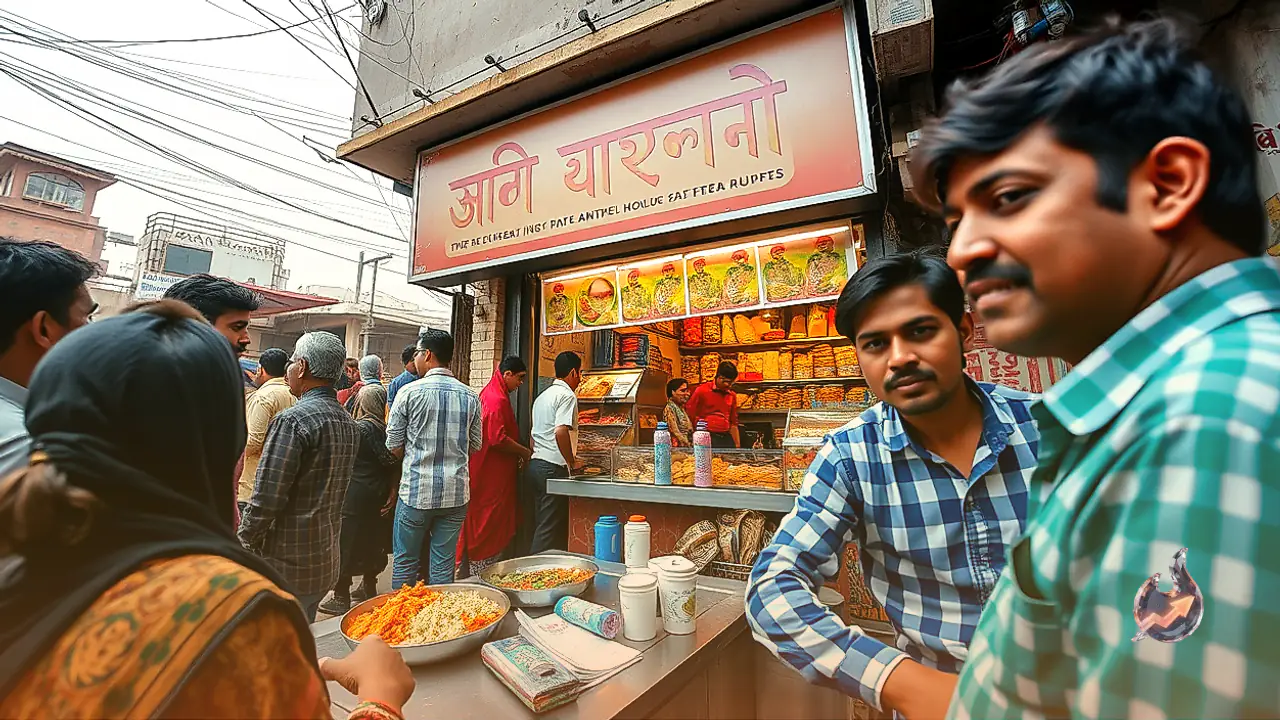






















The historical city of Burhanpur and the surrounding Nimar region in Madhya Pradesh hold a rich culinary legacy known for traditional snacks that are both flavorful and durable. Among these regional favorites, methi muthiya stands out as a staple prepared in countless households. During the monsoon season, when cool showers arrive, serving these freshly fried snacks alongside hot cups of tea is an enduring tradition across local families.
Essential Ingredients for the Mixture
Preparing this authentic snack does not require specialized culinary items, as all base ingredients are commonly found in household pantries. The primary foundation consists of gram flour (besan), coarsely ground wheat flour, and fresh fenugreek greens. To impart distinct regional seasoning, the recipe incorporates cumin seeds, coriander, crushed green chili paste, salt adjusted to taste, and cooking oil for deep frying.
Step-by-Step Preparation and Frying Method
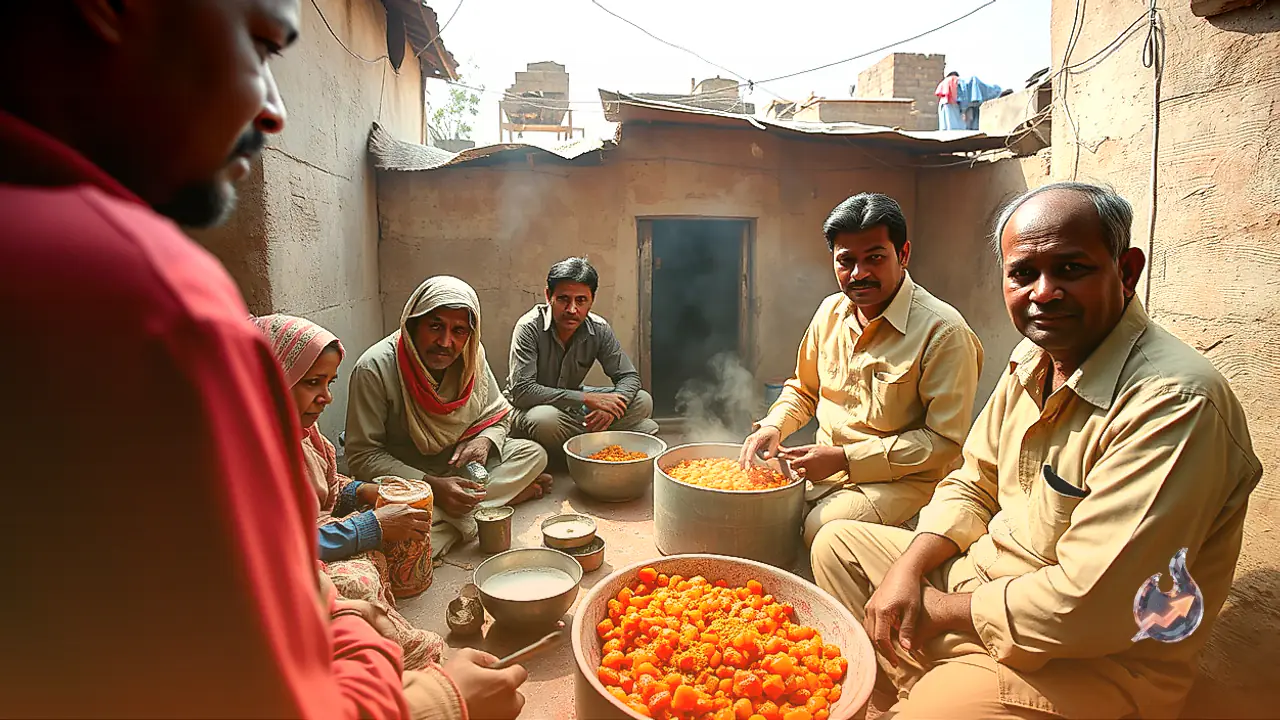
The preparation begins by thoroughly sorting, rinsing, and finely chopping the fresh fenugreek leaves. In a large mixing bowl, the chopped fenugreek is combined with the gram flour and coarse wheat flour. The cumin, coriander, green chili paste, and salt are added directly to this dry blend to distribute the flavors evenly.
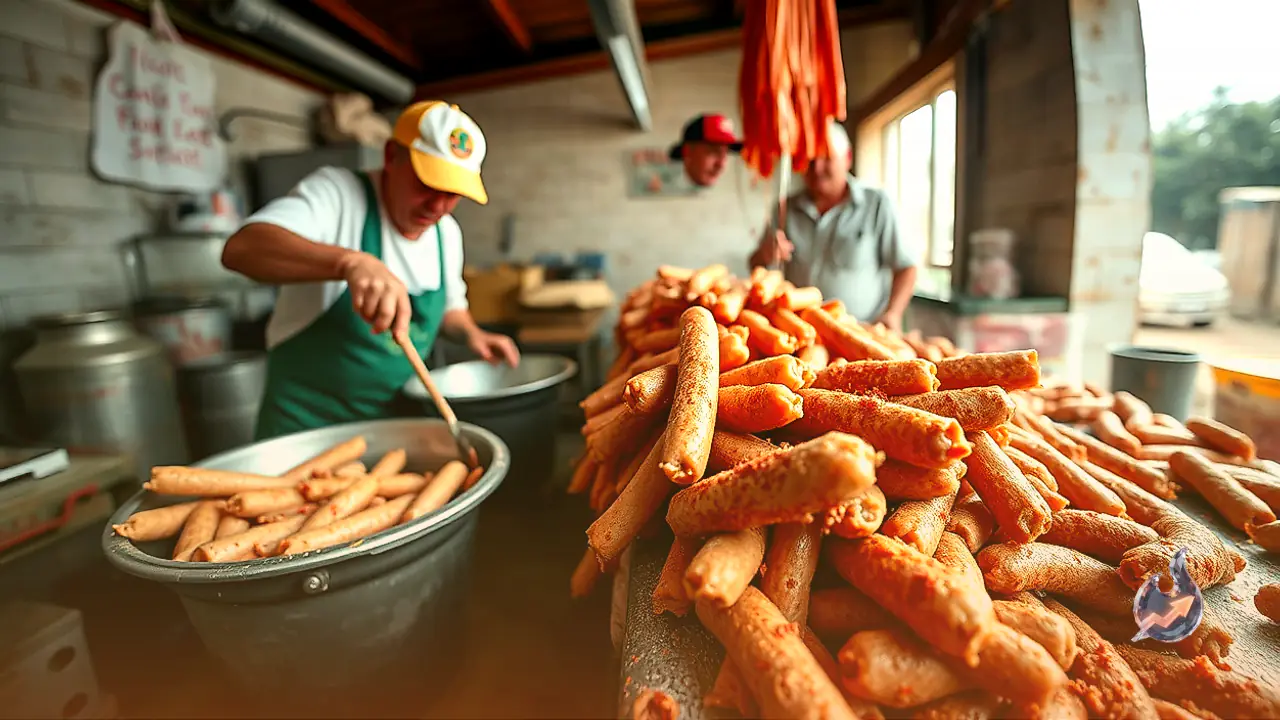
Next, a measured amount of water is gradually mixed in to bind the ingredients into a dense dough. Once the mixture reaches the desired consistency, small portions are shaped by pressing the dough between the fingers and palms into characteristic cylindrical muthiya pieces. Meanwhile, cooking oil is heated in a pan over medium heat. The shaped pieces are submerged in hot oil and gently fried until they turn evenly golden brown and crisp on the outside, after which they are removed and drained.
Extended Shelf Life and Serving Suggestions
A notable feature of this culinary specialty is its impressive shelf life. When fried thoroughly and stored under dry, airtight conditions, these snacks remain fresh and flavorful for multiple days without spoiling. This quality makes them an ideal staple to prepare in advance during wet monsoon stretches. They are traditionally served hot alongside freshly brewed tea, spicy green chutney, or any preferred dipping sauce, preserving a cherished taste of Nimar tradition.