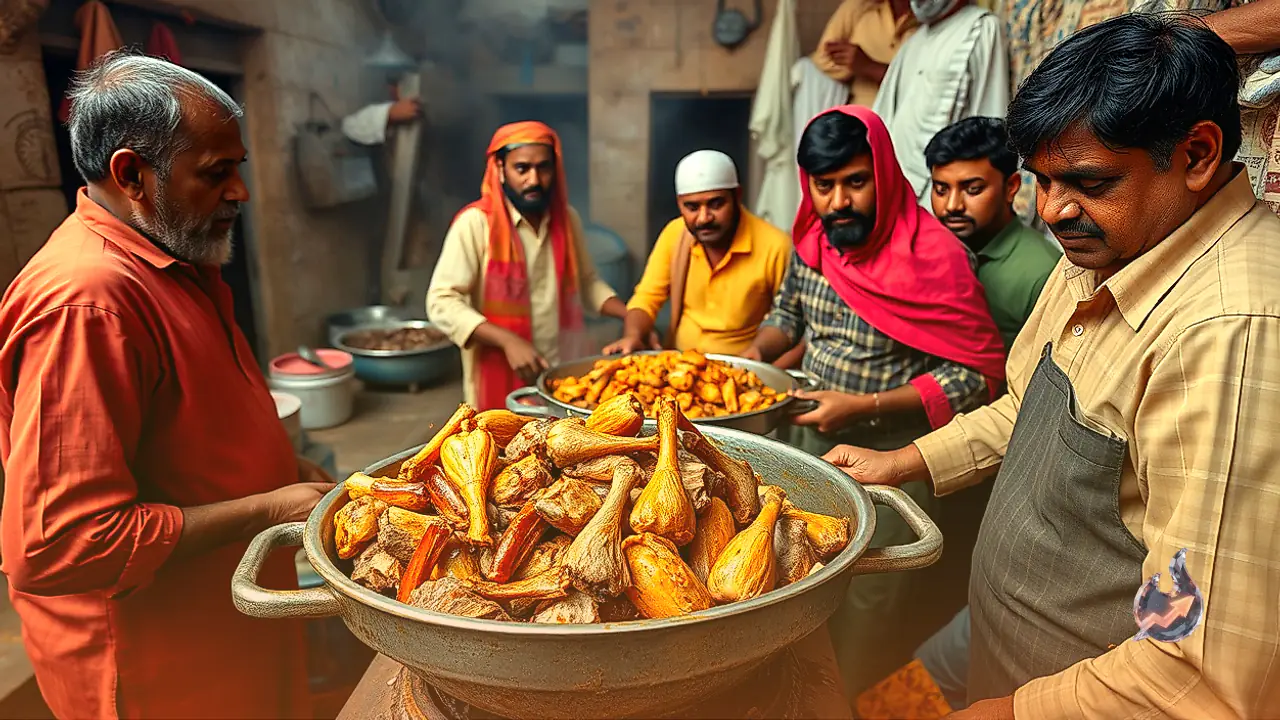





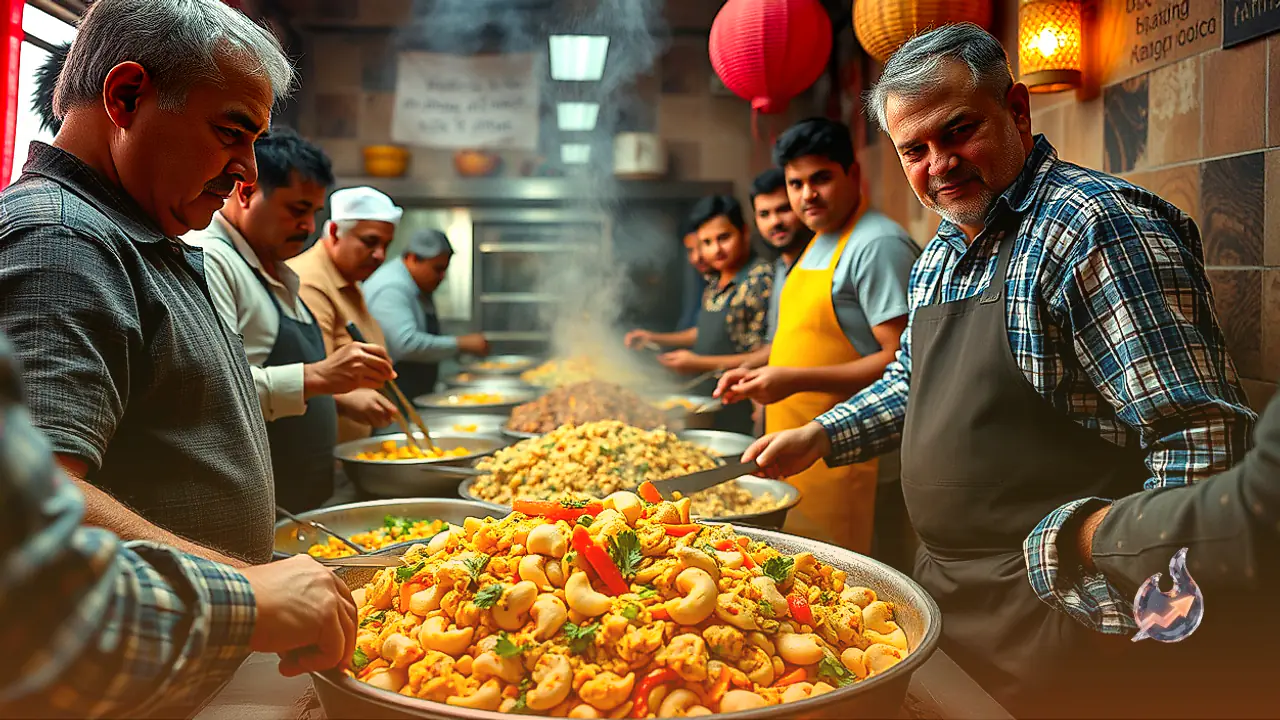

















For non-vegetarian food enthusiasts, routine meals frequently revolve around standard curries, thick gravies, or basic masala dishes. Eating identical preparations week after week often leads to menu fatigue, leaving diners searching for something genuinely distinctive yet comforting. Rich, velvety, and laced with an authentic charcoal aroma, Chicken Barra serves as an ideal upgrade to regular dinner spreads. Crafting this restaurant favorite does not require rare commercial ingredients or complicated setups; common domestic spices and dairy staples are all it takes. Bahraich-based culinary artisan Ahmad Aziz Baig shares the complete technique for perfecting this specialty at home.
Selecting the Cuts and Crafting the Marinade
The foundation of this delicacy begins with picking the right poultry pieces. Ahmad Aziz points out that bone-in chicken cuts are especially suited for Chicken Barra because they retain tenderness throughout intense heat. To start, take half a kilogram of chicken and rinse it thoroughly under clean water. The cleaned pieces are then transferred to a large bowl and mixed with curd, fresh dairy cream, and freshly ground ginger-garlic paste. To introduce warmth and tang, incorporate red chili powder, garam masala, zesty chaat masala, and a splash of fresh lemon juice.
A drizzle of mustard oil alongside fried onion paste brings depth and an earthy undertone to the coating. Every piece must be rubbed thoroughly so the marinade adheres evenly across the entire surface. Ahmad Aziz advises covering the seasoned bowl and allowing it to rest for at least thirty to sixty minutes. This resting phase gives the acid and spices sufficient time to permeate deep into the meat fibers, ensuring each bite remains intensely juicy when cooked.
Pan Searing and Imparting the Smoky Flame Finish
Once the marination window finishes, the cooking steps unfold in two distinct stages. Heat a modest amount of butter in a wide pan and arrange the coated chicken pieces across the base. Sear both sides until they develop an appetizing light golden crust. While pan searing locks in moisture, replicating a true roadside or dhaba experience requires an open flame treatment.
Transfer the seared pieces onto a sturdy wire rack placed directly over a domestic gas flame or a burning charcoal sigri. Baste the chicken continuously with melted butter while turning the pieces over the open fire. This direct heat interaction creates delicate char marks and infuses the characteristic rustic smokiness associated with tandoori preparations. Maintaining a controlled flame is essential here to prevent scorching the exterior before the heat penetrates inward.
Assembling the Cream Sauce and Mastering Temperature Control
With the roasting completed, the finishing sauce comes together rapidly in the same skillet. Melt another dollop of butter over low heat, pouring in the leftover marinade remnants along with extra fresh cream and crushed dried fenugreek leaves. Cook this blend gently for approximately two minutes until a cohesive, silky gravy forms. The charred chicken pieces are then reintroduced to the pan and tossed vigorously until the luxurious sauce blankets every portion.
Ahmad Aziz emphasizes that temperature regulation is the single most critical factor in Chicken Barra. According to him, cooking over a gentle, steady flame protects the meat from blackening or burning prematurely. Once the chicken turns thoroughly tender, a final garnish of Amul butter, rich cream, and chaat masala completes the presentation. The entire process wraps up within thirty to forty-five minutes, offering an accessible gourmet alternative that home cooks can execute with complete confidence.