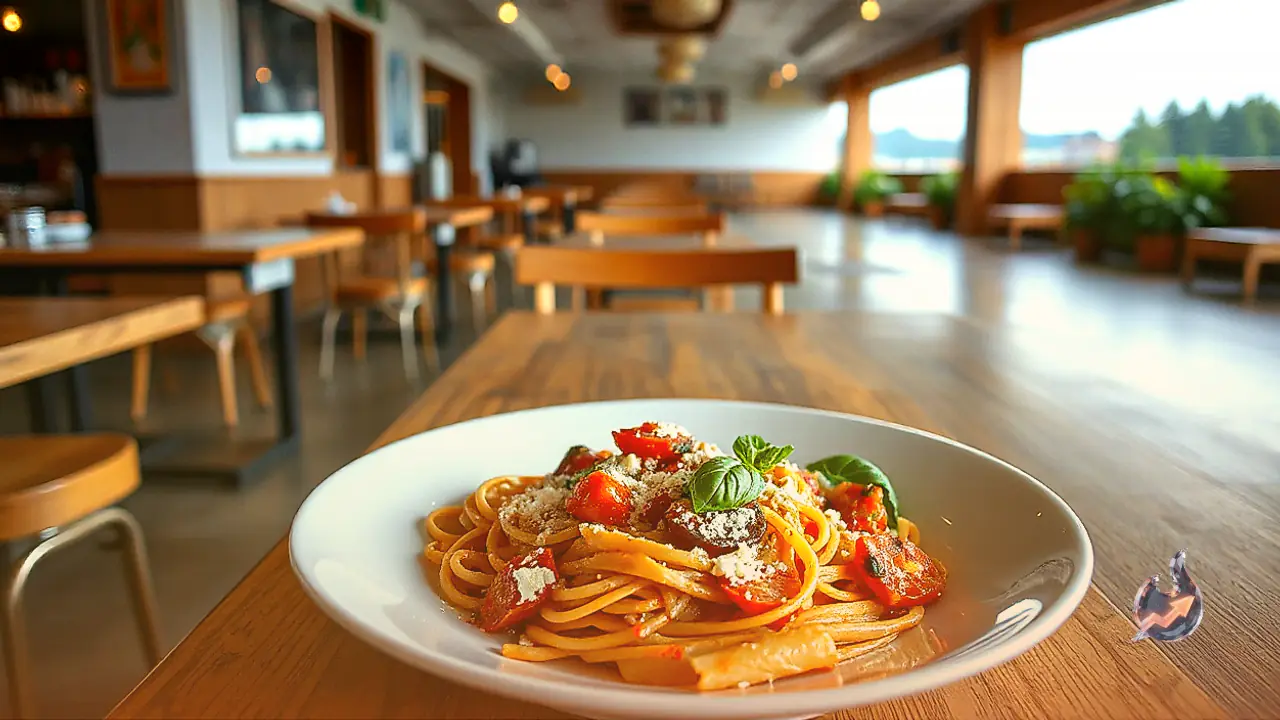






















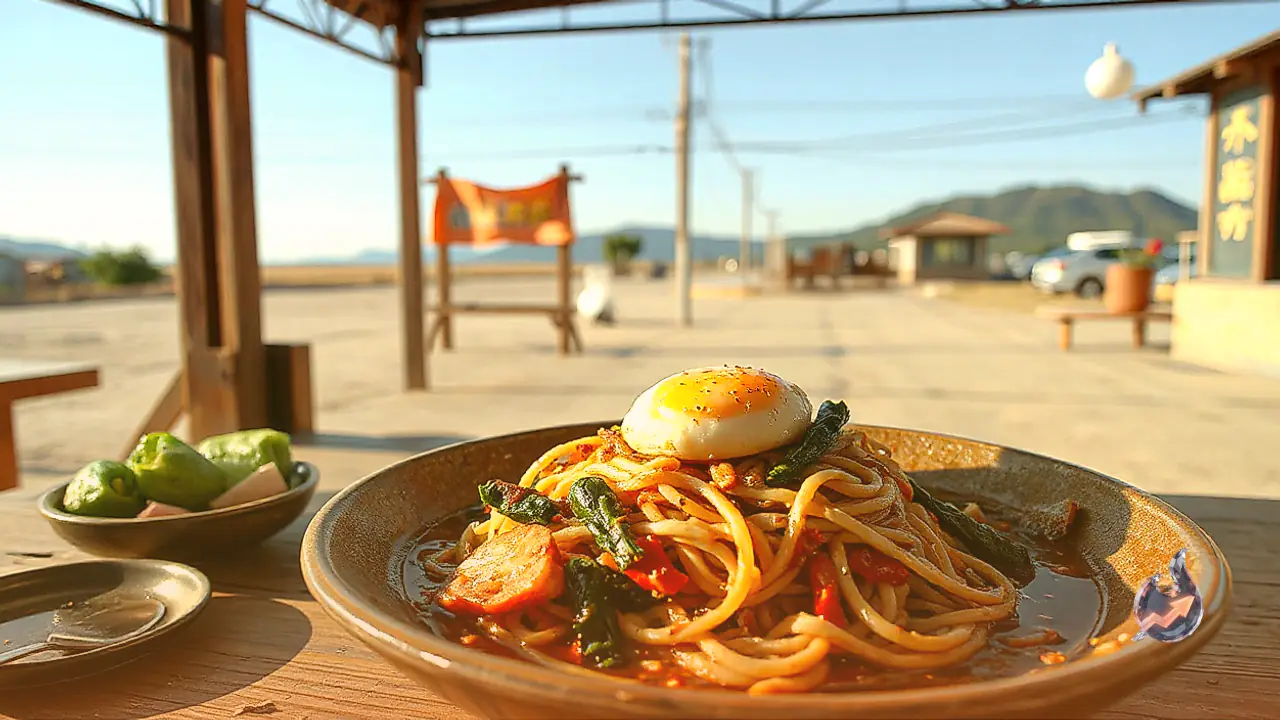

A steaming plate of noodles tossed with vibrant vegetables and savory sauces is an irresistible comfort meal for food lovers everywhere. The interplay of springy noodles, thinly sliced carrots and bell peppers, a zesty sauce glaze, and tender pieces of egg creates a satisfying harmony of flavors and textures. While many people routinely place takeout orders to satisfy this craving, preparing authentic egg Hakka noodles in your own kitchen requires only a few basic kitchen steps and common ingredients. The real secret to success lies in two crucial stages: boiling the noodles to the exact level of tenderness and stir-frying the vegetables so they retain their natural snap. If the noodles boil a minute too long, they turn gummy and tear easily in the pan; conversely, overcooking the vegetables strips away their lively crunch. By chopping the produce and prepping the egg beforehand, assembling the dish over high heat takes only a few swift minutes.
Essential Ingredients and Measurements for Two Servings
To prepare this classic Indo-Chinese meal for two people, start with one standard packet of plain noodles. Two whole eggs provide the right balance of protein and soft texture throughout the dish. For the vegetable base, gather one medium onion, one fresh carrot, and one firm bell pepper. Keep a small bunch of freshly chopped spring onions set aside to add a crisp, aromatic finish at the very end.
Achieving that tangy, savory restaurant finish depends on measuring out the right combination of sauces and seasoning. You will need one teaspoon of plain vinegar, half a teaspoon of soy sauce, half a teaspoon of tomato ketchup, and one teaspoon of red or green chili sauce. Alongside these, keep fine table salt, freshly ground black pepper, and cooking oil within easy reach. Because packaging sizes for noodles can vary across brands, you can slightly adjust the amounts of sauces and pepper to match your personal preference for heat and saltiness.
Uniform Knife Work and Vegetable Preparation
Clean knife work is vital when putting together stir-fried noodles. Wash the carrot and bell pepper thoroughly, remove any seeds, and slice both into thin, uniform strips or matchsticks. Peel the outer skin of the onion and slice it thinly along the grain. Cutting all the vegetables to a similar thickness ensures that they soften at an identical rate in the hot pan while blending effortlessly with the long strands of noodles.
Keep the finely sliced green portions of the spring onion in a separate bowl, as these delicate greens should only be tossed in right before taking the pan off the burner. At this stage, line up all your sauce bottles and dry seasoning jars within arm's reach of the stove. Chinese wok cooking moves extremely fast, and stepping away to hunt for an ingredient while vegetables are searing on maximum flame can quickly scorch them or turn them soggy.
Boiling the Noodles to the Proper Firmness
Bring a generous pot of water to a rolling boil over high heat. Once vigorous bubbles break the surface, stir in a pinch of salt and drop in the dry noodles. Cook them according to the package directions, testing a strand between your fingers as the timer ticks down. The ideal texture is al dente, meaning the raw flour taste is gone and the noodle is pliable, yet it still possesses a slight firmness at its core.
Remember that the noodles will undergo a second round of cooking in a screaming-hot pan alongside the vegetables and sauces. Avoid stirring the boiling pot aggressively with heavy utensils, as rough handling easily fractures the noodles into short, broken pieces.
Draining and Coating the Noodles With Oil
The moment the noodles reach the right texture, pull the pot from the stove and pour the contents into a large colander to drain away all hot liquid. Immediately drizzle roughly one teaspoon of neutral cooking oil over the hot strands, using your fingers or a fork to toss them gently. This light layer of oil seals the surface of the noodles and keeps them from sticking together into a solid clump.
Spread the drained noodles out on a wide platter or baking tray so that excess steam can escape quickly into the air. Storing hot, damp noodles in a compact, deep bowl traps moisture inside, causing them to continue steaming in their own residual heat. That trapped heat makes them unpleasantly mushy, and attempting to pry them apart later inevitably causes them to snap.
Cooking the Eggs to Your Preferred Style
You can incorporate the eggs using one of two popular methods. Crack both eggs into a mixing bowl, season with a pinch of salt and a dash of ground black pepper, and whisk briskly with a fork. Heat a splash of cooking oil in a frying pan and pour in the mixture to cook a thin, golden omelet. Once both sides are cooked through, slide the omelet onto a board and cut it into bite-sized rectangles or thin ribbons.
Alternatively, pour the seasoned egg wash into the hot pan and stir continuously with a spatula to produce soft scrambled eggs. Keep the scrambled curd relatively large rather than breaking it down into tiny crumbs, ensuring that every forkful of noodles delivers a distinct bite of fluffy egg. Transfer the prepared eggs to a clean plate and set them aside.
High-Heat Stir-Frying for Crisp Vegetables
Set a wide wok or deep skillet over high heat and add a small swirl of cooking oil. When the oil is shimmering hot, toss in the sliced onion, carrot matchsticks, and bell pepper strips all at once. Stir-fry constantly over intense heat for roughly two to three minutes.
The goal during this brief step is merely to tame the raw bite of the vegetables while preserving their vibrant color and sharp crunch. If you are using a smaller household pan, avoid overloading it with too much produce at once. Crowding the pan drops the cooking surface temperature rapidly, forcing the vegetables to release water and steam in their own juices rather than crisping up in the oil.
Tossing the Noodles and Seasonings Together
Add the cooled, boiled noodles directly into the pan over the stir-fried vegetables. Immediately pour in the measured vinegar, soy sauce, tomato ketchup, and chili sauce. Sprinkle ground black pepper and a cautious pinch of salt over the top. Keep in mind that soy sauce contains natural sodium and the boiling water was already salted, so beginning with a minimal amount of extra salt prevents overseasoning.
Using two wide spatulas or cooking tongs, lift the noodles from the bottom of the wok and toss them gently with the vegetables. Keep the heat high and toss continuously for about two minutes until the sauces coat every individual noodle strand in an even, glossy sheen.
Adding the Eggs and Serving Hot
Finish the dish by adding the cooked egg ribbons or curds along with the reserved chopped spring onions into the pan. Toss everything together gently for approximately one minute so the egg warms through and absorbs the pan flavors. Prolonged cooking is completely unnecessary here because the eggs are already done and overcooking will wilt the fresh spring onions.
As soon as the ingredients are thoroughly blended and steaming, switch off the burner. Divide the egg Hakka noodles into wide shallow bowls and serve immediately. Enjoying the dish straight from the stove guarantees the perfect contrast between tender noodles, savory sauces, and crunchy vegetables.