





















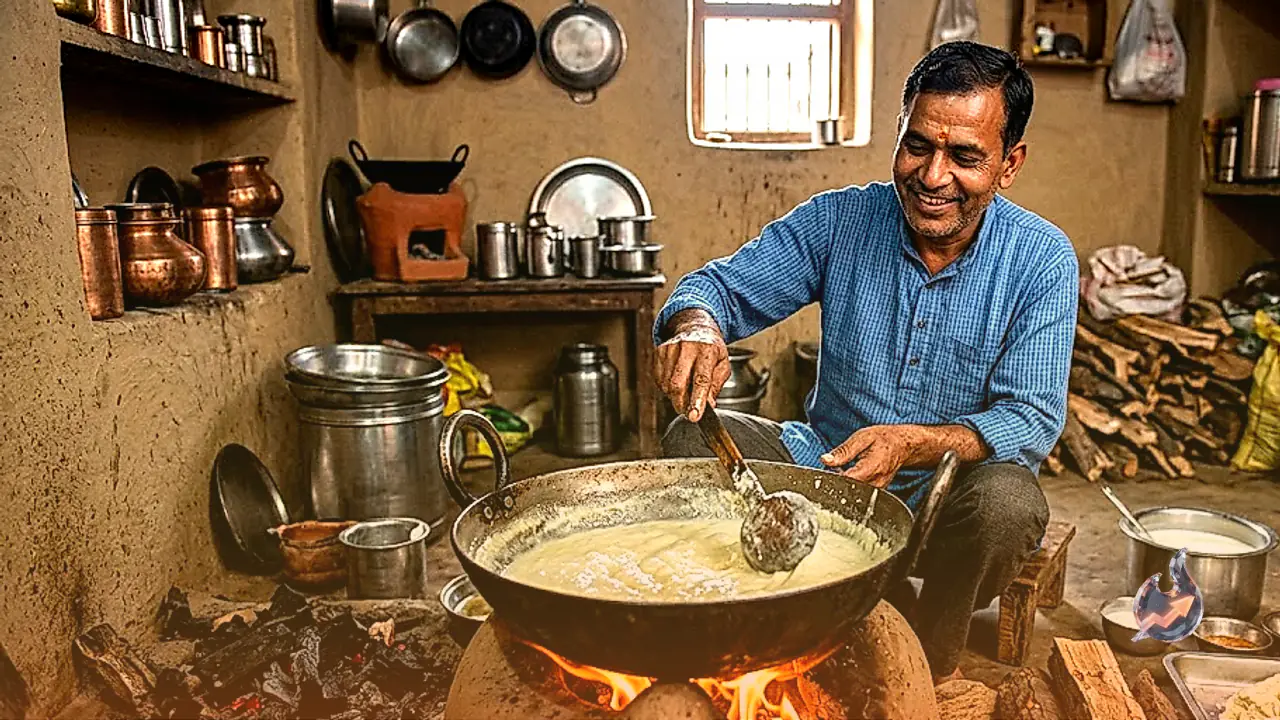

People often grow tired of the repetitive taste of sweets available in the market today. This is the exact reason why many individuals now prefer preparing mawa or khoya from milk right at home to make their favorite homemade sweets. If you also want to make pure and fresh mawa at your house, the process is not overly complicated. By following a few straightforward methods, anyone can successfully produce quality mawa using fresh milk at home.
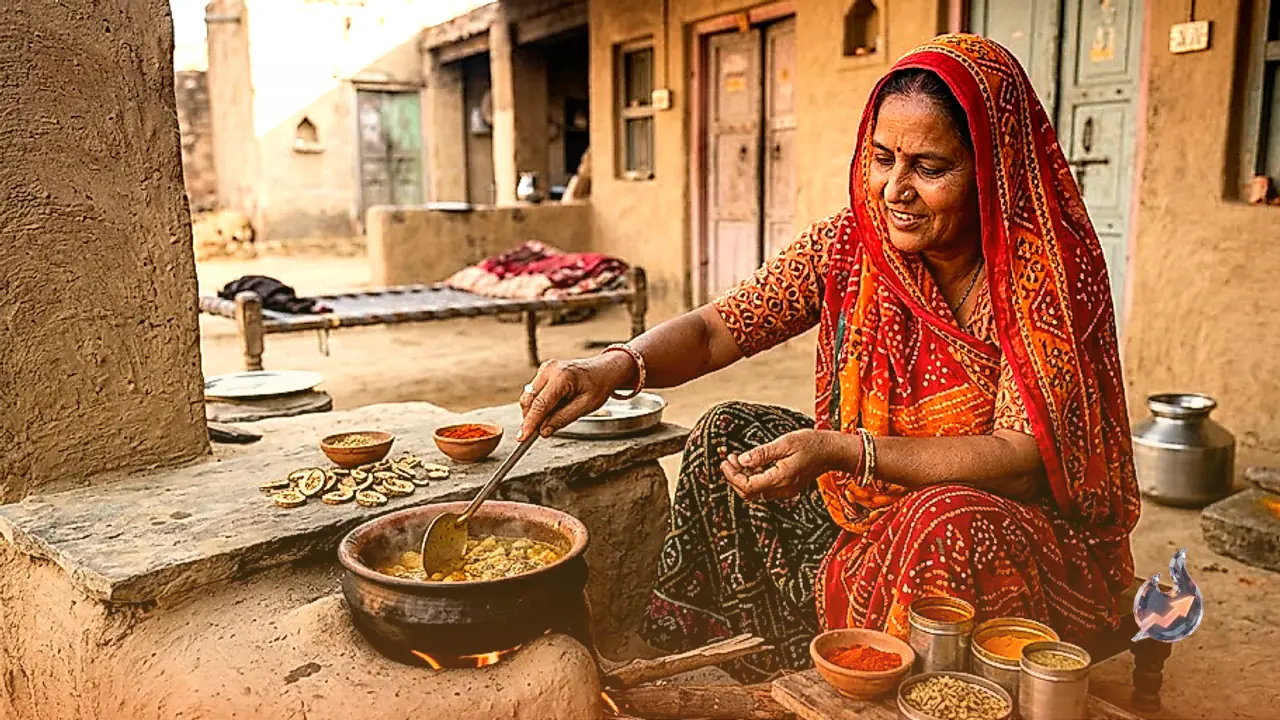
It is worth noting that Chitrakoot district in the Bundelkhand region is widely recognized for its exceptional local food products, particularly mawa. A large number of residents in the rural areas here are engaged in the traditional craft of producing mawa from milk. The khoya prepared in village households is transported to nearby markets for sale. From there, this very mawa reaches various districts across Uttar Pradesh and Madhya Pradesh, where it is used to craft a wide variety of sweets sold in commercial marketplaces.
Start the Process with Milk in a Pan
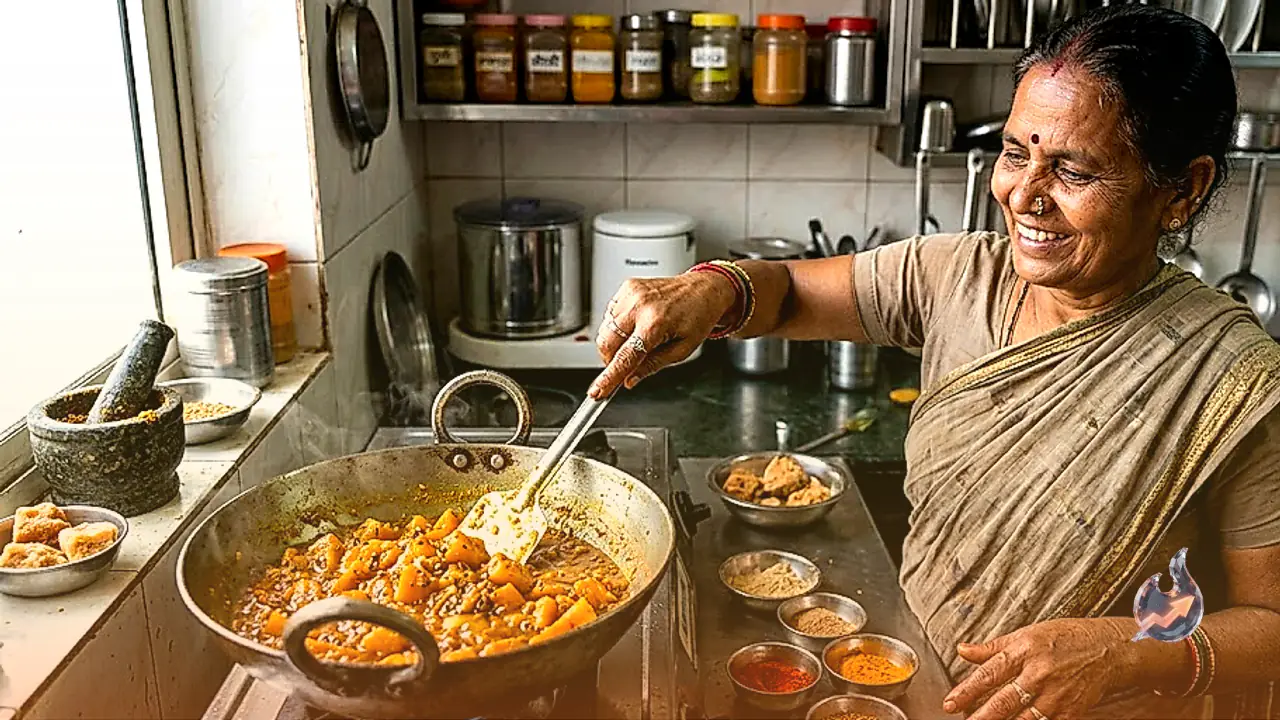
Sharing insights on the preparation method, recipe expert Om Prakash explained that making mawa at home begins with selecting a clean, heavy-bottomed pan or kadhai. Pour the milk into it and start heating it over a low flame. It is crucial to stir the milk continuously or at short intervals so that it does not stick to the bottom of the pan and remains safe from burning.
As the milk continues to heat up, the water content inside it gradually evaporates into steam, causing the milk to thicken progressively. Throughout this phase, stirring must be maintained consistently. Once the milk thickens substantially and retains very little moisture, it begins to transform into proper mawa.
Key Precautions During Preparation
He further added that the most critical aspect of making mawa is paying close attention to stirring the milk properly. If the milk is left unattended for too long without stirring, it can stick to the bottom of the pan, ruining the flavor and overall quality of the mawa. Therefore, it should always be cooked slowly over a low flame with steady stirring. As soon as the mixture achieves a thick consistency, turn off the stove. Once it cools down completely, it turns into solid mawa.
Generally speaking, about 200 grams of mawa can be produced from 1 liter of milk. However, the final quantity of mawa depends entirely on the quality and richness of the milk used. Buffalo milk contains a higher fat content compared to cow milk, which allows it to yield a greater quantity of mawa than cow milk.