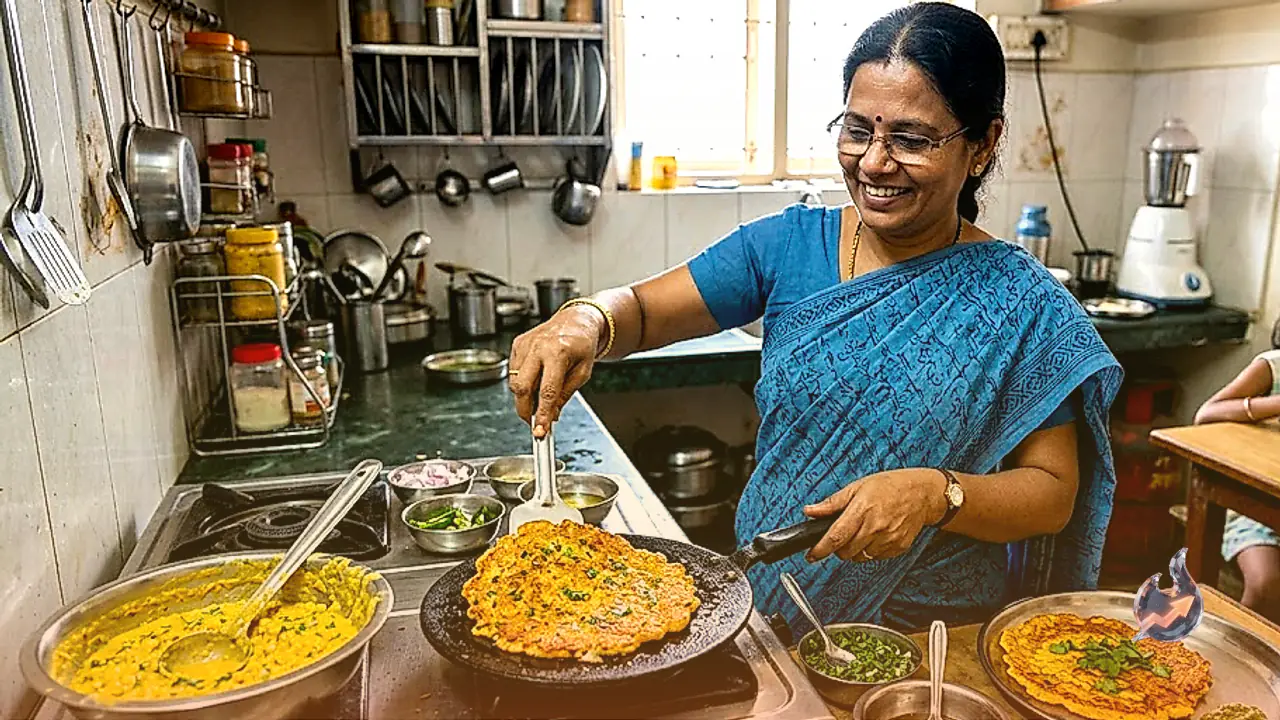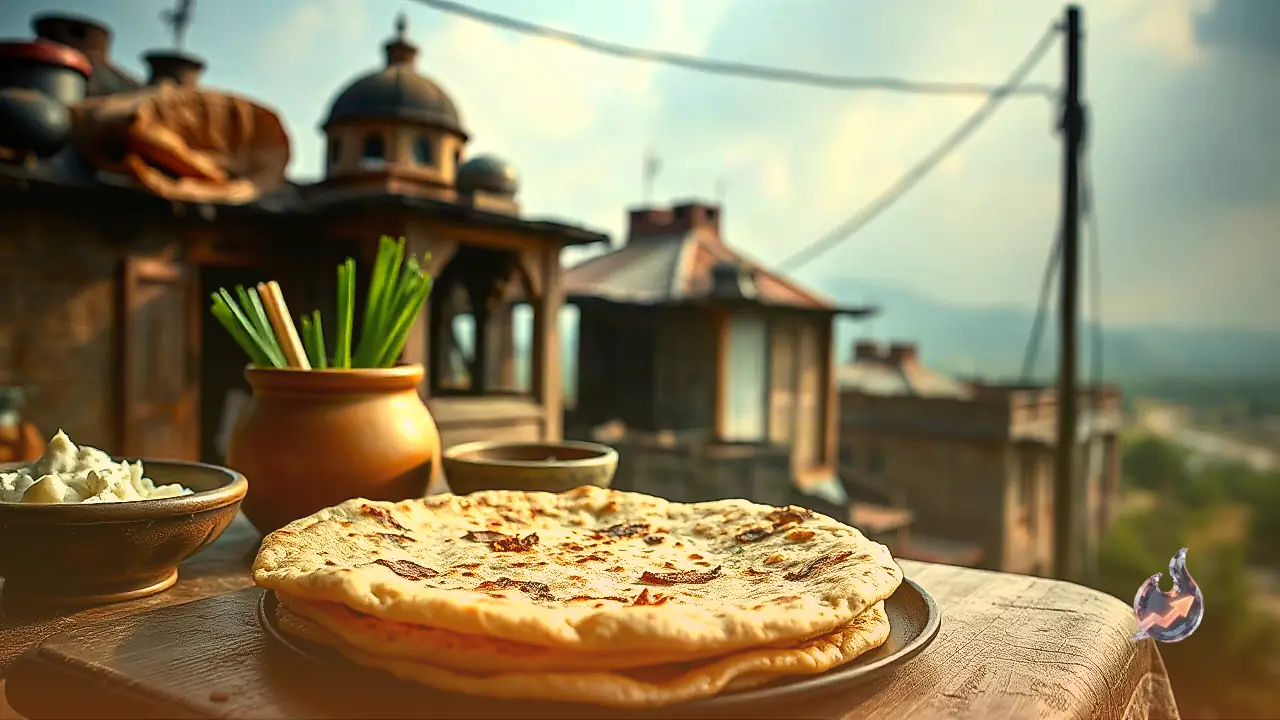






















Fresh rotis are prepared in homes every single day, but a minor inconvenience often ruins the entire mealtime experience. While chapatis feel soft, hot, and well-puffed right off the griddle, they frequently turn hard and dry just a few hours later. This texture change is especially common with rotis made early in the morning and packed into school or office lunch boxes for the afternoon. Many individuals assume that flour quality or insufficient water is the sole culprit, but the reality is somewhat different. The method used to handle and store rotis after they are cooked has a direct impact on their overall softness.
Proper Packing Prevents Moisture Loss
Placing hot chapatis immediately into a sealed container, over-cooking them on the griddle, or packing them right next to moist vegetables can ruin their texture. Fortunately, keeping them soft does not require any expensive products. It simply demands a minor adjustment in how rotis are packed along with a few straightforward precautions. Chapatis are not only hot when they come off the griddle, but they also contain trapped steam. If they are placed instantly inside an airtight lunch box, the steam remains trapped inside. After some time, this steam cools down and turns into moisture, making the chapatis soggy or wet. Therefore, letting them sit on an open plate or clean cloth for roughly 30 to 60 seconds before packing is essential. This does not mean letting them cool down completely, but rather giving the excess steam a brief moment to escape.
The Simple Cloth Wrap Method
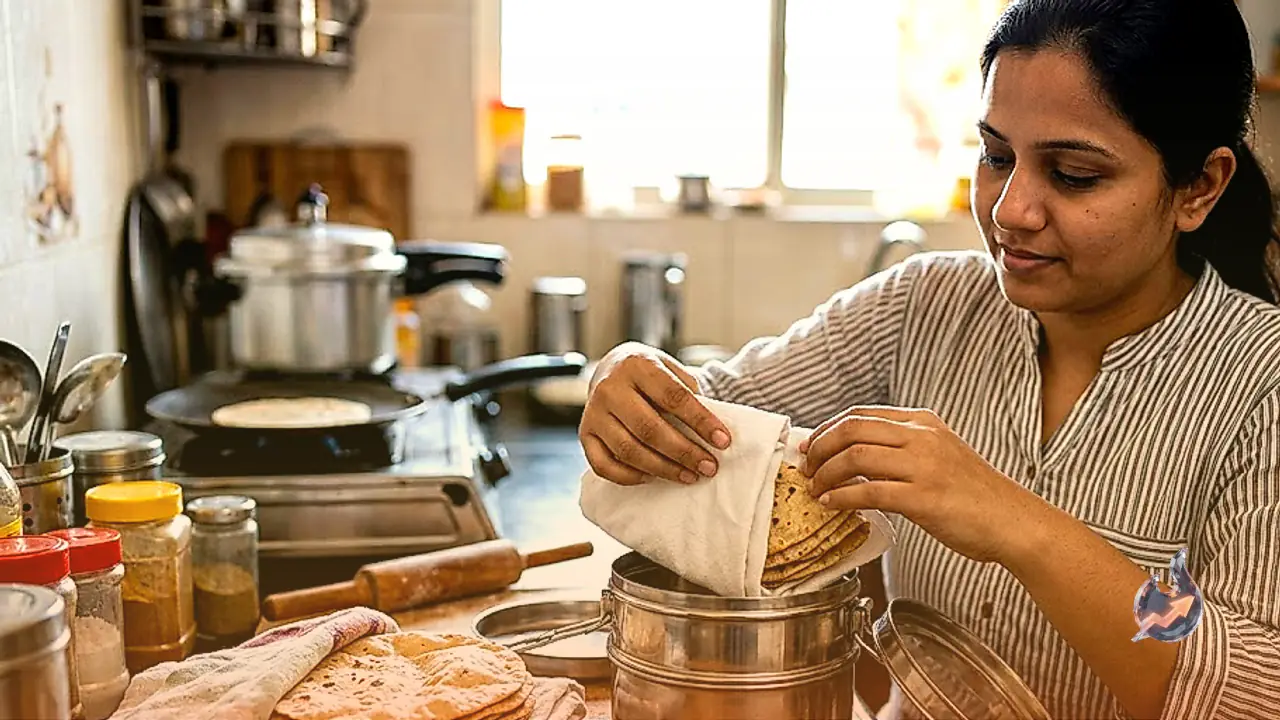
Instead of dropping chapatis straight into the lunch box, wrapping them in a clean and dry cotton cloth is a much better approach. The cloth helps absorb extra moisture and prevents water droplets from accumulating on the surface of the rotis. When preparing lunch boxes in the morning, place the chapatis inside a cloth first and then pack them into the container. Placing a clean, dry cloth or tissue at the bottom of the box also helps control any lingering humidity. The moisture content plays a vital role in keeping a chapati soft. When a chapati puffs up properly, steam forms inside it, which helps maintain its softness for a reasonable period. On the other hand, leaving the roti on the griddle for longer than necessary strips away its natural moisture, which explains why certain chapatis seem fine initially but turn tough once they cool down.
Dough Preparation and Storage Tips
Softness is not determined by cooking and storage alone, as the dough-kneading process is equally crucial. Dough that is mixed too stiffly often yields chapatis that harden quickly. Using lukewarm water as needed while kneading the dough can make a noticeable difference. Some individuals prefer mixing a little oil or ghee into the dough to help preserve the soft texture. Allowing the kneaded dough to rest covered for 20 to 30 minutes also yields better results. Another common mistake is dusting excessive dry flour while rolling out the chapatis, which dries out the surface and makes them feel tough after cooking.
Managing Condensation in the Lunch Box
If opening a lunch box reveals that the top rotis are fine while the bottom ones are soggy, trapped container moisture is usually to blame. The steam rising from hot chapatis travels upward, cools down against the lid, and drips moisture back down onto the lower layers. This is why wrapping chapatis in cloth and controlling internal box humidity is so important. Packing excessively hot chapatis without letting steam escape only worsens this issue. Furthermore, placing hot curries or gravy items directly alongside the bread can make chapatis overly moist and limp. Whenever possible, keeping the bread and the main dish in separate compartments ensures the texture remains intact for a much more enjoyable meal later in the day.