



















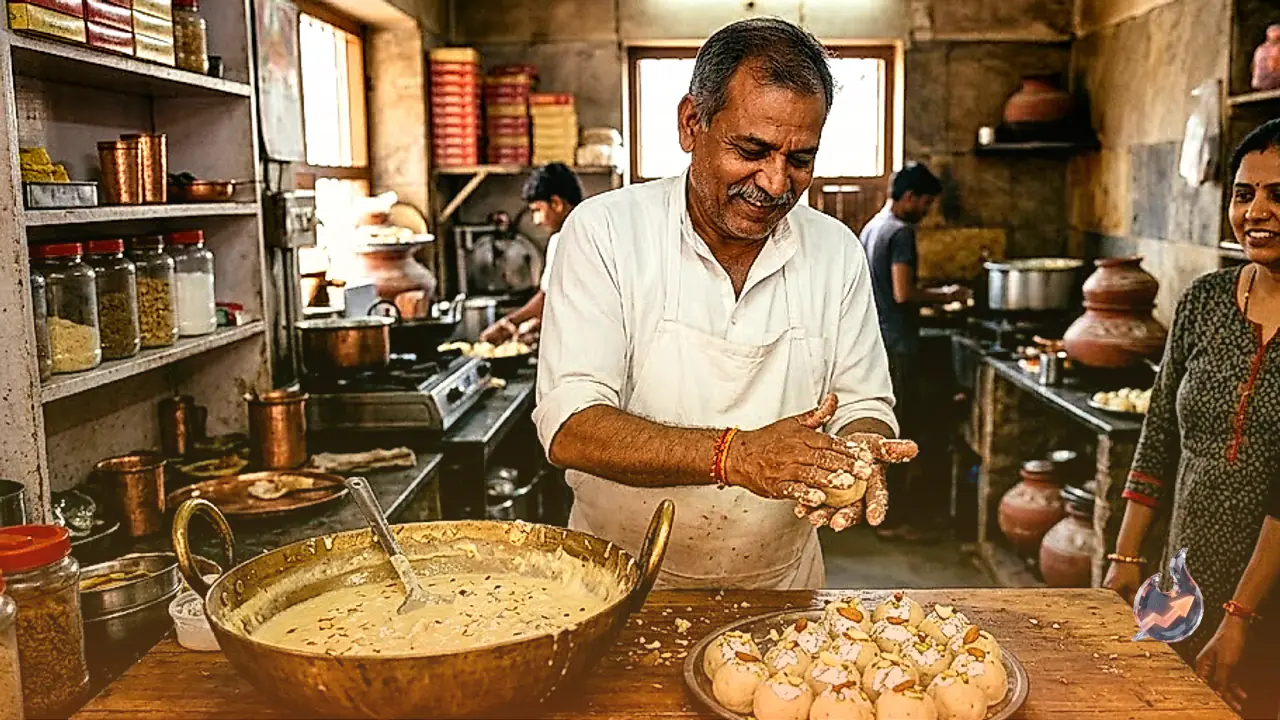

In the Chhatarpur district of Madhya Pradesh, traditional sweets hold a sacred place in culinary heritage, with Malai Laddoo standing out as the undisputed favorite. Passed down through generations, this regional delicacy is regarded as one of the purest Indian sweets because it relies entirely on mawa prepared from wholesome, unadulterated milk. Whether during festive celebrations or everyday occasions, the demand for this rich confection remains consistently high across the region. Fortunately, mastering this mouthwatering sweet at home requires just a few basic ingredients and precise techniques.
The Heritage and Purity of Chhatarpur's Classic Sweet
Malai Laddoo carries a rich history in Chhatarpur district, remaining the oldest and most cherished sweet in local tradition. Long before modern confectionery options flooded local markets, people relied on this classic preparation to celebrate special moments. Both Malai Laddoo and its sister sweet, Malai Barfi, enjoy an unmatched reputation for purity. Even today, households throughout the district prepare these delicacies with immense enthusiasm during festivals and family gatherings.
Insights from 20 Year Veteran Sweet Maker Babbi Chaurasia
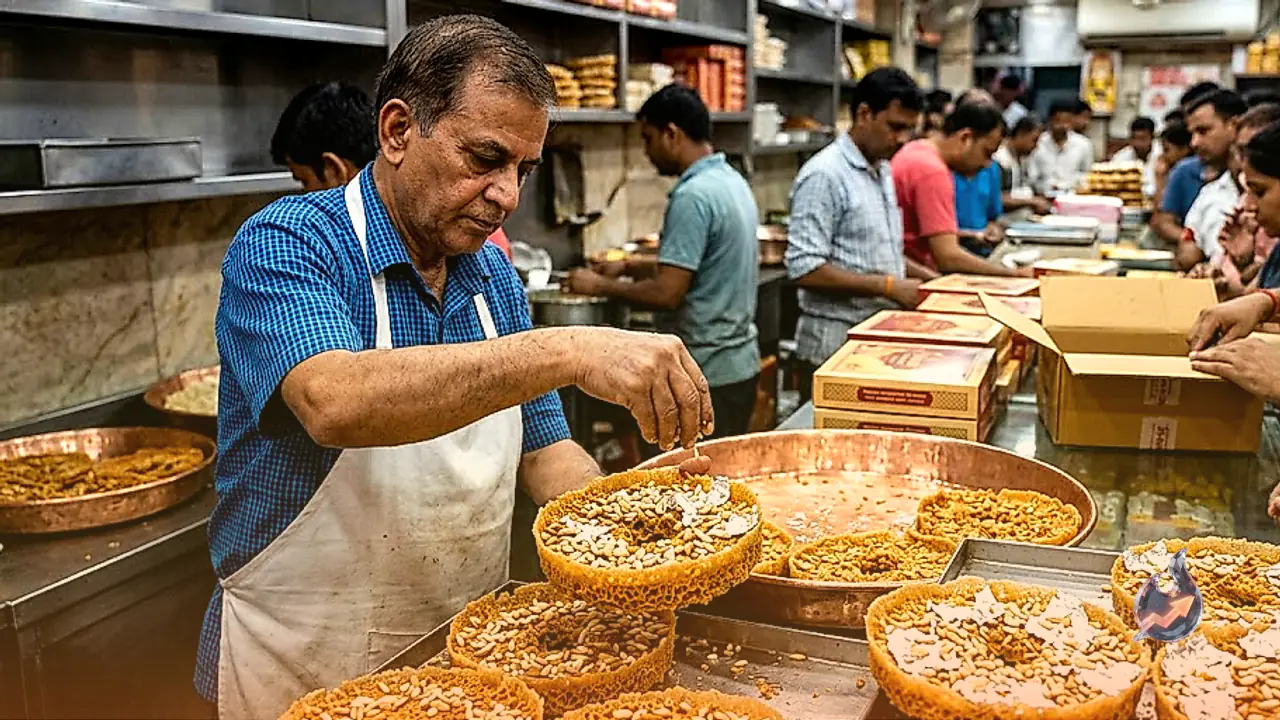
Babbi Chaurasia, a local sweet maker who has been preparing Malai Laddoo for the past 20 years, emphasizes that creating this delicacy at home is far simpler than most people imagine. According to him, following the correct step-by-step procedure yields professional results right in a home kitchen. He explains that the flavor profile of Malai Laddoo sets it apart from other conventional Indian sweets. The natural richness of reduced milk combined with the gentle aroma of cardamom creates a melt-in-the-mouth texture that leaves a lasting impression.
The Secret Golden Ratio of Ingredients
The true secret behind an extraordinary Malai Laddoo lies in maintaining the exact proportions of ingredients. Babbi Chaurasia highlights that sugar management is the single most critical factor during preparation. Unlike typical commercial sweets that are heavily loaded with artificial sweetness, authentic Malai Laddoo contains a minimal amount of sugar. The perfect golden ratio requires exactly 50 grams of sugar for every 1 kilogram of pure milk. This subtle measure preserves the subtle natural sweetness of milk solids without overwhelming the palate.
Step-by-Step Traditional Preparation Method
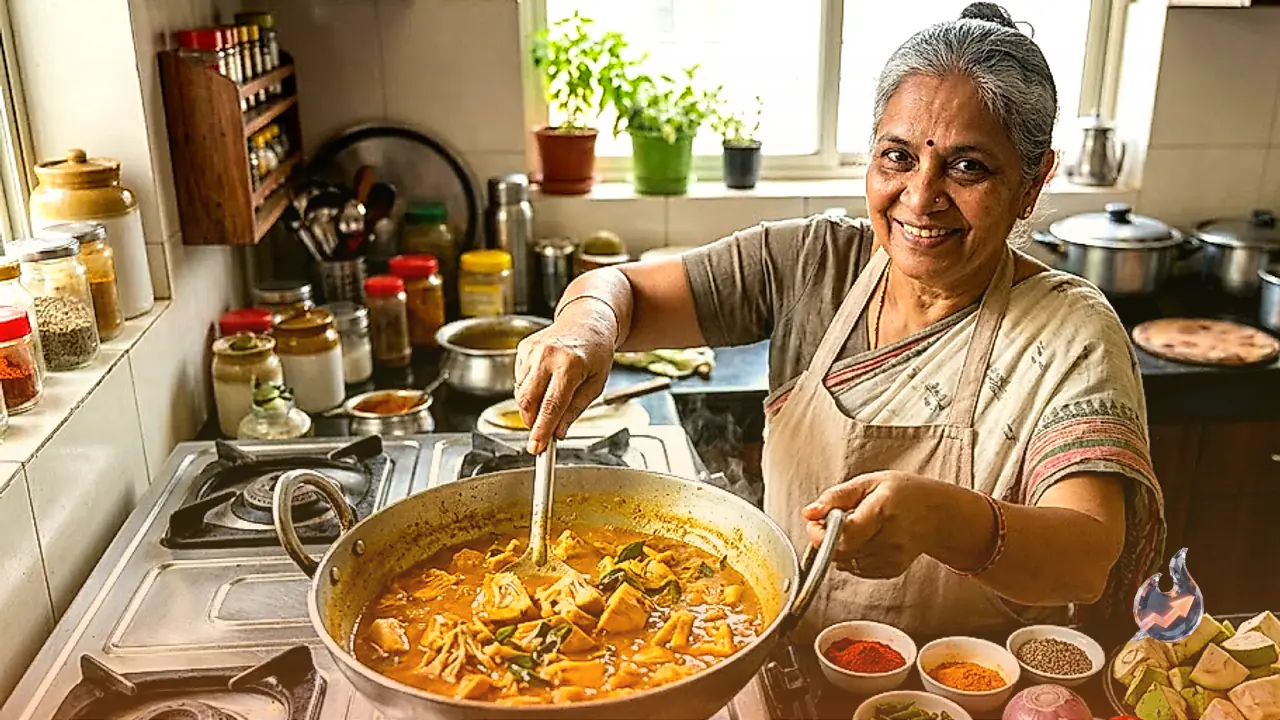
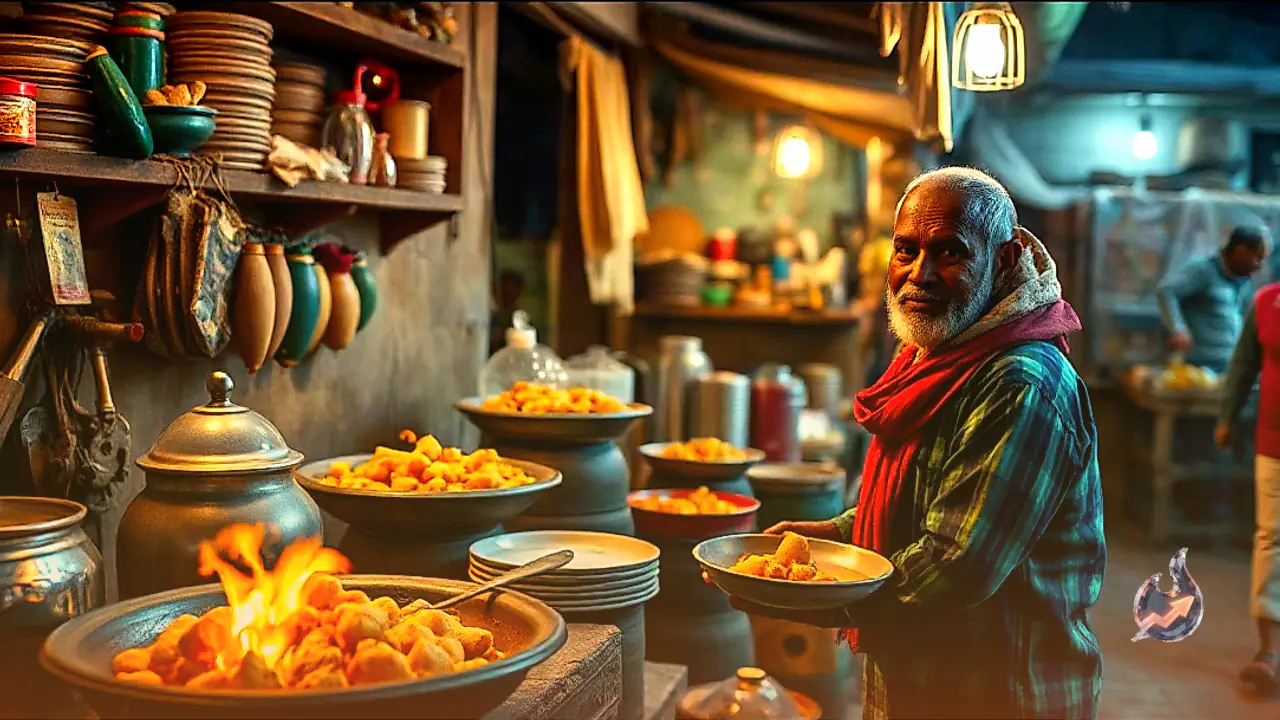
To prepare authentic Malai Laddoo at home, the cooking process begins in a traditional heavy-bottomed iron wok. Pure milk is poured into the iron pan and brought to a rolling boil over high heat. Continuous stirring is imperative throughout this stage to prevent the milk from scorching or sticking to the bottom of the pan.
The milk is reduced slowly over sustained heat until it thickens into a rich, rabri-like consistency. During this reduction phase, 50 grams of sugar and freshly ground cardamom powder are incorporated into the mixture. Finely chopped dry fruits can also be added at this point for enhanced texture and flavor. Once the milk achieves a thick, dense texture, the pan is removed from the heat source.
The Whisking Technique and Modern Alternatives
After removing the pan from the flame, the mixture must be whipped and beaten thoroughly while it cools. This essential whisking step binds the thickened mawa together, giving it the necessary structure to be easily rolled into smooth, round laddoos. Skipping or rushing through this step makes shaping the sweets difficult.
While the classic method relies on simmering whole milk from scratch, modern cooks short on time can use store-bought mawa or crumbled cottage cheese as quick alternatives. Nevertheless, to achieve the authentic, age-old flavor of Chhatarpur, slowly reducing pure milk in an iron wok remains the gold standard technique.