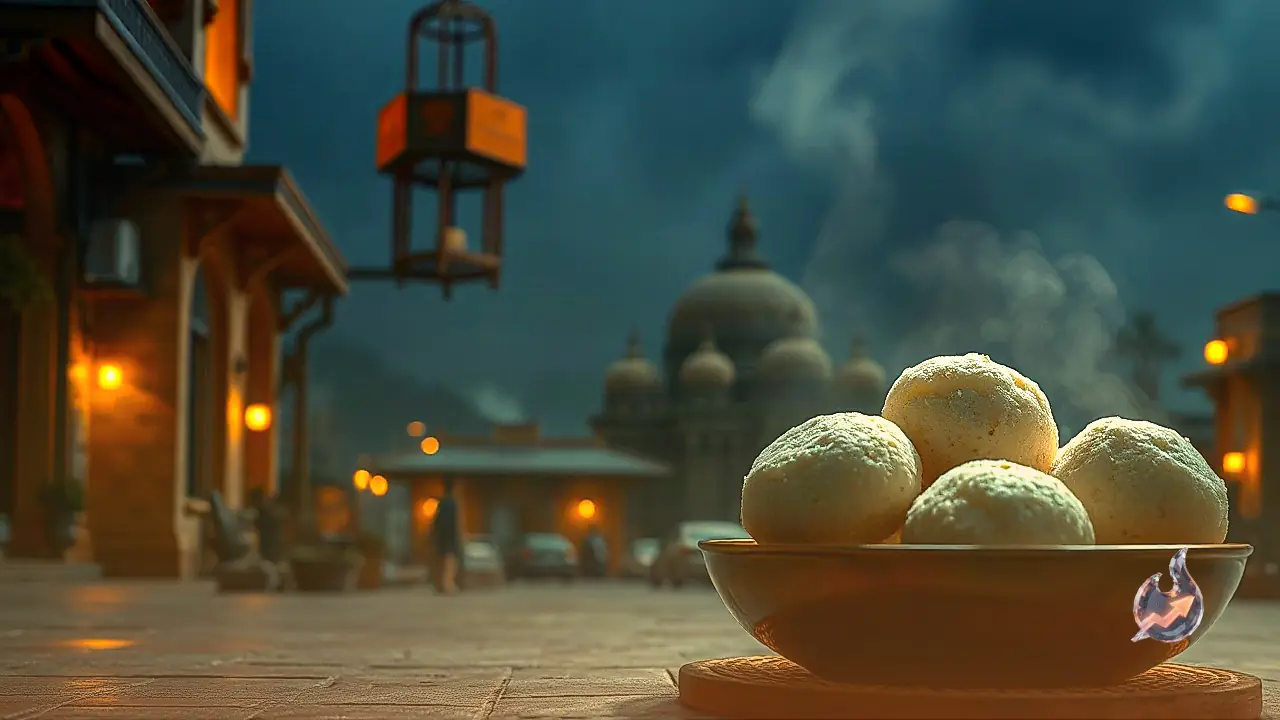























In the culinary heritage of the historic city of Rampur in Uttar Pradesh, the legendary Brown Peda holds a truly cherished place. Prepared continuously since the year 1965, this traditional sweet has successfully retained its authentic flavor and distinct identity even after six decades. While modern confectioneries flood the market during festive seasons, the demand for Rampur's traditional peda remains exceptionally high among locals as well as people from Rampur residing across India and abroad. Visitors returning to Rampur rarely leave without packing boxes of this sweet for their families. The secret behind this iconic delicacy lies in its absolute simplicity, pure buffalo milk mawa, and patient slow-roasting cooking techniques that anyone can now replicate at home.
A 60-Year-Old Culinary Legacy from Rampur
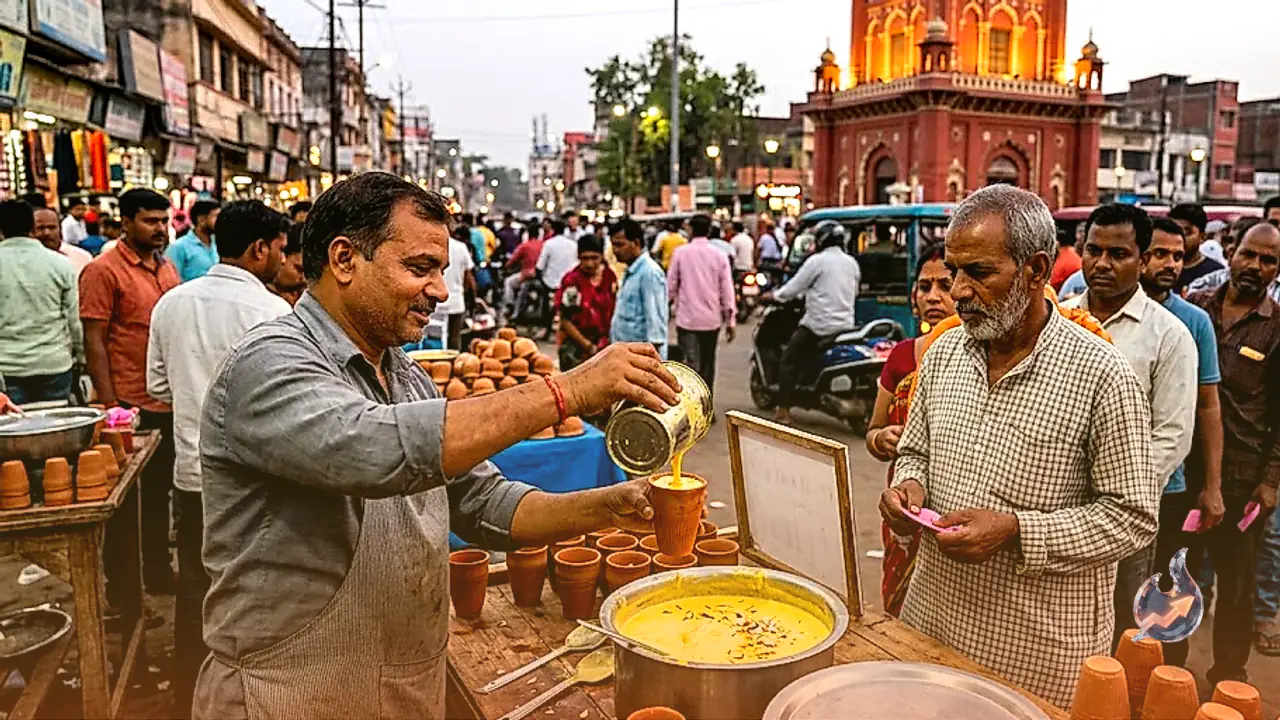
The journey of Rampur's famous Brown Peda began nearly 60 years ago in 1965. Over the decades, while commercial sweet production has largely shifted toward automated processes and artificial enhancers, the method for making this peda has remained virtually unchanged. This commitment to heritage ensures that every single bite delivers the exact same rich taste enjoyed by generations past. During major Indian festivals and celebration periods, demand for this sweet spikes dramatically. Rampur natives living in other cities consider carrying these pedas back home an essential ritual of their travel.
Fresh Buffalo Milk Khoya Forms the Core Foundation
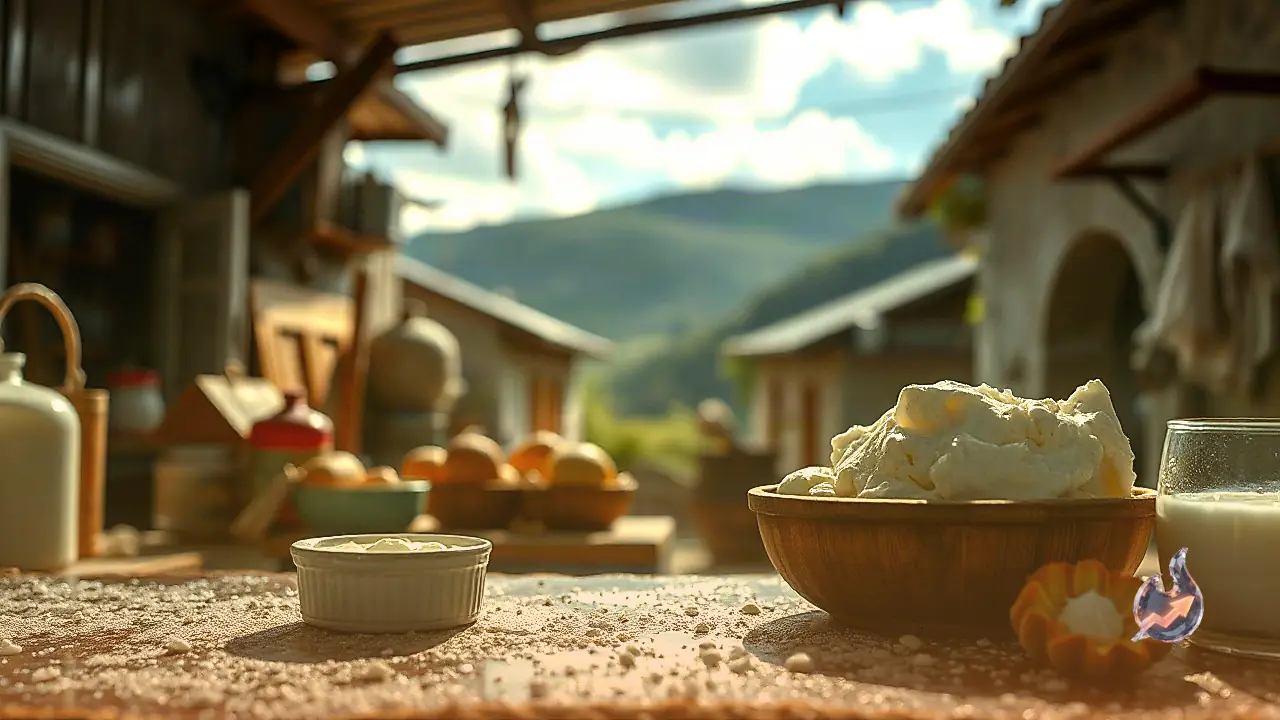
The true essence of this authentic peda rests entirely on the quality of its primary ingredient, khoya or mawa. Instead of purchasing processed commercial mawa, sweet makers prepare fresh khoya directly from raw buffalo milk extracted right before cooking. Shop operator Mumtaz highlights that the ultimate taste profile is determined long before sugar or roasting comes into play, starting directly at the raw milk inspection stage. Pure, high-fat buffalo milk yields a naturally rich, creamy, and grainy mawa. This stringent quality control at the very beginning sets Rampur peda apart from ordinary market sweets.
The Exact Ratio of Mawa and Sugar
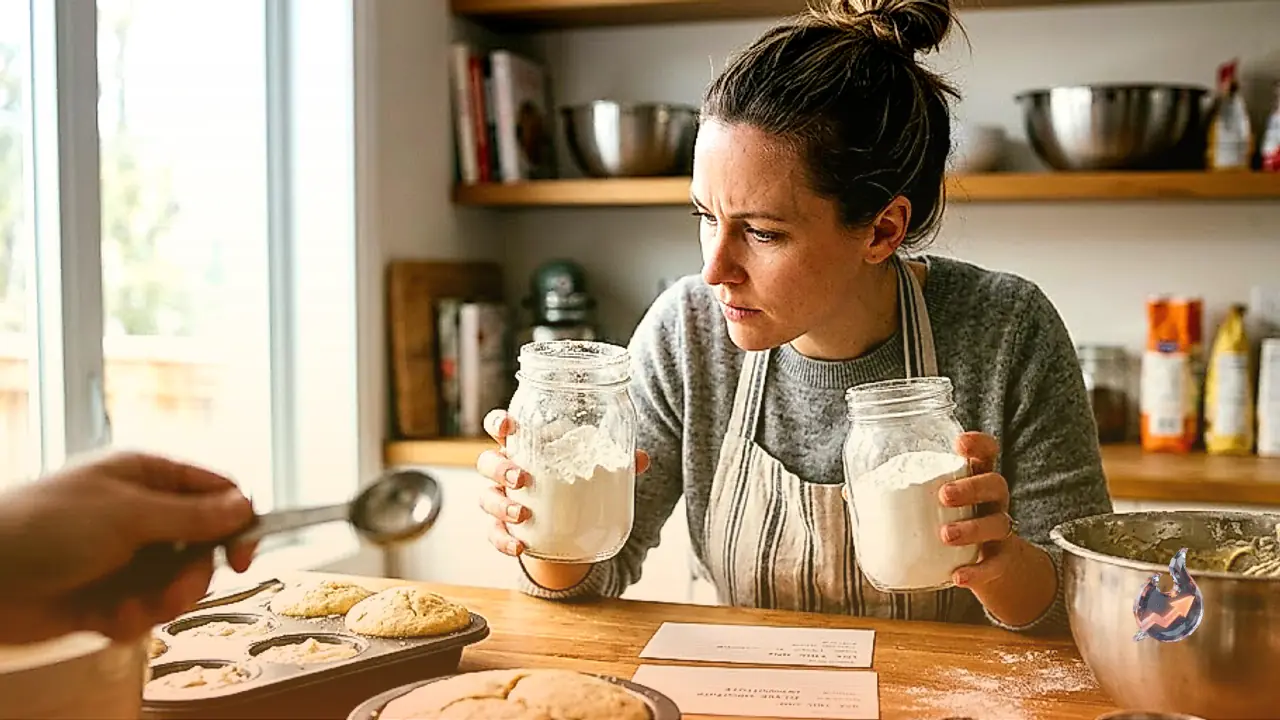
Once pure mawa is prepared from buffalo milk, the core step of sweet making begins. Proportional accuracy is the most critical element of this recipe. Following a time-tested formula, exactly one kilogram of sugar is added to every five kilograms of pure mawa. This sugar quantity is never guessed or altered arbitrarily. As Mumtaz points out, adding excess sugar overpowers the natural caramelized notes of cooked milk and ruins the delicate flavor profile. This exact ratio guarantees a perfectly balanced sweetness that is pleasing to the palate rather than overwhelming.
Slow Roasting Techniques for Rich Color and Melt-in-Mouth Texture
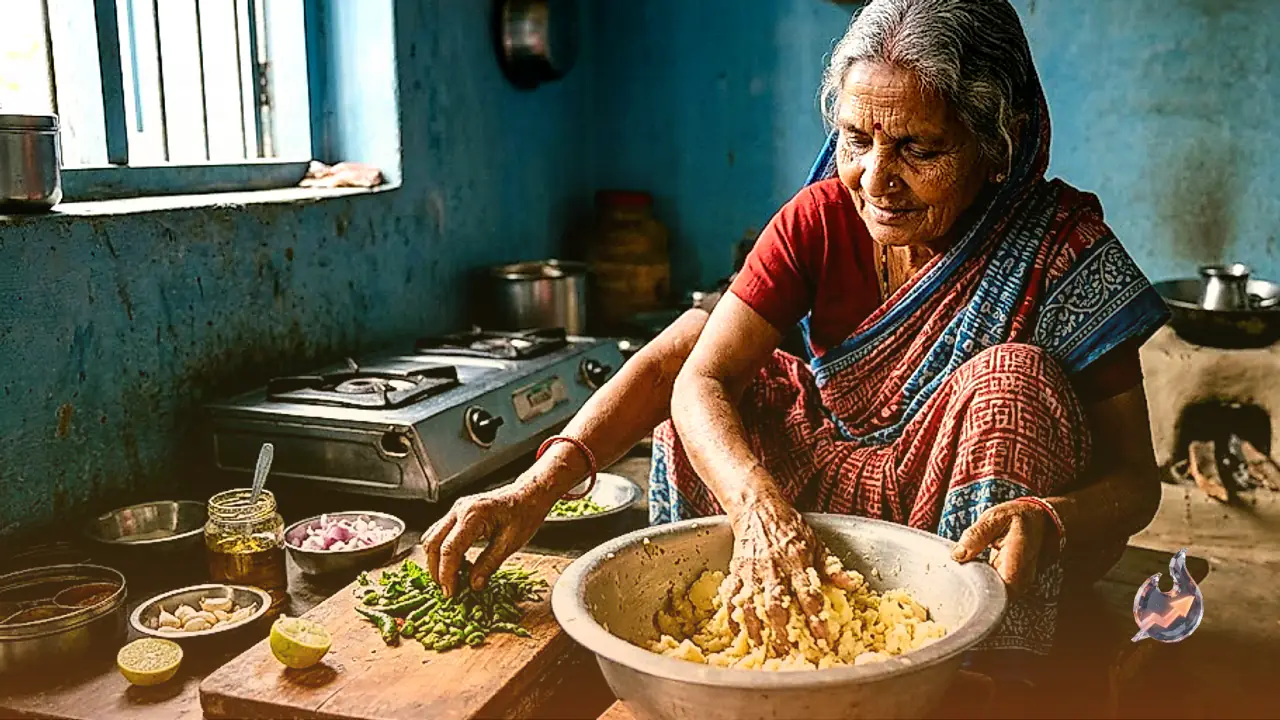
Beyond ingredient measurements, the cooking technique plays a vital role in imparting the signature appearance and texture to the peda. The combination of mawa and sugar is placed in a heavy pan and roasted continuously over a very low flame. High heat is strictly avoided as it can scorch the dairy solids and introduce a bitter aftertaste. Cooking continues patiently until the mawa reaches a warm light brown shade and releases its natural aromas. After shaping, fine powdered sugar is dusted on top for a visually striking finish. The final product boasts a soft, delicate texture that melts effortlessly on the tongue.
Fasting-Friendly Sweet with a 15-Day Shelf Life
Another major advantage of Rampur's Brown Peda is its suitability for religious fasts or Vrat observances. Prepared exclusively from pure milk solids and sugar without any food grains or additives, it aligns perfectly with traditional fasting guidelines while satisfying sweet cravings. Furthermore, the peda offers excellent longevity. When prepared correctly and stored inside an airtight container in the refrigerator, it stays fresh and delicious for up to 15 days. This makes it an ideal sweet to prepare in advance before major festivals or family gatherings.