



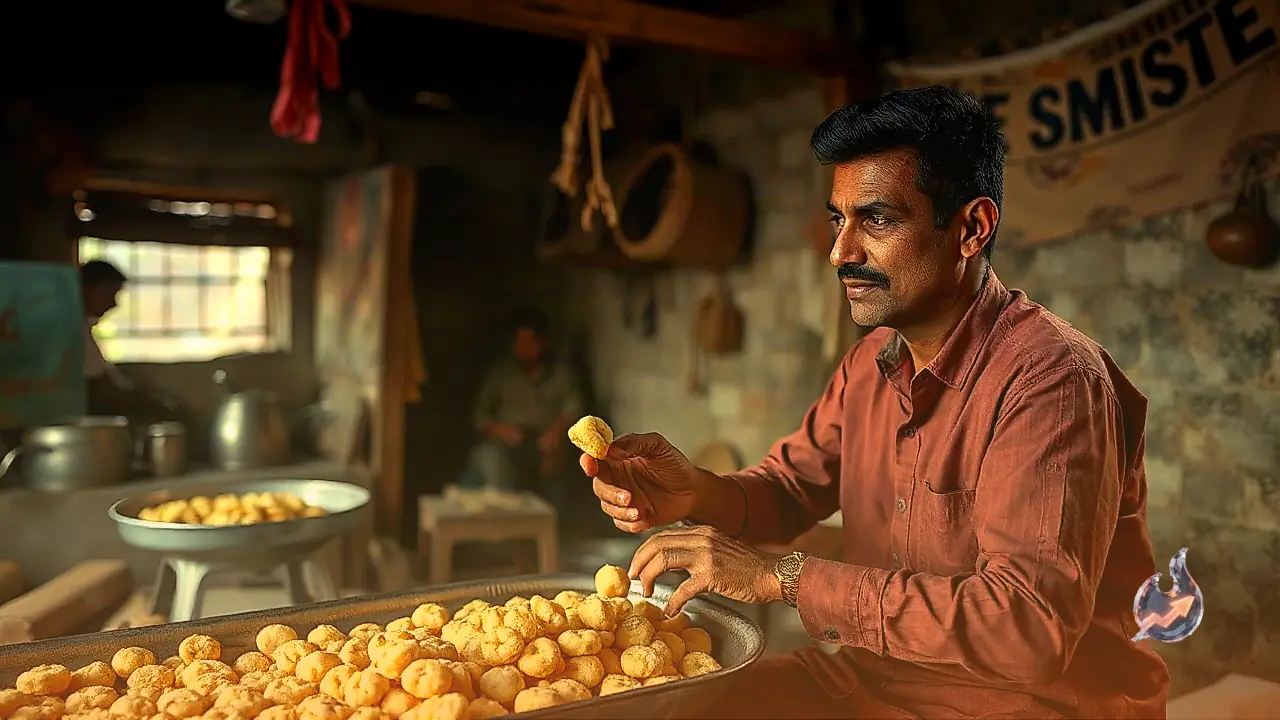














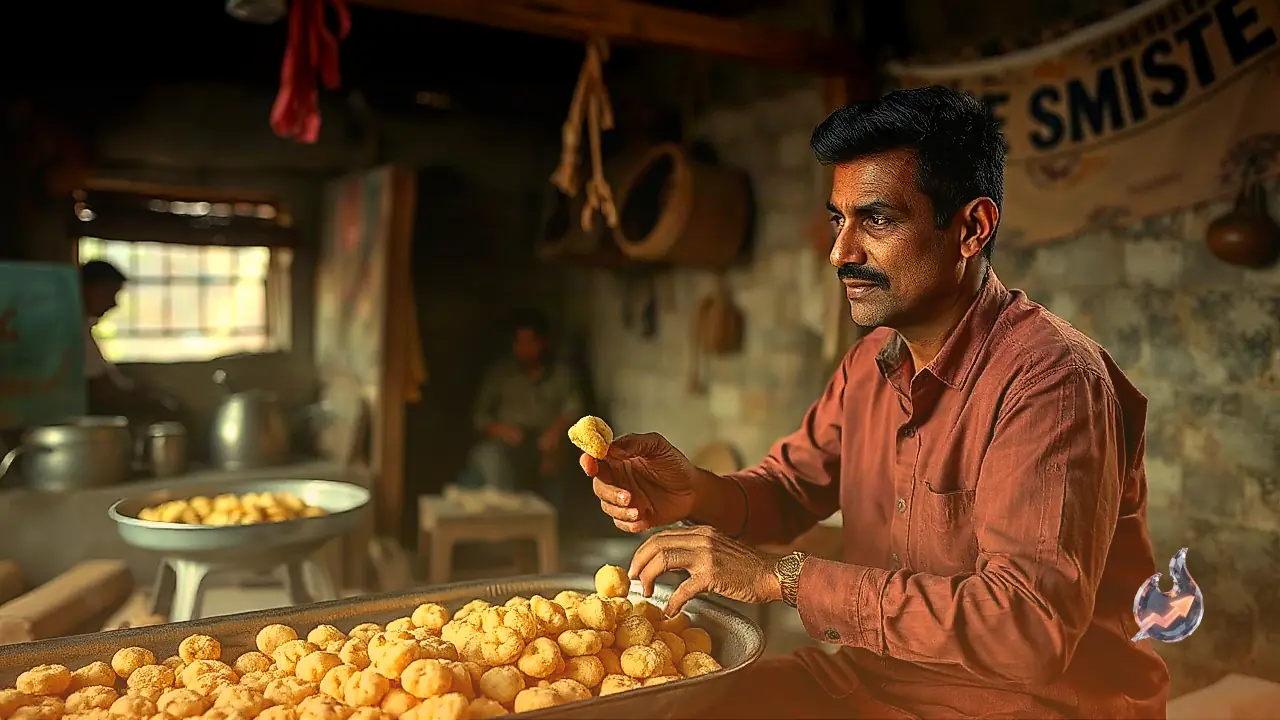

Among Indian traditional sweets, Mathura peda holds a distinct identity due to its rich caramelised aroma and deep brownish-red tint. Unlike common milk sweets that remain pale, this specialty requires an elaborate preparation process centered around prolonged roasting. In the Lavkush Nagar area of Chhatarpur district in Madhya Pradesh, sweet artisan Jagpal from Babbi Restaurant explains that creating this delicacy demands hours of patience, traditional cooking methods, and a precise balance of ingredients.
Slow Reduction of Fresh Milk in Iron Cauldrons
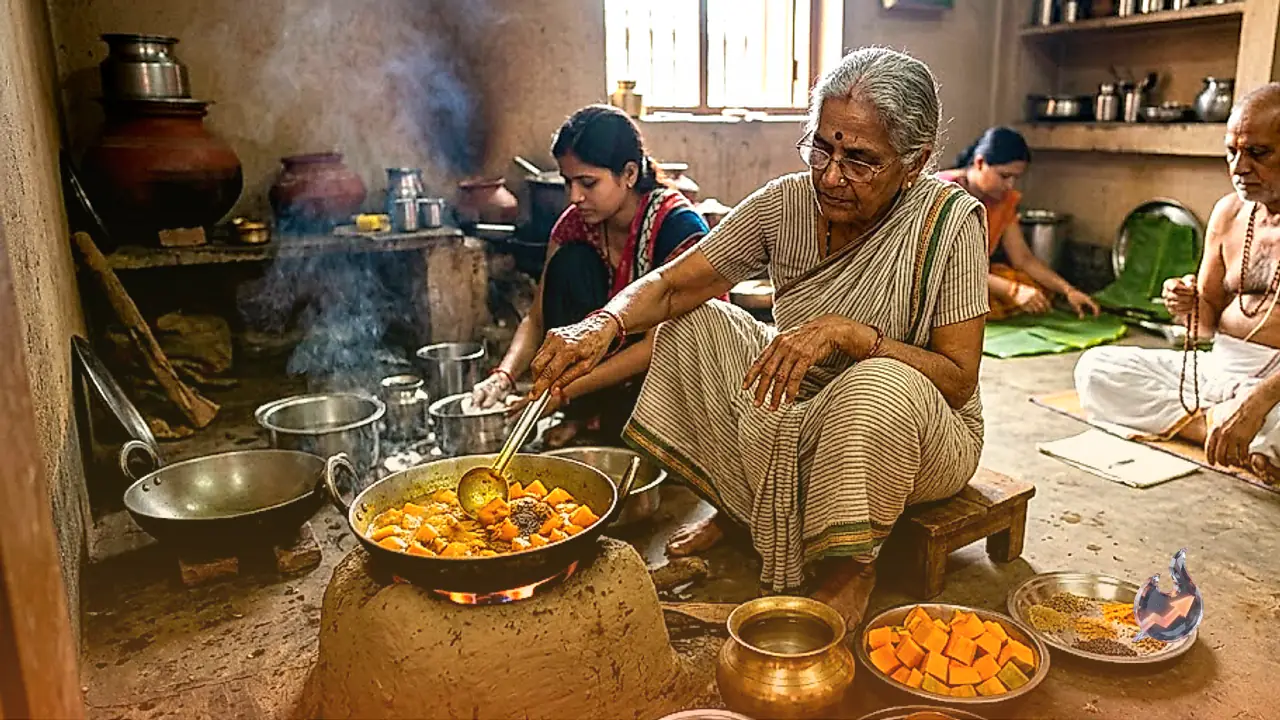
The entire craft begins at the most fundamental stage with pure, fresh milk. Large iron cauldrons are set atop traditional earthen stoves fueled by slow-burning firewood. The milk must be stirred continuously without pause to ensure it does not scorch or stick to the bottom. Over extended cooking, the milk reduces gradually until it transforms into dense mawa, also known as khoya. This initial reduction lays the foundation for the sweet.
Roasting to Deep Red and the Secret Sugar Ratio
Once the khoya is formed, the most crucial phase begins. Jagpal notes that the mawa is transferred into a separate pan and roasted continuously until it turns a deep reddish brown. The signature formula of Mathura peda lies in maintaining low sugar levels. For every one kilogram of roasted mawa, only 200 to 250 grams of sugar is incorporated. Keeping the sweetness modest prevents the peda from becoming overly sugary, allowing the rich taste of roasted milk solids to dominate.
Traditional Kneading with Steel Vessels and Cardamom Flavor
After blending sugar and fine green cardamom powder into the warm roasted mawa, the mixture undergoes thorough kneading. Sweetmakers traditionally use a steel tumbler to press and work the warm mass until it achieves an even, pliable consistency. Small portions are then pinched off and shaped by hand into rustic pedas. The infusion of cardamom powder elevates the aroma, complementing the smoky notes from the wood fire.
Pure Ingredients and Pricing at 400 Rupees per Kilogram
Jagpal emphasizes that the authentic sweet relies completely on pure ingredients without any artificial additives or adulteration. Because of the substantial labor and pure milk solids involved, the peda retails at 400 rupees per kilogram at Babbi Restaurant, with special batches prepared on advance customer orders. Connoisseurs of traditional sweets continue to seek out this specialty despite the premium price tag.