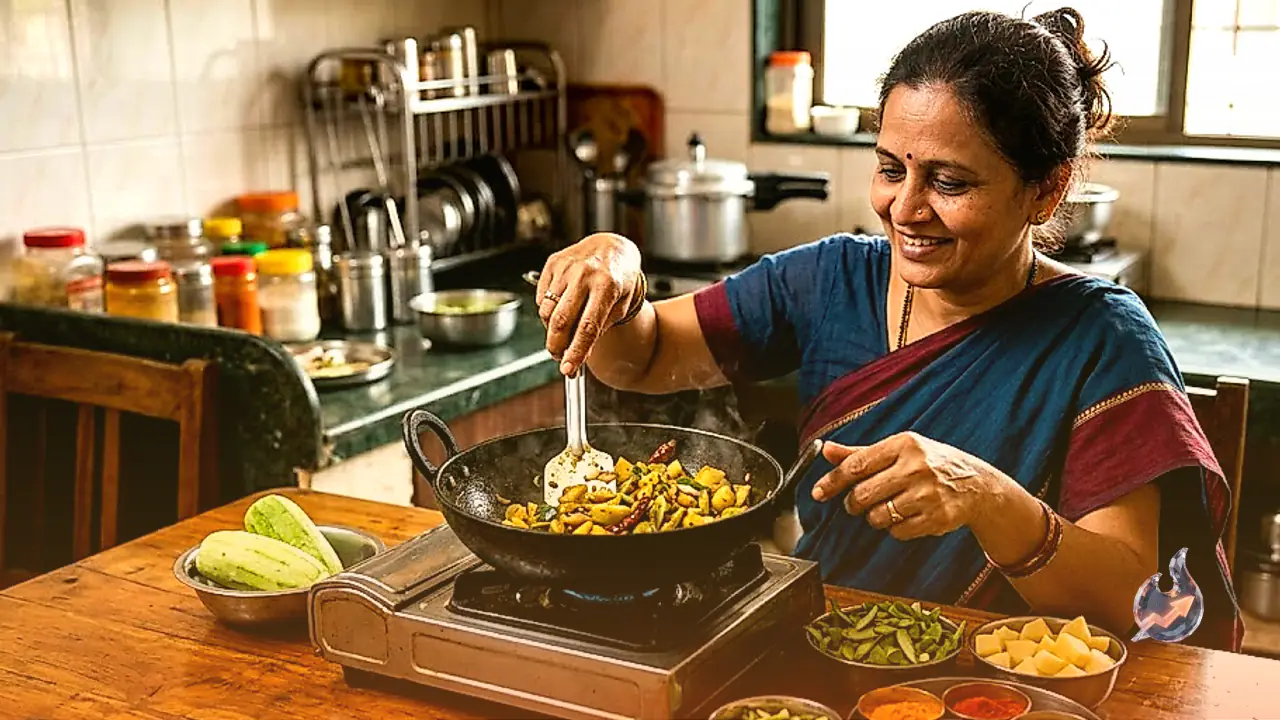























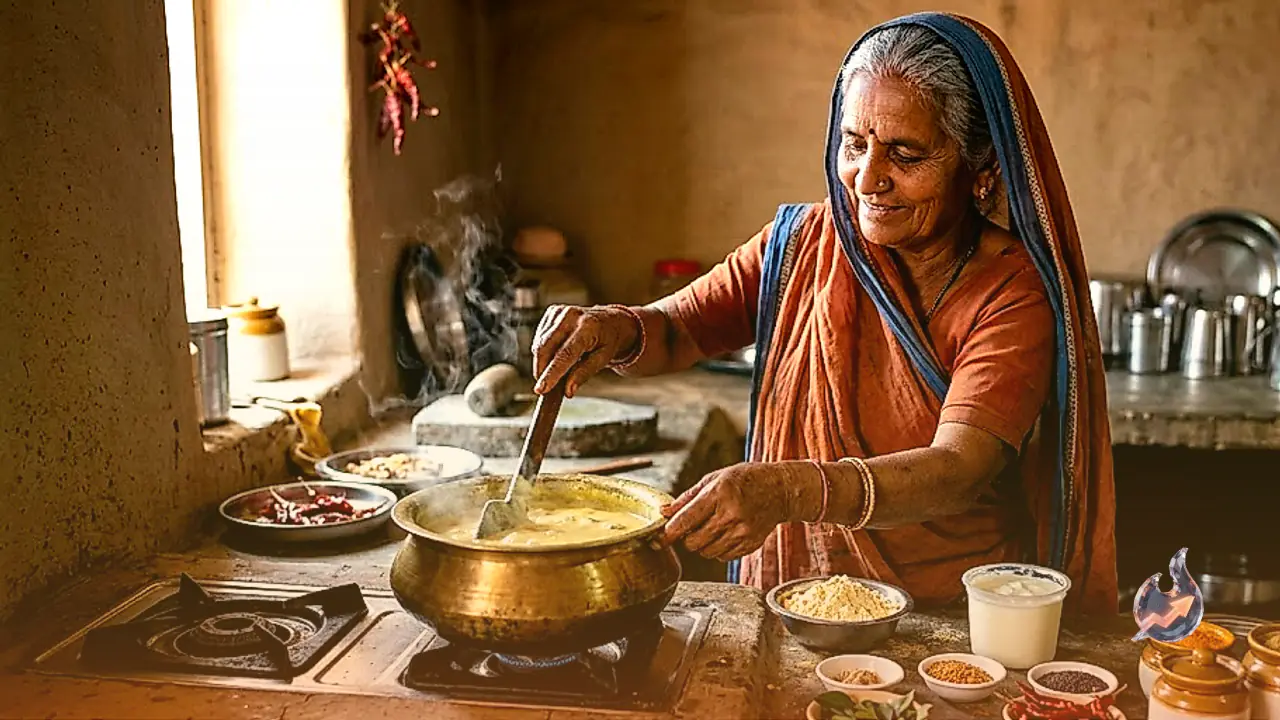

Regional Indian cuisine features numerous variations of yogurt-based curries, yet the traditional kadhi from Rajasthan stands out for its unique blend of sourness, mild heat, and fragrant spices. Unlike many other regional styles, the authentic Rajasthani version traditionally skips fried fritters, relying entirely on a harmonious combination of whisked yogurt and gram flour. Served piping hot, this classic dish pairs naturally with steamed rice, plain flatbreads, or rustic pearl millet rotis.
Preparing the Yogurt and Gram Flour Base
The foundation of this preparation begins with blending the primary ingredients thoroughly. In a spacious mixing bowl, combine yogurt and gram flour, whisking vigorously until the mixture achieves a completely lump-free, silky consistency. Once smooth, stir in turmeric powder, red chili powder, and salt. Gradually introduce water while stirring to create a uniformly thin liquid base, ensuring the spices distribute evenly throughout the blend before cooking begins.
Infusing Aromatics Through Traditional Tempering
Much of the characteristic depth in this preparation comes from the aromatic tempering step. Heat pure ghee in a deep vessel or heavy-bottomed pan until hot. Add cumin seeds, mustard seeds, and fenugreek seeds, allowing them to crackle and release their oils. As soon as the seeds become fragrant, incorporate asafoetida, whole dried red chilies, and fresh curry leaves into the hot fat. Sauté these aromatics for a few seconds to fully unlock their rich flavors without scorching the spices.
Simmering Technique and Vital Steps
Pour the prepared yogurt-flour slurry directly into the tempered ghee while maintaining medium heat. It is essential to stir the mixture continuously with a ladle during this initial phase until it reaches a full boil, as continuous motion prevents the curd from separating or curdling. Once the liquid bubbles steadily, lower the heat to a gentle simmer. Allow the curry to cook slowly for approximately 25 to 30 minutes, stirring occasionally. This extended simmering time completely eliminates the raw taste of the flour while thickening the texture into a rich consistency.
Finishing Touches and Serving Recommendations
Toward the end of the cooking process, mix in coriander powder to add warmth and balance to the gravy. Those who enjoy a sharper, more pronounced sour profile can fold in a small amount of extra yogurt at this stage. Turn off the flame and garnish the surface with freshly chopped coriander leaves. While traditional preparation remains plain, small gram flour fritters can be introduced if desired. Serve the hot kadhi alongside steamed white rice, cumin-flavored rice, or traditional bajra rotis, accompanied by roasted poppadums, fiery garlic chutney, and sliced raw onions for a complete regional meal.