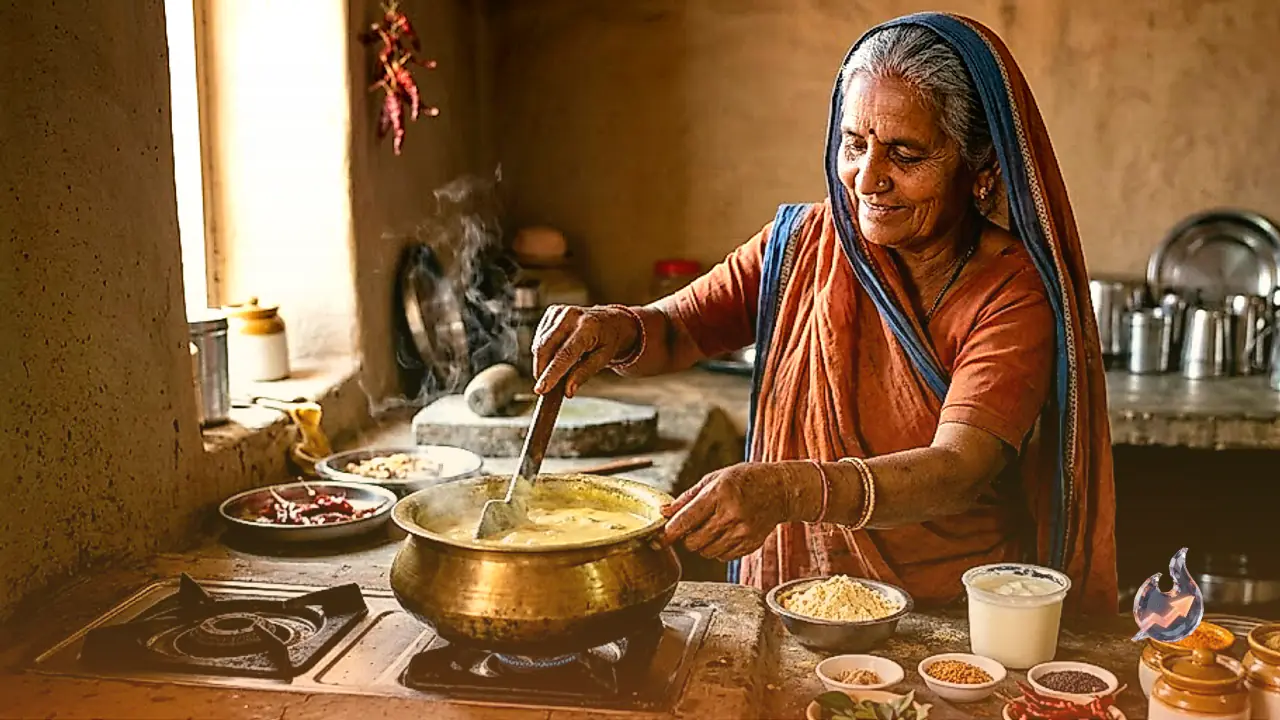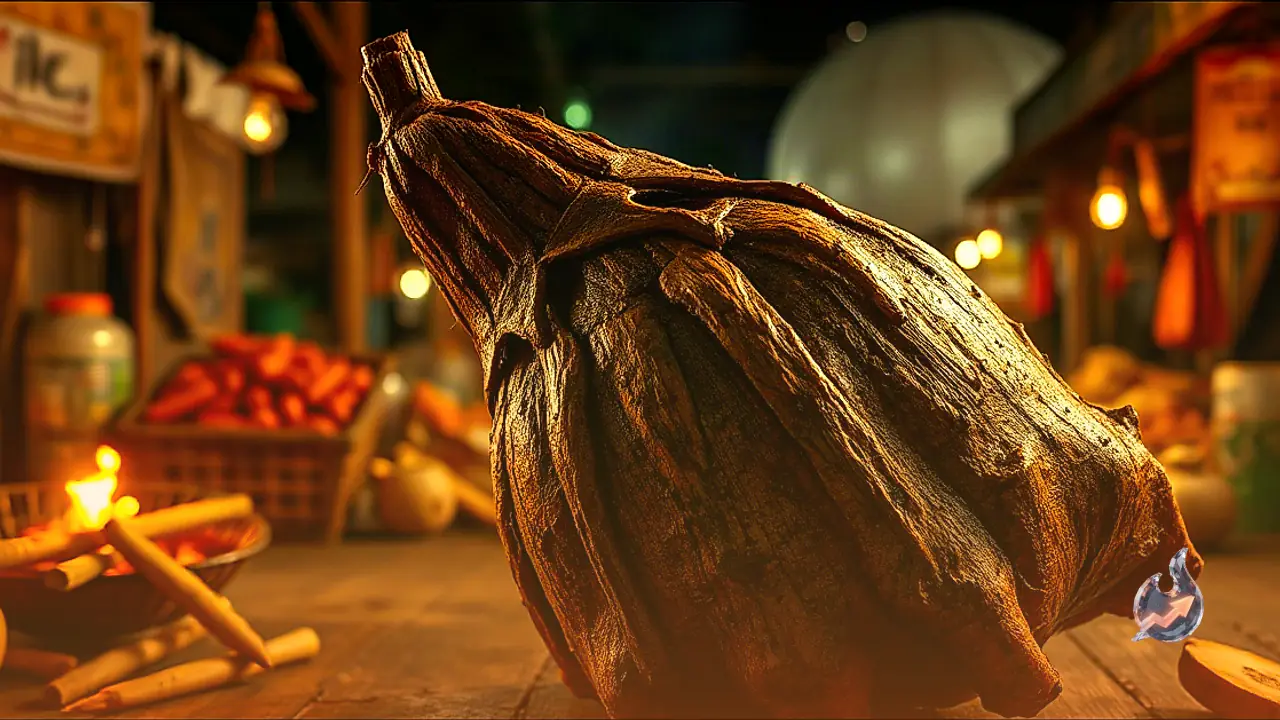























In daily home cooking, vegetable trimmings and peels almost always end up straight in the waste bin. When preparing ridge gourd, commonly known as torai, most households routinely discard the fibrous outer skin. However, this common kitchen scrap can be transformed into a distinct and flavorful dry side dish. Cooked with everyday household spices and diced potatoes, ridge gourd peels yield a savory preparation that not only enhances the daily dining spread but also helps minimize food waste. Culinary specialist Savita Srivastava notes that rather than treating these vegetable trimmings as useless rubbish, home cooks can easily turn them into an appetizing accompaniment using a straightforward preparation process.
Proper Cleaning and Slicing of the Peels
The foundation of this preparation relies entirely on thorough cleaning and fine knife work. Once the ridge gourd is peeled, rinse the collected outer skins under running water two to three times to wash away any traces of surface dirt. Allow the excess moisture to drain before chopping. Using a sharp kitchen knife, shred the peels into very thin, uniform strips. Avoid leaving large or overly thick pieces attached, as dense peel portions take much longer to soften. If the skin feels somewhat tough or fibrous, chop it even finer to ensure it tenders properly during cooking. Adding finely diced potatoes alongside the chopped peels is an excellent option, as potatoes balance the texture and enrich the overall flavor of the dry preparation.
Essential Ingredients and Spice Blend
This dish does not demand elaborate cooking techniques or rare seasonings. The required ingredients include pure mustard oil, cumin seeds, asafetida, finely chopped green chilies, chopped onions, salt to taste, turmeric powder, coriander powder, red chili powder, and standard vegetable spice blend. The use of mustard oil provides the traditional pungent depth that complements green vegetable peels especially well.
Step-by-Step Cooking Technique
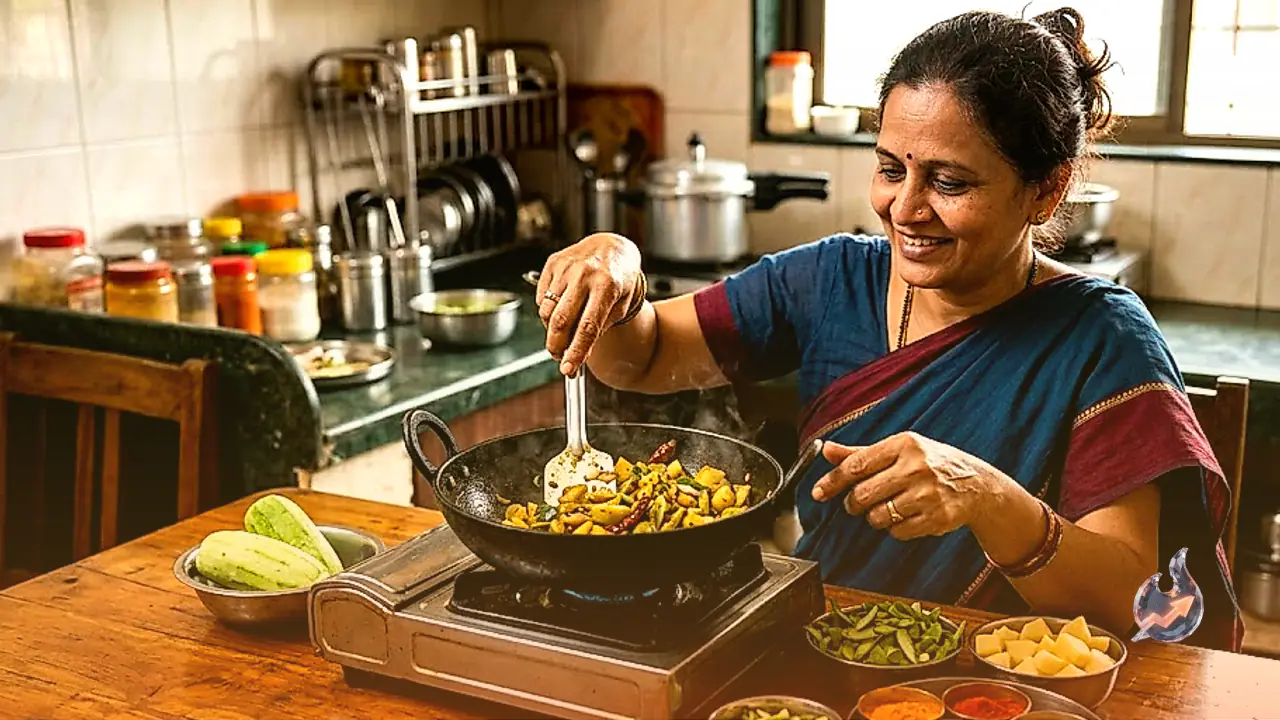
Begin by placing a heavy-bottomed pan or wok over medium heat. Pour in roughly two tablespoons of mustard oil and let it heat until it reaches a shimmering point. Once the oil is hot, lower the flame and add half a teaspoon of cumin seeds. Follow immediately with a pinch of asafetida, then tip in the chopped green chilies and sliced onions. Sauté the mixture gently over medium-low heat until the onions turn translucent and develop a light golden hue.
As soon as the onions achieve a golden shade, introduce the ground turmeric, coriander powder, and red chili powder. Ground spices can scorch rapidly in hot oil, so stir them swiftly for only a few seconds before tipping the chopped ridge gourd peels and potatoes into the pan. Stir everything thoroughly so that the oil and aromatics evenly coat every strip of the chopped peel.
Season the mixture with salt according to your taste. Salt draws out the natural moisture from the peels, helping them cook in their own juices. Cover the pan with a tight-fitting lid and allow the vegetable to simmer gently over a low flame. Lift the lid occasionally to stir the contents, preventing the mixture from sticking to the bottom. Over several minutes, the peels will gradually soften and cook through. If the pan appears completely dry while the peels remain tough, sprinkle in just one or two teaspoons of water. Resist adding any significant volume of liquid, as excess water ruins the desired crisp, dry texture of the dish.
Finishing Touches for Enhanced Flavor
Once the peels are completely tender and all residual moisture has fully evaporated, slightly raise the heat. Stir-fry the mixture uncovered on medium-high heat for a few minutes. This final searing step brings a slightly crisp edge and deepens the roasted flavor of the spices. Before taking the pan off the stove, you can stir in a small pinch of dry mango powder or a squeeze of fresh lemon juice to supply a sharp, appetizing tang. Garnish the finished preparation with freshly chopped coriander leaves. This spiced peel preparation pairs exceptionally well with warm rotis, layered parathas, or as a textured accompaniment to simple steamed rice and dal.