





















The demand for South Indian delicacies across Uttar Pradesh has seen a massive surge, with dishes like idli, dosa, vada, and sambar becoming top culinary choices for locals. In the Nauka Vihar area of Gorakhpur, South India native Surya Dinesh Reddy is serving traditional idli and dosa to enthusiastic food lovers. Speaking about the craft of making the perfect dosa, he explains that achieving a restaurant quality result requires much more than just a good batter. According to him, the selection of spices, the preparation of the potato filling, and the harmony of chutneys play equally crucial roles. By paying attention to a few fundamental culinary details, anyone can recreate crispy and flavorful dosas right in their home kitchen.
Enhancing Flavor with Fresh Garlic, Onion, and Roasted Spices
To elevate the taste profile of dosa, Surya Dinesh Reddy emphasizes the meticulous preparation of spice mixtures. He highlights that incorporating fresh onions and garlic brings out a rich aroma and deep flavor in the dish. Grinding these two fresh ingredients into a fine paste before blending them with the spice mix enhances the overall taste significantly. Furthermore, he recommends a specific technique for whole spices. Instead of cooking whole spices on high heat or burning them, they should be lightly roasted over a low flame. Light roasting preserves the essential aromatic oils within the spices. Once roasted, these spices are ground into a smooth paste and incorporated into the potato mixture, yielding a deeply aromatic filling.
The Technique for Crafting Ideal Potato Filling
The defining element of a classic masala dosa is its spiced potato filling. Many home cooks make the mistake of combining boiled potatoes directly with raw spices, which prevents the flavors from fully melding. Surya Dinesh Reddy advises that boiled potatoes should be lightly sautéed with spices for a short duration before final assembly. This sautéing step allows the potato starch to absorb the spice oils evenly, creating a far more delicious stuffing. Achieving a balanced spice ratio is equally essential. An overly spicy filling overpowers the subtle fermented taste of the dosa, while an under-seasoned mix leaves the dish dull and bland.
Pairing Fresh Coconut Chutney and Specialty Condiments
A properly paired chutney completes the dosa experience, with classic coconut chutney remaining the most popular choice. Preparing this condiment requires blending fresh coconut pieces, green chilies, and ginger into a smooth paste. Adding a pinch of salt and light seasoning further elevates its natural taste. Beyond traditional coconut chutney, serving red chutney or a special spicy masala chutney offers varied flavor dynamics. Offering multiple chutney options alongside the crisp dosa enhances the overall dining presentation and taste experience.
Controlling Tava Temperature and Spreading Thin Batter
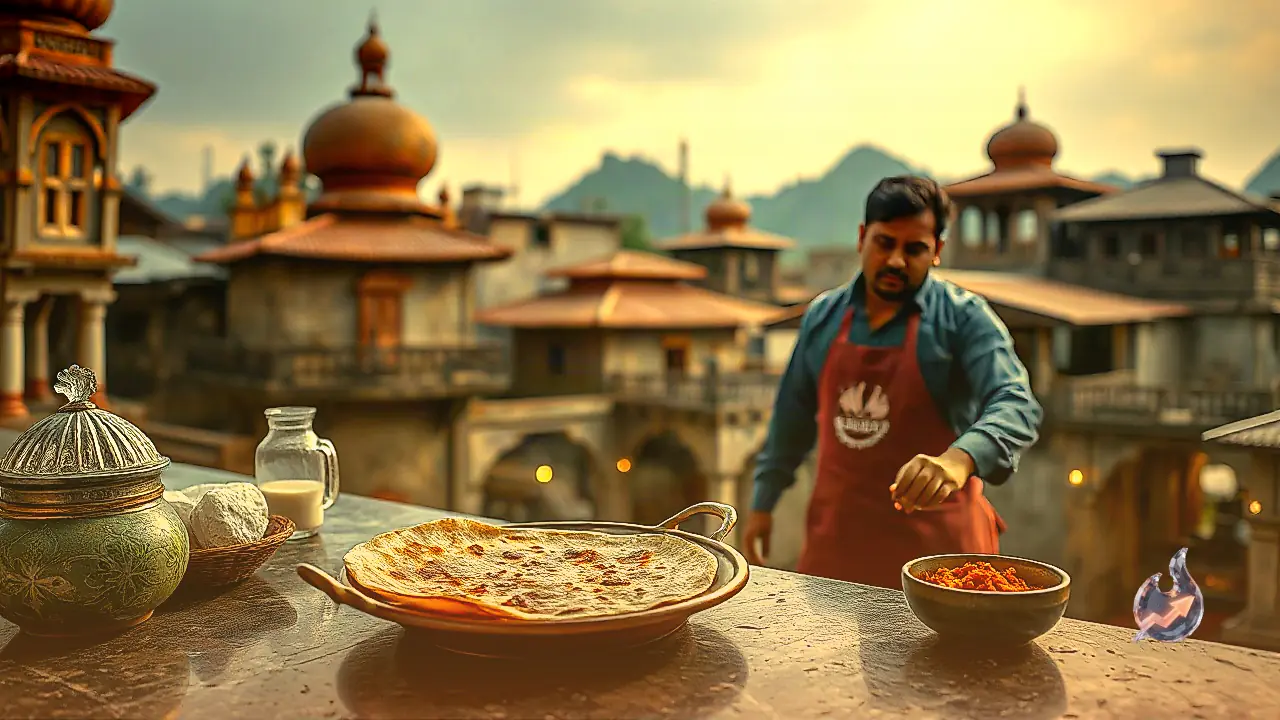
Mastering pan temperature and batter spreading technique is the final secret to achieving optimal crispness at home. Surya Dinesh Reddy explains that the cooking surface or tava must reach a sufficiently hot temperature before pouring any batter onto it. Pouring batter onto an inadequately heated tava causes sticking and prevents crisping. Once the batter is poured, it should be spread swiftly into a thin, uniform circular layer. A thick layer yields a soft and heavy texture, whereas a thin application ensures a light, crispy crunch. The combination of well-fermented batter, balanced spice paste, sautéed potato filling, and precise pan heat guarantees home-cooked dosas that rival popular restaurant standards.