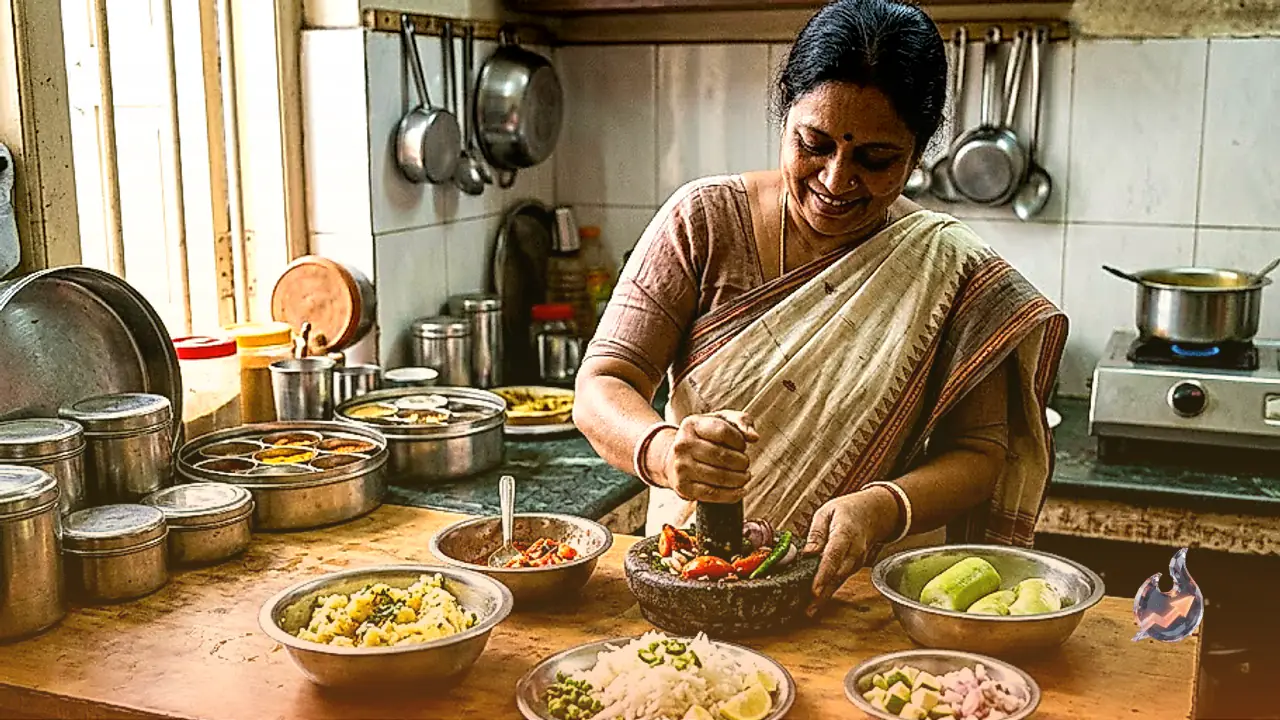























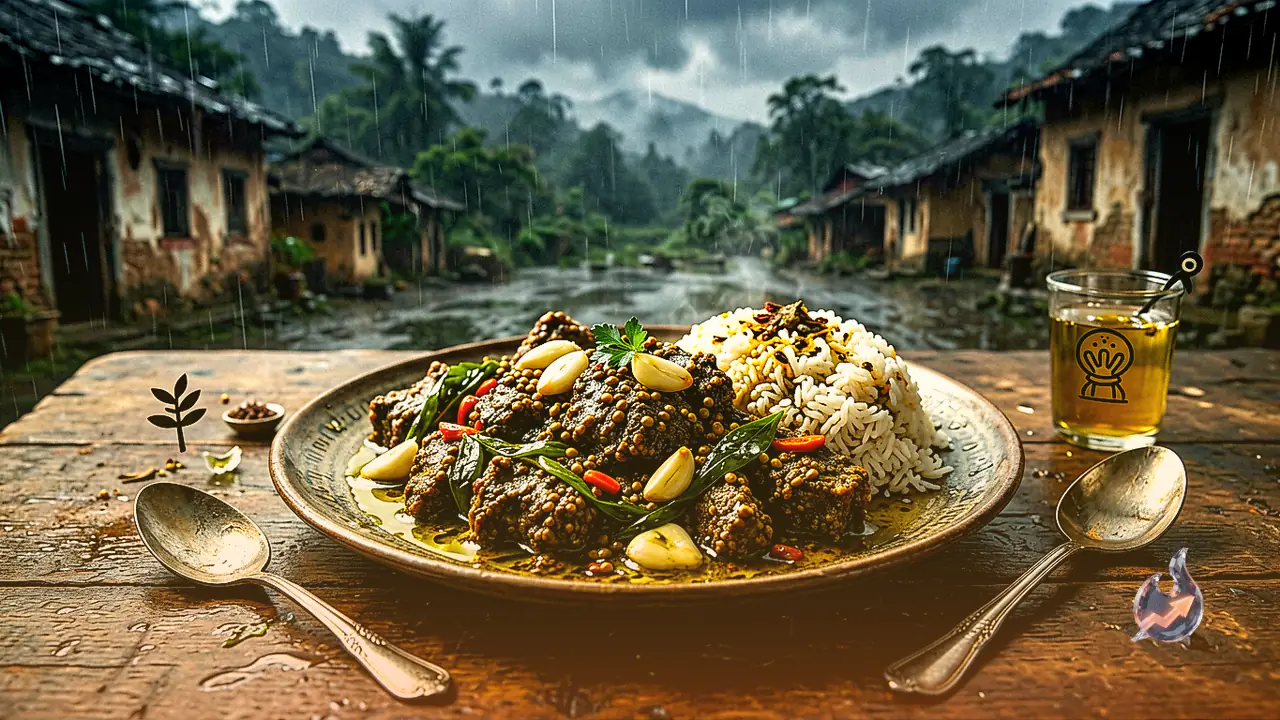

Traditional regional cuisine in Chhattisgarh places significant value on seasonal local vegetables, particularly during the monsoon months. Households across rural and urban areas frequently prepare kochai sabzi when the rainy season arrives. Crafted with a tempering of mustard oil, garlic, green chillies, onions, and local spices, this dish offers a spicy and remarkable flavor profile. In local culinary traditions, this preparation is enjoyed eagerly alongside freshly cooked rice and rotis, elevating everyday meals during wet weather.
Preparation and Cleaning Steps
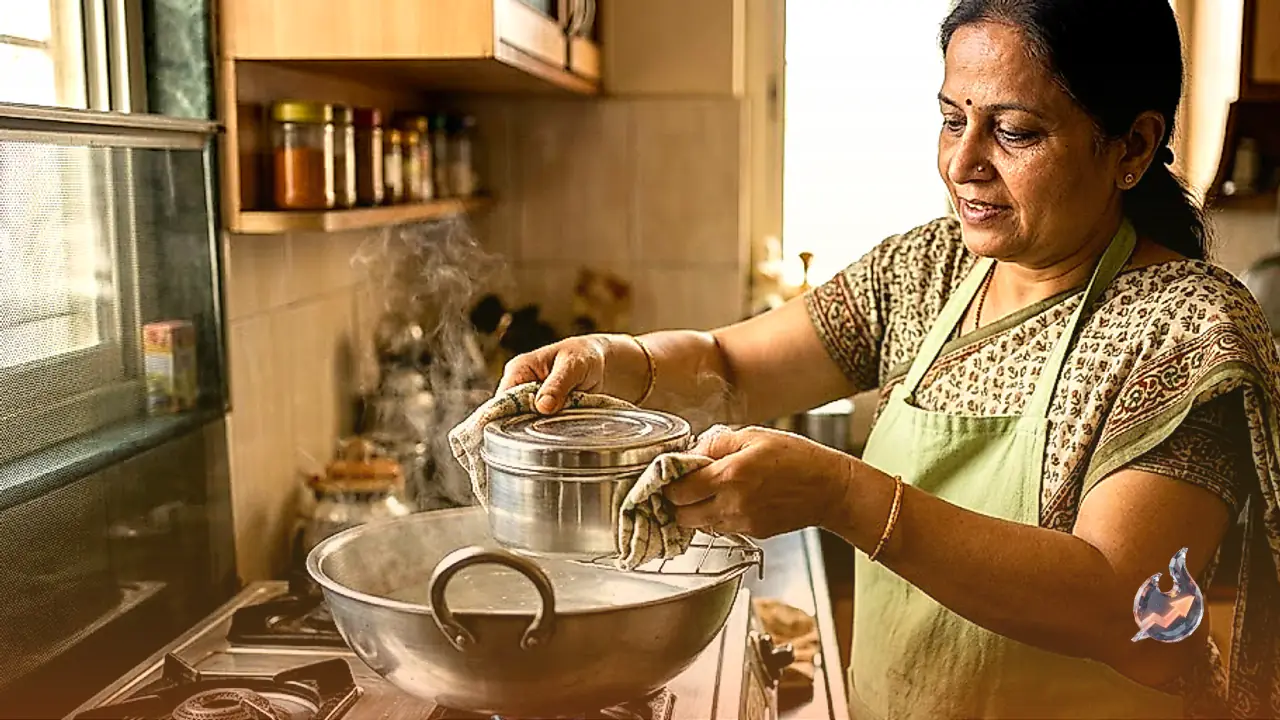
The cooking process begins with the careful cleaning of the kochai tubers. The outer skin must be peeled off before cutting the vegetable into manageable, smaller pieces. These pieces need to be washed thoroughly with clean water. Complete cooking is vital because consuming undercooked kochai can trigger irritation, itching, or a burning sensation in the mouth and throat.
The Essential Mustard Oil and Garlic Tempering
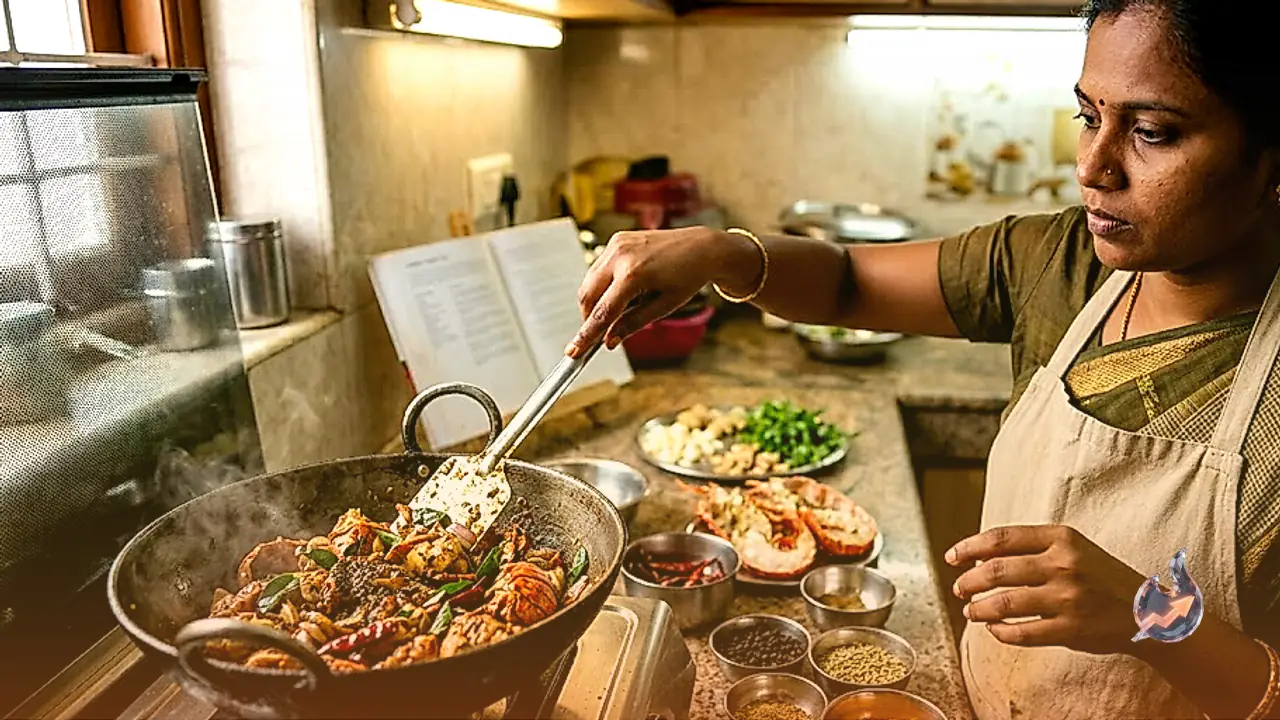
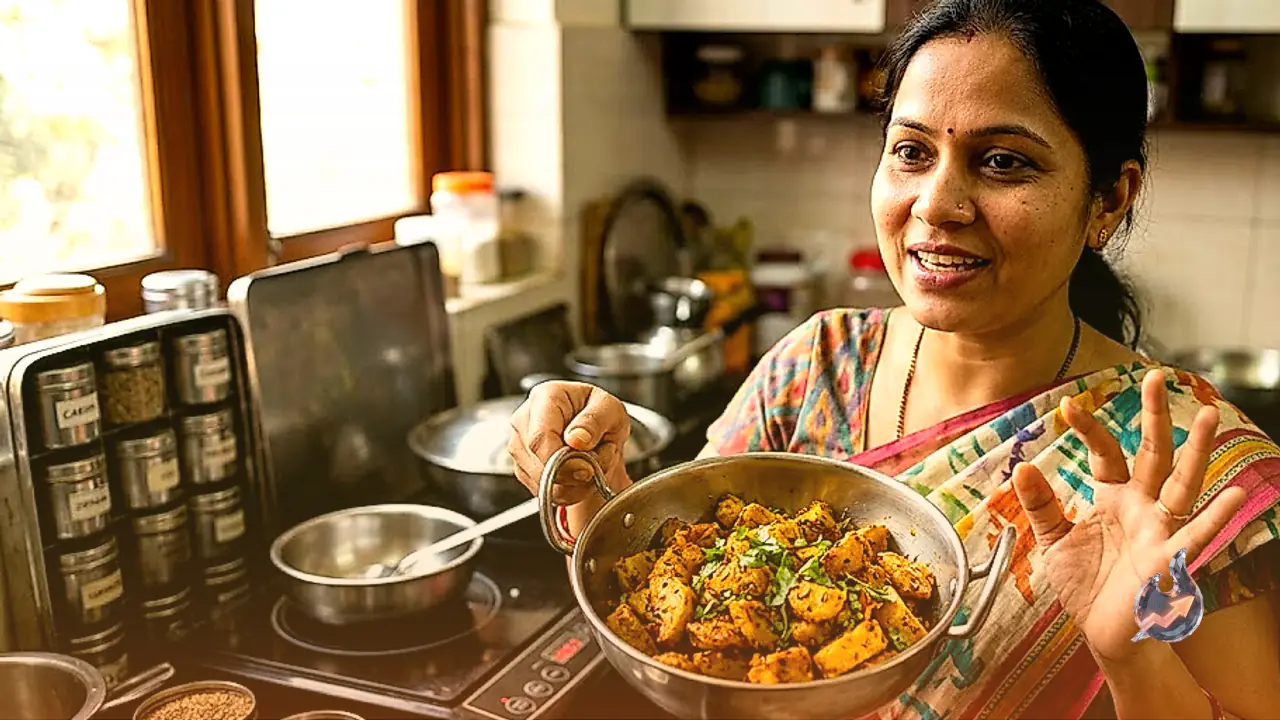
Heat mustard oil in a cooking pan until it reaches the right temperature. Once hot, add mustard seeds or cumin seeds, garlic, green chillies, and finely chopped onions, sautéing them until they turn light golden. Introduce the chopped kochai pieces into this aromatic base. The combination of mustard oil and garlic gives the recipe its signature traditional taste.
Slow Cooking for Perfect Softness
After mixing the kochai thoroughly with the tempering, cover the pan and let the contents cook on a low flame. Stir periodically to prevent the ingredients from sticking to the bottom and to ensure uniform cooking. Continue this process until the pieces become completely tender, adding a small amount of water if necessary to aid softening.
Adding Tomatoes and Spices for Tangy Flavor
Once the kochai softens, incorporate chopped tomatoes along with turmeric powder, red chilli powder, coriander powder, and salt according to personal taste, mixing everything well. Allowing the mixture to cook for a short while lets the spices blend deeply into the vegetables, enhancing the overall flavor.
Serving Traditions and Safety Guidelines
In local dining customs, kochai sabzi is paired with both rice and flatbreads. It tastes particularly delightful when served alongside steaming hot dal and rice. Accompaniments like green chillies, tomato chutney, or other regional dips complete the meal. Always ensure the vegetable is cooked entirely before consumption, as raw or half-cooked pieces cause throat discomfort. Properly prepared, this dish remains a cherished part of the monsoon food culture in the region.