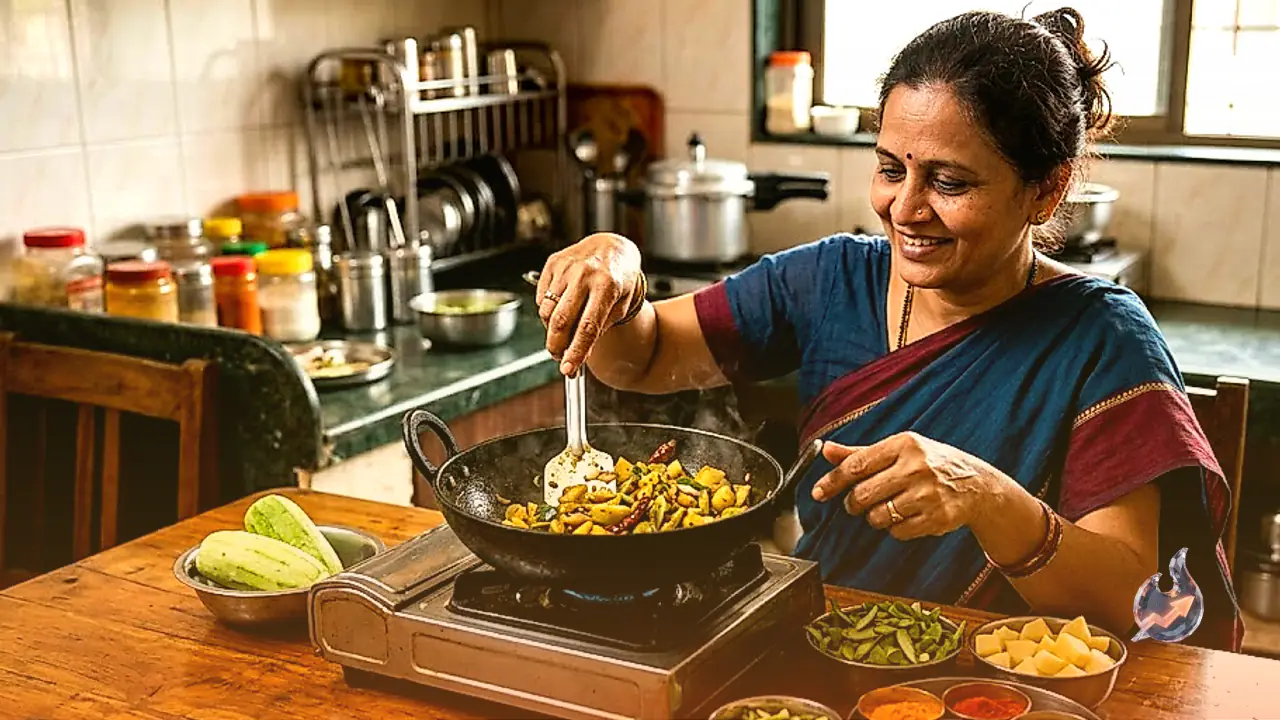
























In traditional herbal practices, moringa has long been valued for its remarkable health-promoting qualities that rival standard dietary supplements. The plant grows easily in home containers or outdoor gardens, and fresh bundles are readily available in local vegetable markets. While many people cook greens for a single meal and discard the remnants, a mindful approach allows you to yield two nutritious items from one batch of leaves. By first simmering the chopped greens into an invigorating herbal tea, the strained residue can immediately be repurposed into savory flatbreads, ensuring not a single bit of botanical nutrition goes to waste.
Initial Washing and Prep Work
Begin the process by selecting fresh, vibrant green moringa leaves. Rinse them thoroughly in clean water to dislodge any dirt or environmental residue that may have settled on the foliage. Once the excess moisture has drained off, arrange the leaves on a board and chop them finely using a sharp kitchen knife. Transfer these chopped greens to a stone mortar or small pestle setup and crush them lightly. Bruising and pounding the foliage opens up the plant cells, allowing the internal herbal essence and valuable compounds to release smoothly into the cooking liquid.
Brewing the Herbal Moringa Infusion
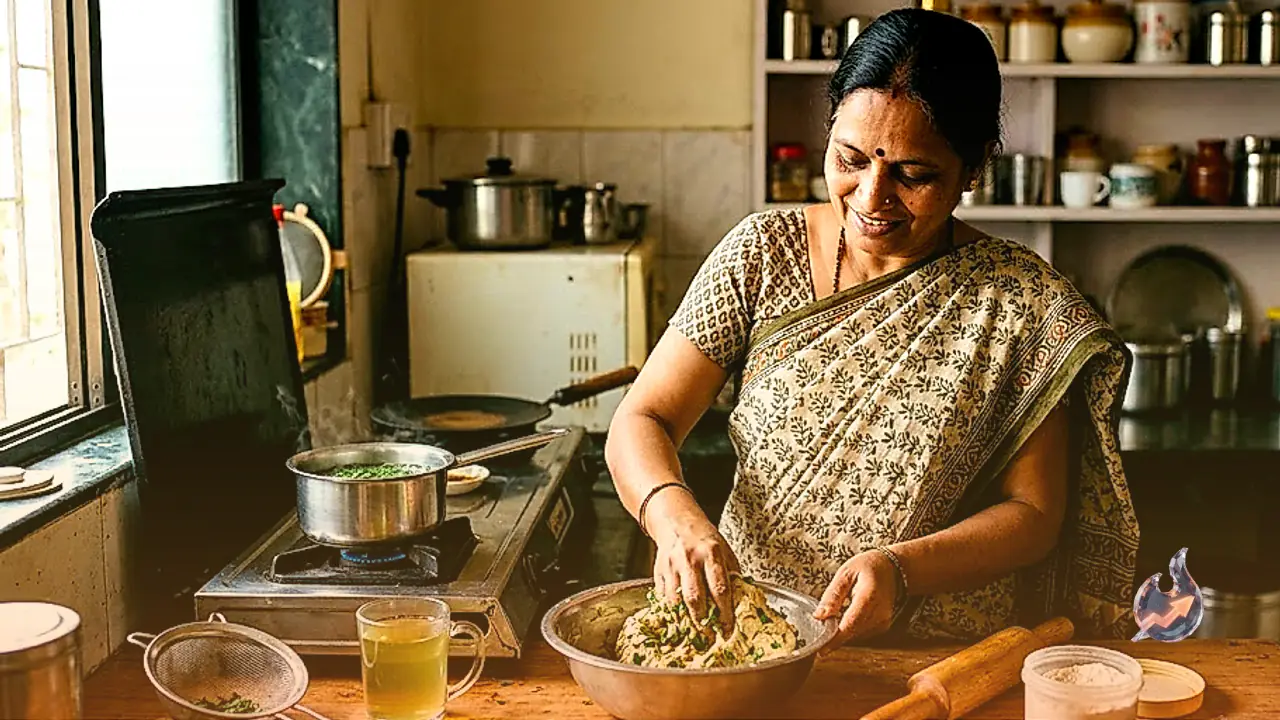
To brew the beverage, pour 1 glass of fresh water into a small cooking pan and place it over heat. Add approximately 1 fistful of the chopped and pounded moringa leaves into the water as it begins to warm. Maintain a steady simmer and allow the liquid to cook down slowly until only 1 cup of concentrated brew remains. Once the volume reduces to 1 cup, turn off the flame and pour the hot infusion through a fine wire strainer into your mug. The drink is pleasant on its own, though adding a dash of lemon juice, a pinch of chaat masala, and a spoonful of honey enhances its flavor profile. Set aside the soft, strained leaves left in the mesh for the next stage.
Transforming Leftover Greens into Wholesome Flatbreads
Instead of disposing of the boiled greens trapped in your strainer, integrate them directly into your staple cooking. Mix these tender, cooked leaves into a portion of whole wheat flour suited to your household needs. To elevate the aroma, texture, and taste of the bread, introduce a light pinch of salt, a sprinkle of carom seeds, and a spoonful of chickpea flour into the dry mix. Work the ingredients into a pliable, smooth dough using small splashes of water as needed, then roll out and griddle nutritious parathas or plain rotis on a hot pan. Retaining the fibrous cooked leaves supports gut health and digestion while ensuring the complete spectrum of botanical nutrients reaches your plate.