























Traditional Rajasthani cuisine has long been celebrated for recipes that transform basic pantry items into deeply flavorful meals with minimal effort and cooking time. Among these heritage dishes, papad dana methi sabji holds a special place, particularly across the rural communities of Jalore where it continues to be prepared in its authentic, rustic style. During the monsoon season, when supplies of fresh leafy vegetables often dwindle or become difficult to source in local markets, households routinely turn to shelf-stable ingredients like dry fenugreek seeds and roasted papad. The biggest appeal of this dish lies in its sheer simplicity, requiring no exotic supplies or lengthy cooking procedures. It comes together quickly using just standard kitchen spices and a tiny amount of oil.
Nutritional Simplicity and Culinary Tradition
Homemaker Preeti Sain explained that this dish has been a staple in local kitchens for generations. According to her, preparing the meal requires minimal provisions while delivering exceptional flavour. She noted that whenever fresh vegetables become difficult to procure, this curry can be whipped up quickly using everyday staples already stored at home. Best served alongside hot rotis straight off the tawa, it is considered very gentle on the digestive system, which cements its standing as an indispensable part of traditional Rajasthani culinary heritage.
Boiling Fenugreek and Crafting the Base Gravy
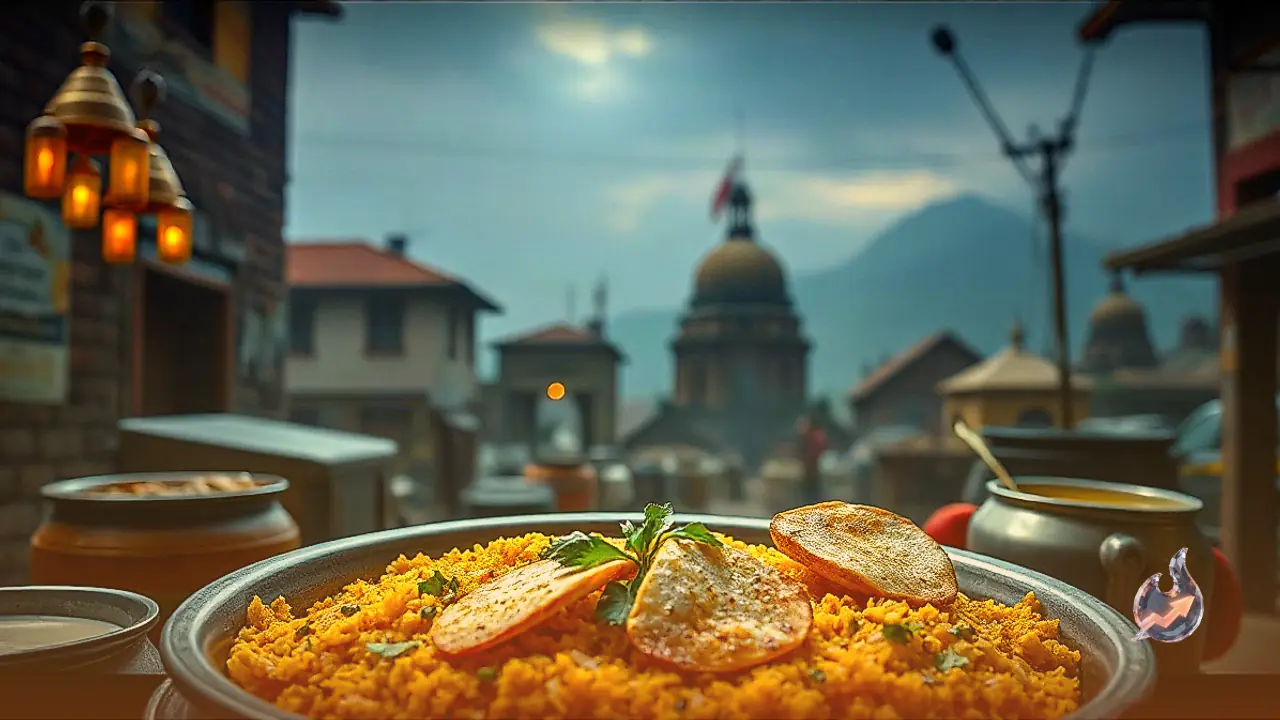
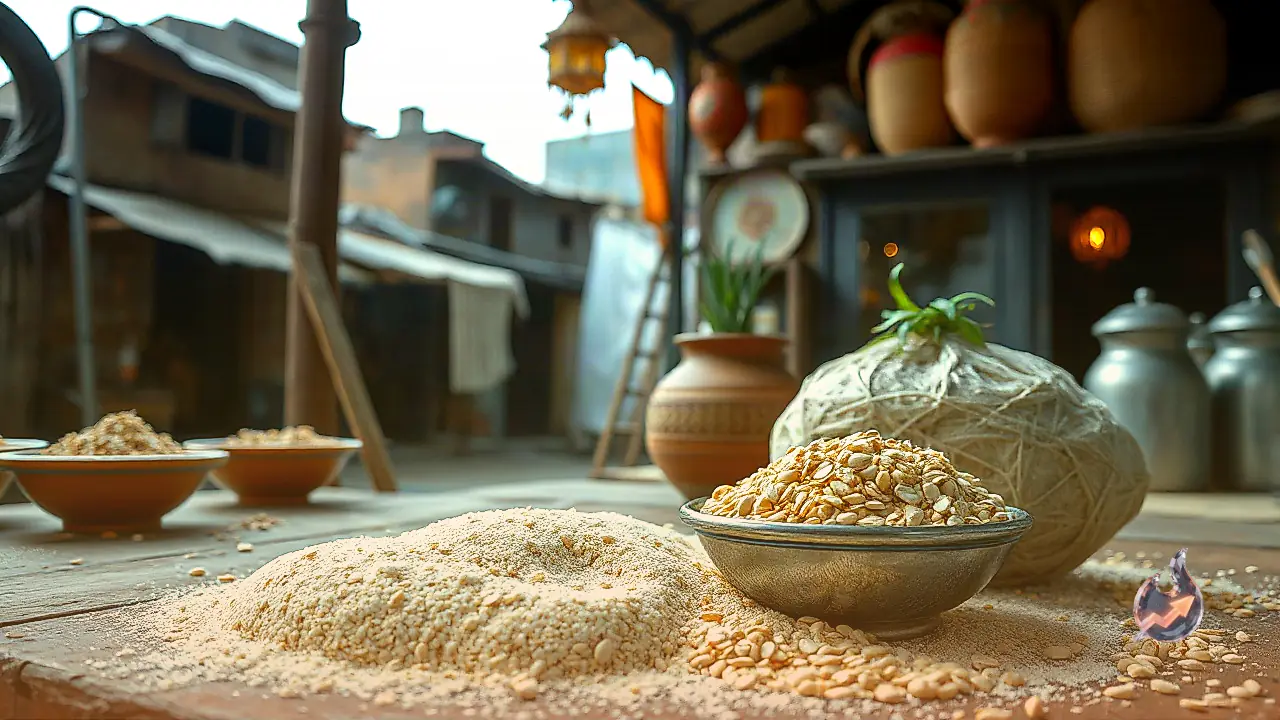
The preparation method remains remarkably straightforward even for novice cooks. The cooking begins by boiling the whole fenugreek seeds (dana methi) in water until they soften. In a separate pan or kadhai, a modest amount of cooking oil is heated, into which crushed garlic is introduced to create an aromatic tempering. Once the garlic turns fragrant, routine household ground spices are added and sauteed patiently until thoroughly cooked and fragrant. The boiled fenugreek seeds are then gently mixed into the roasted spice base. A measured amount of water is poured in, allowing the curry to simmer and boil steadily so the aromatic spices integrate completely with the distinctive earthy undertones of the fenugreek.
The Finishing Touch of Roasted Papad
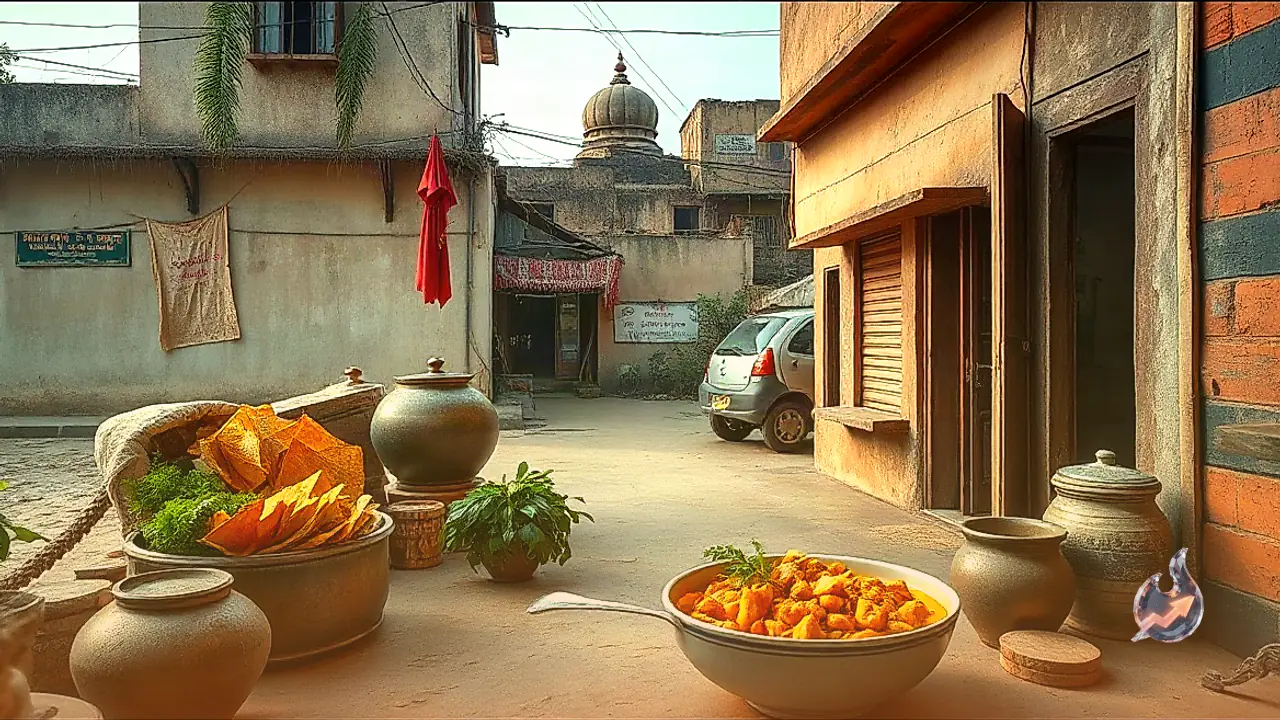
The defining element of this preparation is the addition of papad, which requires a specific technique to preserve its unique texture. The papad is first roasted over an open flame until crisp and then broken into bite-sized pieces. Only after the fenugreek curry has simmered thoroughly and the spice blend has reached full maturity are the roasted papad pieces scattered into the simmering kadhai. Crucially, the curry is not left to cook any further once the papad is incorporated; the stove is turned off immediately. Leaving the pan over the flame after adding papad would cause it to over-soften and turn soggy, losing its crisp structural appeal. Submerged in the residual heat of the hot curry, the papad softens just enough while imparting a distinct savoury taste. Across the rural hamlets of Jalore, such authentic dishes continue to preserve the authentic rustic flavors of Rajasthan.