























Dal finds its way onto the Indian table every single day, whether as dal chawal, dal roti, or khichdi. It is a staple that almost every household relies on. The challenge, especially on busy days, is that dal takes time to cook properly. When people try to rush it without knowing how, both the taste and the texture pay the price. The good news is that with a few well-chosen habits, dal can be cooked faster without giving up any of its familiar, comforting flavor.
Dry Roast the Dal Before You Start
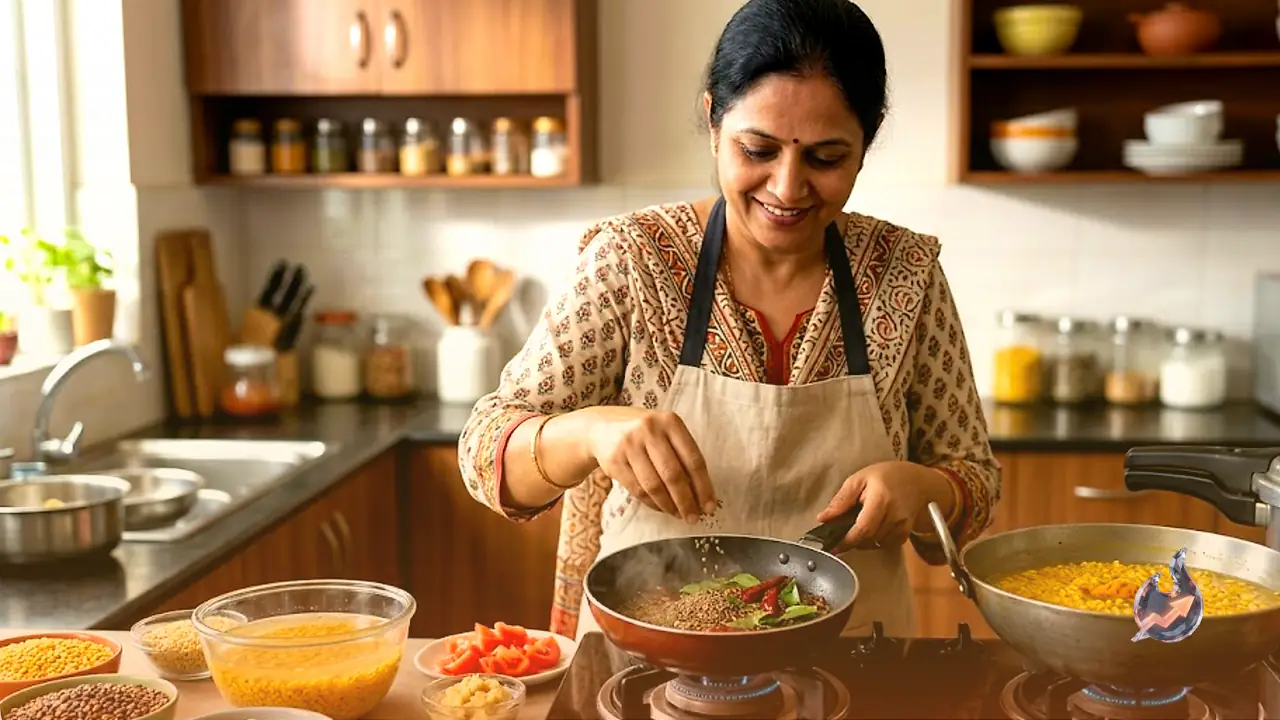
Before adding water to the pot, spread the dal in a dry pan and roast it on the flame for two to three minutes without any oil. This step drives out the extra moisture from the grains, which helps them break down faster once they start boiling. There is an added benefit: the dry roasting gives the dal a gentle, nutty aroma that makes the finished dish taste noticeably better.
Choose the Right Variety for Faster Results
When time is short, the choice of dal makes a real difference. Smaller, skinless varieties like masoor dal, moong dal, and arhar dal cook far faster than whole chana dal or whole urad. For everyday meals, these are the smarter options because they reach the right softness without demanding too much time or fuel.
Give It a Light Mash Partway Through
If the dal is taking longer than expected, use a ladle or a hand blender to lightly mash it after about 10 to 15 minutes of cooking. This breaks the grains down just enough to help them cook through more quickly and gives the dal a creamier, smoother texture in the process. The goal is a gentle mash, not a paste, so there is no need to overwork it.
Hold Off on the Salt Until the End
A very common habit is to add salt right at the start, but this actually slows the cooking down. Adding salt early makes the lentil grains take longer to soften. The better approach is to wait until the dal is fully cooked, then season it to taste. The dal will be ready sooner and the salt will absorb more evenly into the dish as well.
Acidic Ingredients Go in Last
Tomatoes, tamarind, and lemon juice all contain acids that toughen the outer skin of lentils and prevent them from softening at their natural pace. The fix is simple: cook the dal completely first, then stir in any sour ingredients. This saves time on the cooking side and keeps the tartness tasting bright and fresh rather than cooked out.
One Tiny Pinch of Baking Soda
Adding just a single small pinch of baking soda to the whole pot can noticeably speed up how quickly the dal softens. The quantity needs to stay very small because using too much baking soda can change the color of the dal and leave an off taste behind. A tiny pinch is genuinely all that is needed.
Small Mistakes That Add Unnecessary Time
A few common errors regularly slow dal down without cooks realizing it. Always wash the dal thoroughly before putting it on the stove. Avoid adding more water than the dal actually needs, since excess water extends cooking time. Never add tomatoes or tamarind from the beginning. And when the dal first goes on the heat, let it come to a rolling boil on high flame before turning it down to simmer.
Lift the Flavor After Cooking
Getting the dal cooked quickly is only part of the job. To finish it properly, make a tadka in desi ghee with cumin seeds, garlic, onion, or asafoetida, pour it over the cooked dal, and finish with a generous amount of fresh coriander. If the dal has thickened too much, loosen it with hot water rather than cold, as cold water can dull both the texture and the flavor of the dish.
Cook Smarter and Save Time Every Day
Faster dal is not purely about pressure cookers and high heat. Knowing when to add each ingredient, picking the right variety of lentil, and following the correct sequence makes a consistent and meaningful difference. Once these habits become part of the daily routine, dal comes together in less time, tastes just as good as it always has, and the whole cooking process feels less demanding without any compromise on the final result.