





















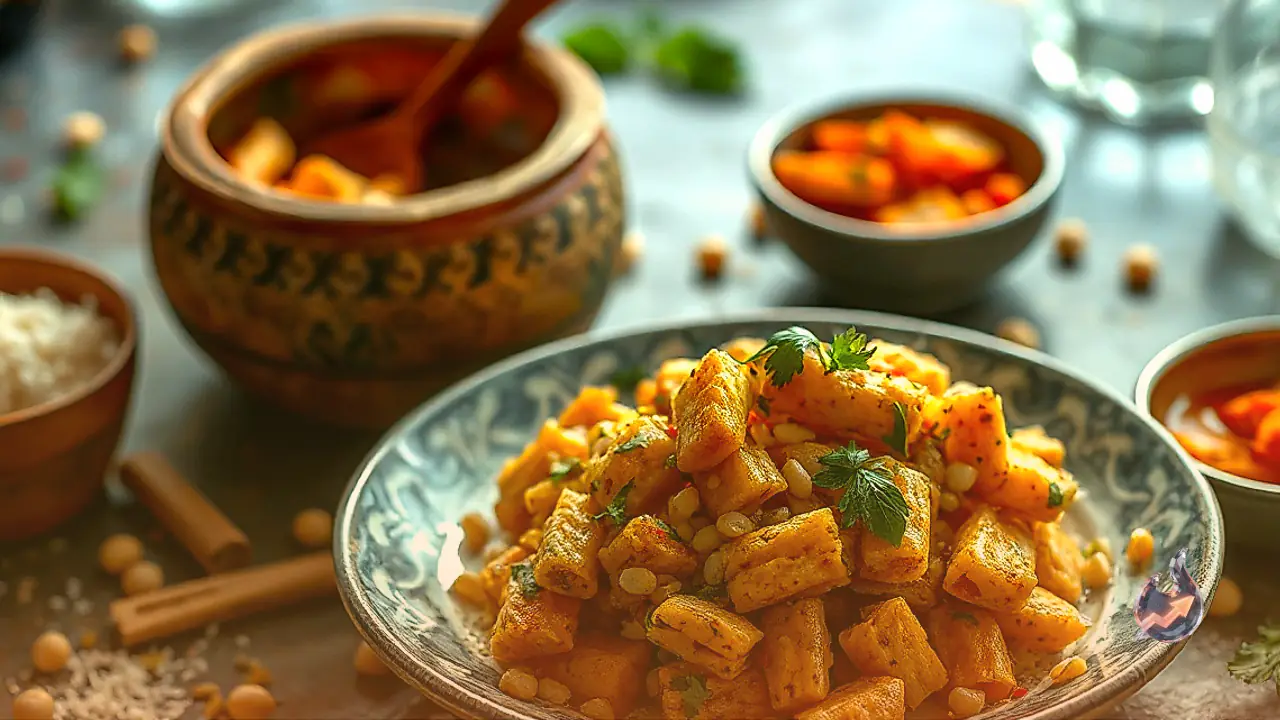

The holy month of Sawan brings pleasant monsoon rains and cool breezes, prompting many households to crave unique and comforting home-cooked meals. During these rainy days, there is a natural desire to prepare something distinct in flavor yet straightforward to cook. If you are looking for a special regional delicacy this season, the famous Haryanvi Besan Khandali sabzi is an ideal choice. Prepared using roasted gram flour, this dish features diamond-cut pieces that closely resemble traditional barfi sweets. After being set and sliced into neat geometric portions, the gram flour pieces are simmered in a rich, spiced gravy. Once you taste this authentic North Indian preparation, it will quickly become a recurring item on your rainy-day menu.
Initial Ingredients and Balancing the Dry Spices
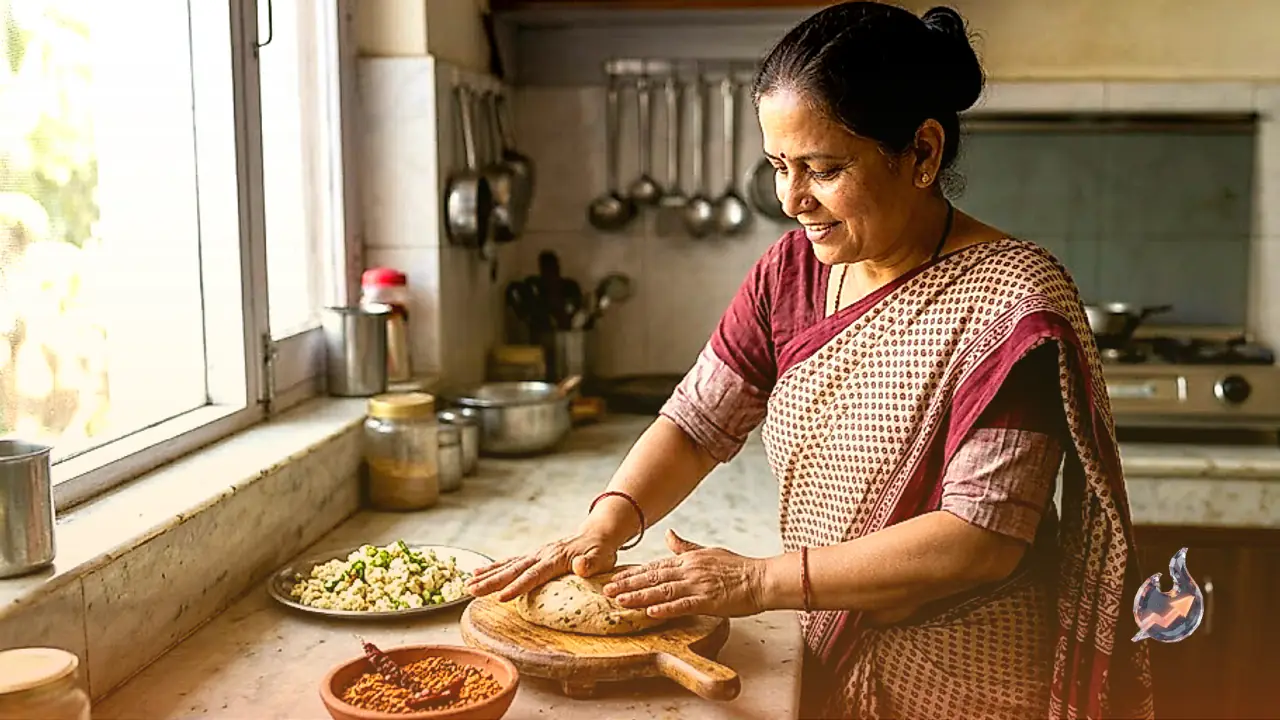
Vandana Jha, a resident of Faridabad Sector-62, explains that the foundation of a flavorful Khandali lies in proper balance during the initial preparation stage. The process begins by measuring an adequate quantity of gram flour (besan) in a mixing bowl. Salt is added according to personal taste, followed by a pinch of turmeric powder for vibrancy and red chili powder for balanced heat. These dry ingredients are thoroughly blended together so that the seasonings distribute evenly throughout the gram flour. Ensuring a uniform dry mix prevents uneven flavor spots once the cooking phase commences.
Slow Roasting Gram Flour in the Kadhai
Once the dry mixture is ready, it is transferred into a heavy-bottomed kadhai for roasting. Continuous attention is essential during this stage, as gram flour burns easily if left unattended. The heat must be maintained at a moderate level while stirring the mixture constantly with a spatula. Constant stirring prevents the flour from sticking to the bottom or scorching, which could otherwise introduce a bitter taste to the final curry. As the gram flour cooks thoroughly, it releases a rich, nutty aroma—signifying that the primary step of the recipe is complete.
Setting the Mixture in a Thali and Slicing Barfi Shapes
Immediately after roasting, the hot gram flour mixture is removed from the kadhai and spread evenly across a clean, flat thali or metal tray. It is important not to make the layer excessively thick, as it needs to be cut into clean, manageable pieces later. The mixture is allowed to cool down and firm up for a short period. Once the set gram flour hardens slightly, a sharp knife is used to slice it into neat diamond or square shapes, mirroring the appearance of homemade besan barfi. You can cut larger or smaller pieces based on preference, provided you handle the knife gently to prevent the delicate shapes from crumbling.
Preparing the Gravy Base and Roasting Spices
After all the set besan pieces are neatly sliced, they are set aside on a plate. The focus then shifts to crafting the aromatic gravy base. Oil is heated in the kadhai, and ground onion, tomato, and traditional Indian spices are introduced. Thorough roasting of the masala is crucial, as it provides the core body and depth of flavor for the Khandali sabzi. The spices are stirred continuously until they release their essential oils and the mixture separates cleanly from the sides of the pan.
Combining Besan Pieces and Simmering for 15 Minutes
Once the gravy base is fully cooked, the sliced gram flour pieces are gently folded into the roasted masala. Care must be taken during this step to handle the pieces softly, ensuring they do not break apart under heavy pressure. A measured amount of water is then poured into the kadhai. It is vital not to add excessive water, as a thin gravy can dilute the rich texture and mild nutty taste of the besan pieces. The kadhai is covered with a tight-fitting lid and left to simmer on low heat for approximately 15 minutes. During this 15-minute cooking period, the fragrant spiced gravy penetrates deep into the set gram flour pieces.
Garnishing with Coriander and Serving Recommendations
After simmering for 15 minutes, the gravy thickens and blends seamlessly with the tender besan shapes. The stove is turned off, and a generous handful of finely chopped fresh coriander leaves is sprinkled over the dish. The fresh coriander enhances both the visual presentation and the fresh aromatic appeal of the curry. Your homemade Haryanvi Besan Khandali sabzi is now ready to be served piping hot alongside fresh rotis or steaming rice, offering a heartwarming culinary experience tailored for rainy Sawan afternoons.