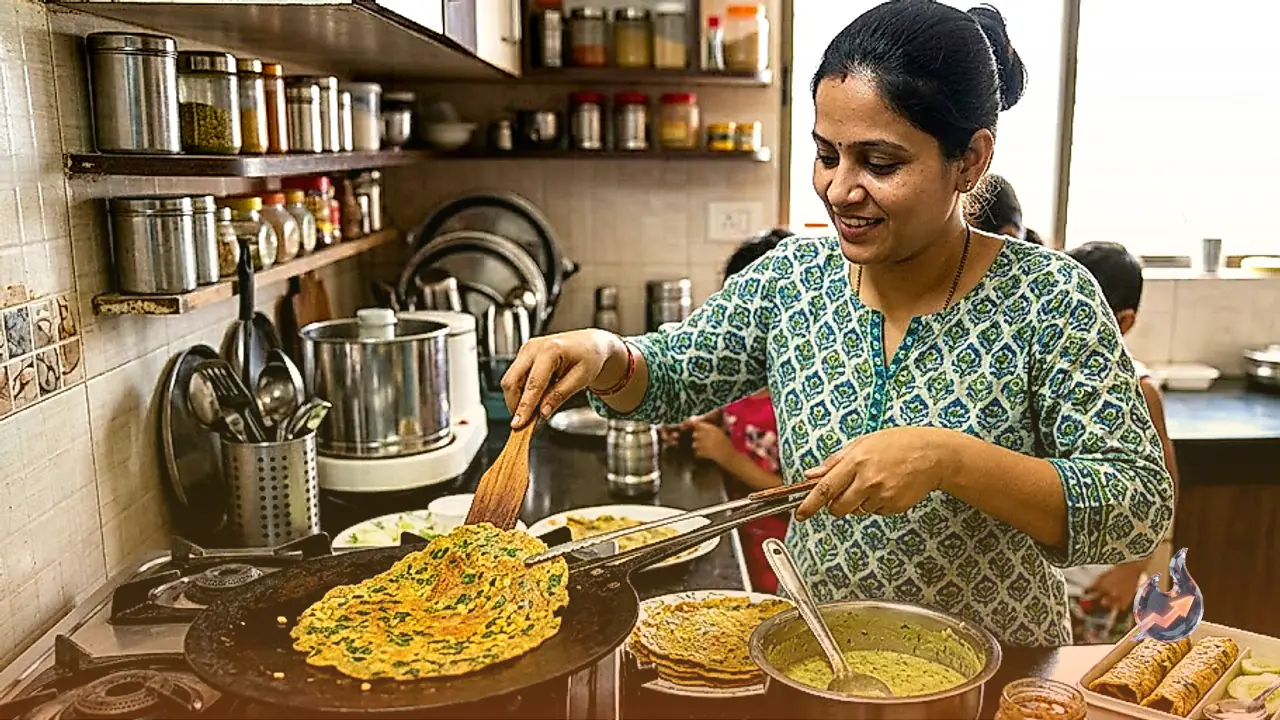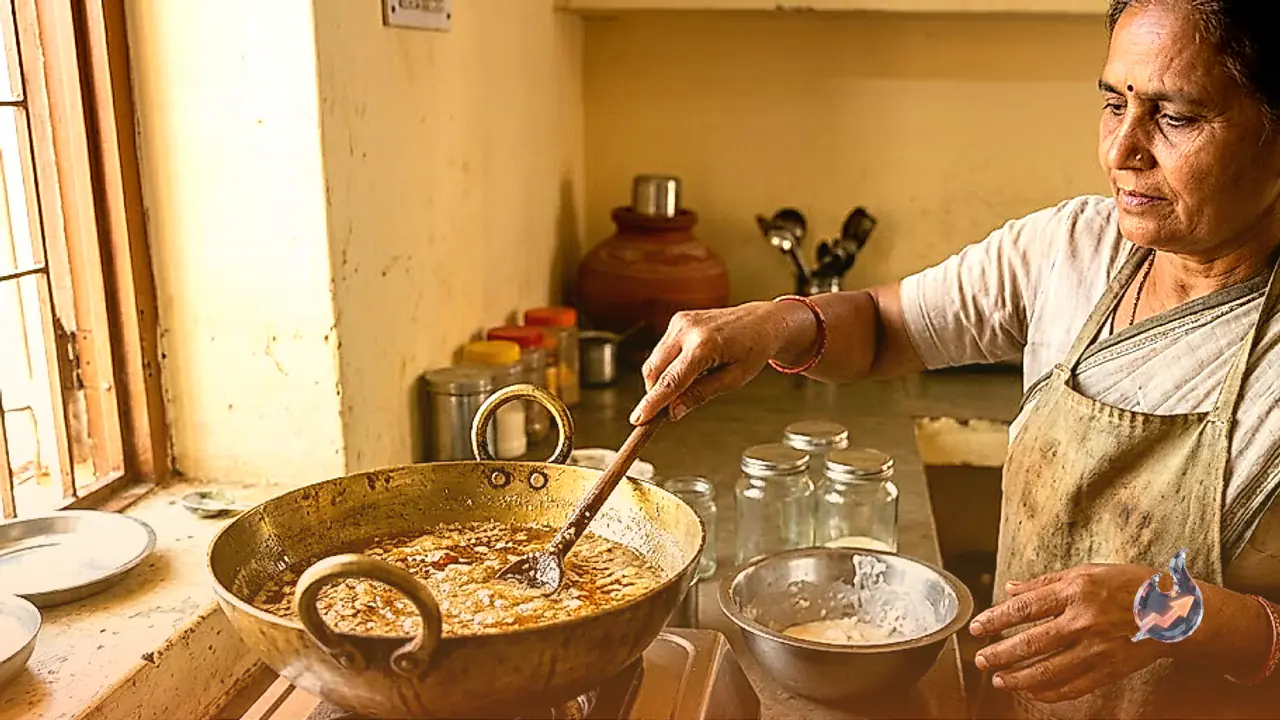























Leftover flatbreads from dinner are frequently tossed out in modern homes, yet traditional Indian cooking has long preserved ingenious methods to turn them into delectable meals. In several rural and domestic kitchens across Rajasthan, these leftover dry rotis are transformed into a savory, wholesome breakfast dish known locally as Khadbadia. Prepared with minimal effort and using simple, everyday staples readily available at home, this recipe requires neither special cooking equipment nor rare ingredients. Blended with fresh curd or spiced buttermilk, this rustic preparation provides a delightful tangy taste while serving as a practical and effective way to curb household food waste.
Rural Heritage Rooted in Farm Life
Pooja Kumari Sankhla from Bhilwara explains that in earlier times across villages and farming settlements, this preparation was an everyday ritual for farming families. Whenever farmers set out for the fields in the morning, they would submerge the dry rotis left from the previous night into pots of buttermilk before leaving home. After toiling under the sun, they would return to find the bread completely softened and soaked in flavor. Simple household spices and chopped vegetables were then mixed in, making this rustic dish exceptionally flavorful. It provided quick sustenance and energy to working farmers while keeping the body refreshed in the arid climate.
Step-by-Step Preparation Method
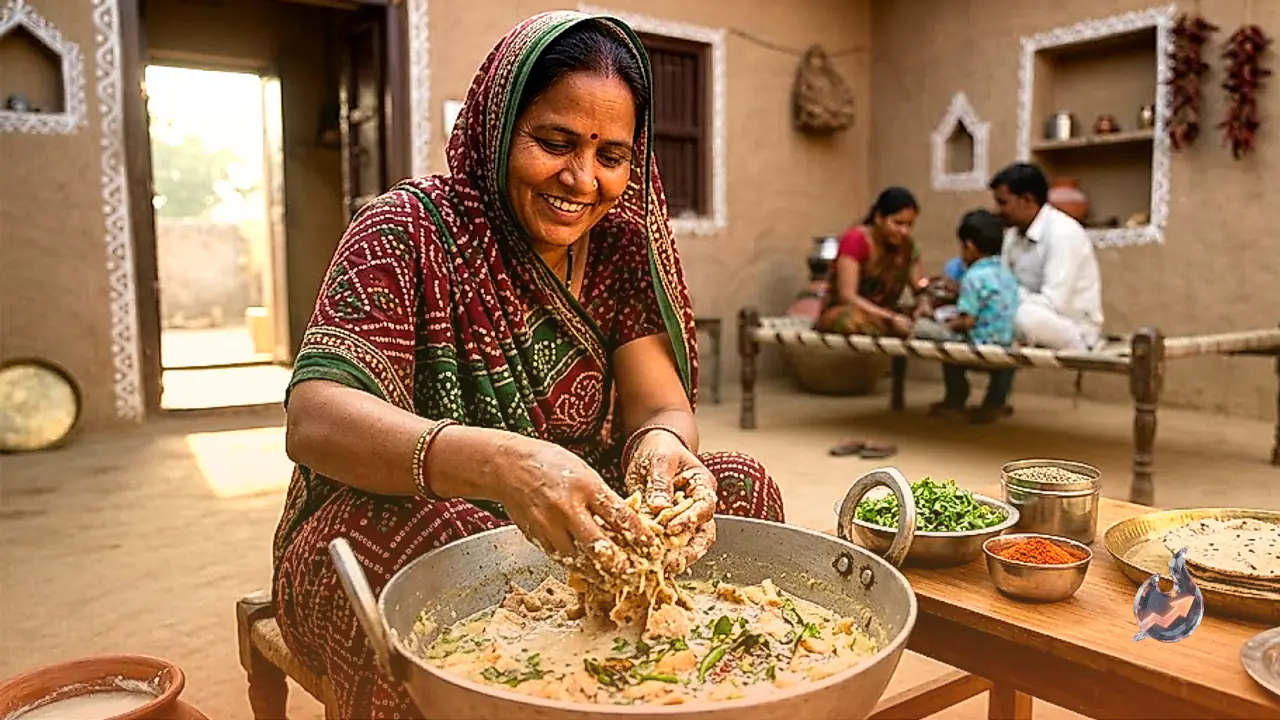
Making Khadbadia at home is remarkably straightforward and requires only a few minutes of active preparation. To begin, leftover dry rotis are torn by hand into bite-sized pieces. Next, an adequate quantity of fresh curd or buttermilk is poured into a mixing bowl, into which the bread fragments are introduced and blended thoroughly. Allowing the bread pieces to rest submerged in the dairy base softens the texture and allows the pleasant tang of the yogurt or buttermilk to seep in, noticeably enhancing the dish's flavor profile.
Once the bread reaches a tender consistency, finely diced onions, chopped green chilies, and salt to taste are incorporated into the mixture. Depending on household preferences and pantry availability, regular ground spices such as red chili powder, roasted cumin, coriander powder, or other routine seasonings can be stirred in. Many also prefer garnishing the dish with freshly chopped coriander leaves to add freshness and aroma. After blending all the ingredients thoroughly, the savory Khadbadia is ready to be served immediately.
Nutritious Breakfast with Minimal Pantry Essentials
According to Pooja Kumari Sankhla, the defining feature of Khadbadia is that it calls for no exotic or specialty ingredients. Stale rotis, yogurt or buttermilk, onion, green chilies, and basic ground seasonings are all it takes to assemble a fulfilling breakfast. This inherent simplicity explains why rural kitchens continue to rely on such heritage recipes for everyday eating.
During busy mornings when breakfast needs to be served swiftly without elaborate cooking, Khadbadia serves as a convenient and wholesome substitute. Its consistency can easily be customized to individual liking, keeping it thicker like a raita or thinner like a savory porridge. When mixed with light buttermilk, it digests easily and serves as an invigorating start to the day.
Kitchen Economy Meets Sustainable Living
In modern living where curbing food waste has become vital for both environmental and economic reasons, repurposing leftover rotis into a fresh recipe is sensible for both domestic budgets and food ethics. Khadbadia exemplifies the ingenuity, thrift, and simplicity embedded in traditional Rajasthani culinary culture. Across different pockets and families of the Mewar region, slight variations in preparation can be found. Some prefer richer curd, while others stick strictly to light buttermilk. Spices and vegetable additions are also tweaked according to regional palates. This flexible local touch makes Khadbadia an enduring rustic dish easily tailored to whatever ingredients are on hand in the kitchen.