






















Cooking rice is often assumed to be a straightforward task, but achieving the ideal texture can frequently turn into a frustrating challenge. Preparing rice in a pressure cooker specifically makes measuring the exact water ratio quite tricky, often resulting in grains that either turn out overly mushy or remain stubbornly hard. In many instances, the rice sticks together entirely, forming a sticky mass that ruins the overall dining experience. If you regularly face this exact cooking dilemma, there is no need to worry any further. By paying attention to a few straightforward guidelines and mastering the right technique, you can easily prepare wonderfully fluffy rice even inside a standard pressure cooker. Let us explore the correct method of cooking rice along with the helpful tricks that guarantee a superior texture on every single attempt.
Before beginning the preparation, keep a few optional ingredients handy, which include half a teaspoon of ghee or oil and one teaspoon of lemon juice.
The Method For Fluffy Pressure Cooker Rice
Begin by placing the raw rice into a vessel and washing it thoroughly two to three times with clean water. This crucial step helps wash away the excess surface starch that is typically responsible for making cooked rice sticky and clumpy. Following the wash, allow the cleaned rice to soak in water for approximately 15 to 20 minutes. Always discard this soaking water entirely before moving on to the cooking stage.
Maintaining the correct water proportion matters more than anything else when your goal is to achieve separate, fluffy grains. For every single cup of pre-soaked basmati rice, you can safely start by utilizing roughly 1 to 1¼ cups of water. However, the exact liquid requirement can vary depending on the specific variety of rice, its age, and the duration for which it was soaked. Therefore, when cooking a small batch for the very first time, test out this baseline ratio and make adjustments as needed based on your observation.
The Ghee Addition And Whistle Process
Next, transfer the rice, the measured water, and salt according to your taste directly into the pressure cooker. If you prefer, you can also mix in half a teaspoon of ghee or cooking oil at this stage. This addition imparts a rich flavor to the rice and assists greatly in keeping the individual grains separate from one another. While some individuals also choose to drop in a little bit of fresh lemon juice, this particular step remains completely optional.
Secure the lid of the pressure cooker firmly and cook the contents over medium heat until it releases just one single whistle. Once that happens, turn off the heat source completely and allow the internal pressure of the cooker to release on its own. Since cooking times can vary quite a bit based on the particular variety of rice and the specific type of cooker you own, feel free to adjust the timing slightly to suit your kitchen equipment. Never attempt to open the lid before the pressure has dissipated completely.
Handling The Rice After Cooking
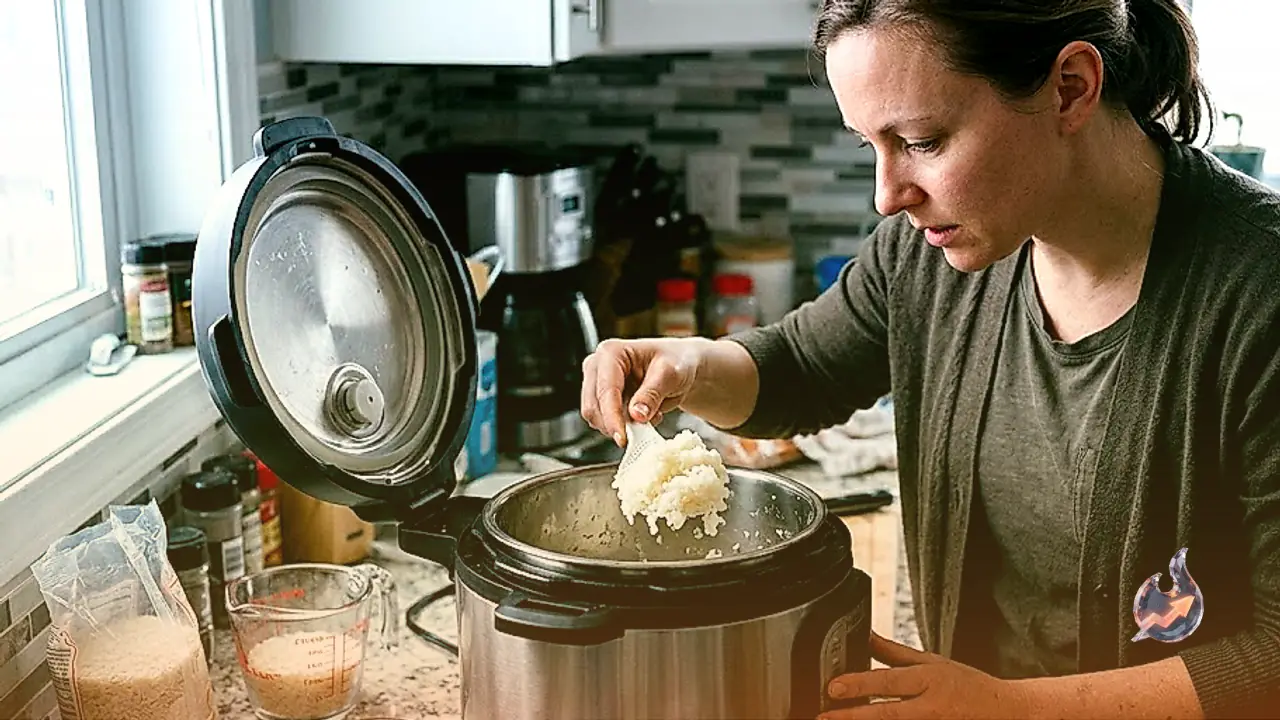
Once the pressure cooker has opened safely, leave the cooked rice undisturbed for about 5 minutes before serving. Afterward, use a fork or a specialized paddle designed for rice to gently separate the grains using very light hand movements. Stirring the hot rice repeatedly or with excessive force can easily break the tender grains and make them appear clumpy. Adhering to these practical steps ensures flawless results every time.