


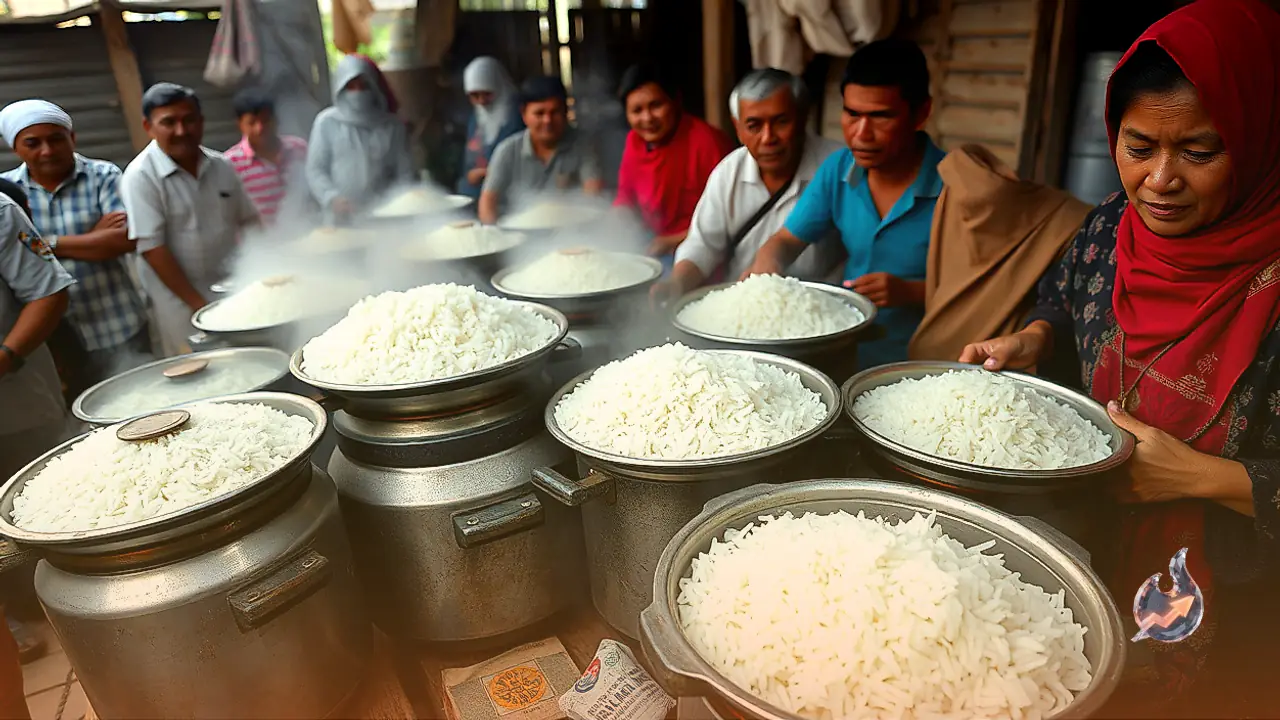


















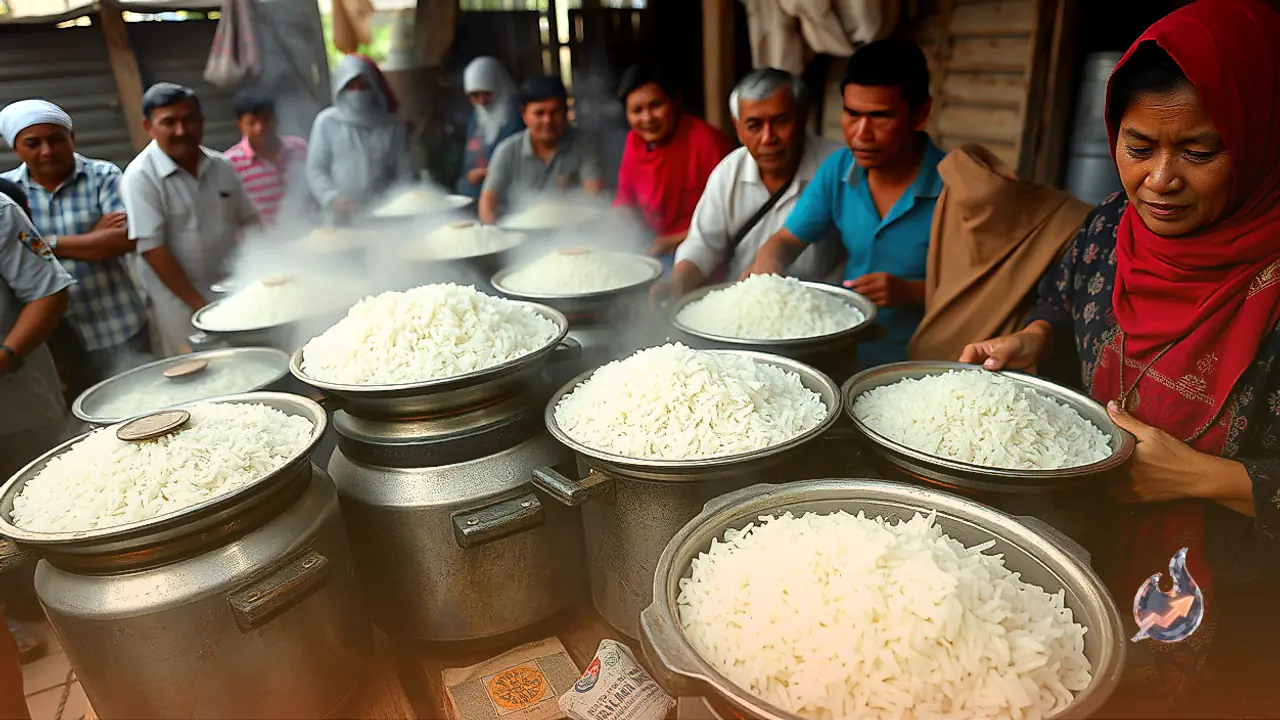

In modern kitchens, the pressure cooker has become the standard appliance for fast cooking, yet a slight miscalculation in water measurements frequently results in sticky or overcooked grains. Decades ago, prior to the widespread entry of pressure cookers into domestic kitchens, rice was routinely prepared using large open pots and brass vessels. The enduring advantage of this older culinary practice was that the grains turned out completely separated and fluffy, while the excess liquid starch was systematically separated. According to Chandrawati, this open-vessel technique was the standard household norm across families in her time.
Initial Washing and Soaking Steps
Preparing rice through this traditional method begins with thorough sorting and grain washing. The raw grains are cleaned and rinsed thoroughly under water 3 to 4 times to eliminate any lingering surface dust and debris. Following this, the grains are left submerged in water for a brief soaking period. Allowing the grain to absorb ambient moisture beforehand significantly reduces cooking duration on the stove and helps the kernel expand uniformly without breaking.
Boiling Water in Large Vessels
Once the grains have soaked, a generously sized pot or vessel is filled with a water volume significantly larger than the total quantity of the rice and placed over the stove. The grains are added only after this water reaches a rapid, bubbling boil. After adding the soaked grains, the flame is reduced to medium heat to maintain steady cooking. Throughout this phase, gentle stirring with a spoon or ladle at regular intervals is recommended to ensure the rice kernels do not stick to the base of the container.
The Finger Press Check and Straining Starch
Determining the precise doneness of the rice in an open vessel involves a straightforward manual test. Cooks would take out one or two grains and press them lightly between their fingertips. If the grains yield smoothly without presenting a hard, uncooked core, the rice is fully boiled. At that point, the most critical step of this traditional approach takes place: draining the hot liquid. Carefully gripping the vessel, the excess water is drained off into a separate container. This drained starch water, traditionally termed mand, effectively removes a substantial portion of excess starch from the cooked meal.
Evaporating Moisture for Separated Grains
After straining away the hot starch water, the pot is not sealed immediately. Chandrawati explains that the drained pot was placed back over an exceptionally low flame for approximately 1 to 2 minutes. This gentle lingering warmth forces residual surface moisture to evaporate away as steam, allowing each grain to separate cleanly without turning mushy. Finally, the heat source is completely switched off, and the vessel is covered with a lid for several minutes, allowing the rice to settle before serving.
Practical Relevance of the Technique
While preparing rice in an open pot requires a few more minutes than modern steam cooking, it offers the distinct advantage of visually monitoring grain texture directly throughout the process. Although modern busy schedules make pressure cookers the most expedient choice, this traditional open-vessel procedure remains an invaluable kitchen skill whenever a cooker malfunctions or is unavailable.