























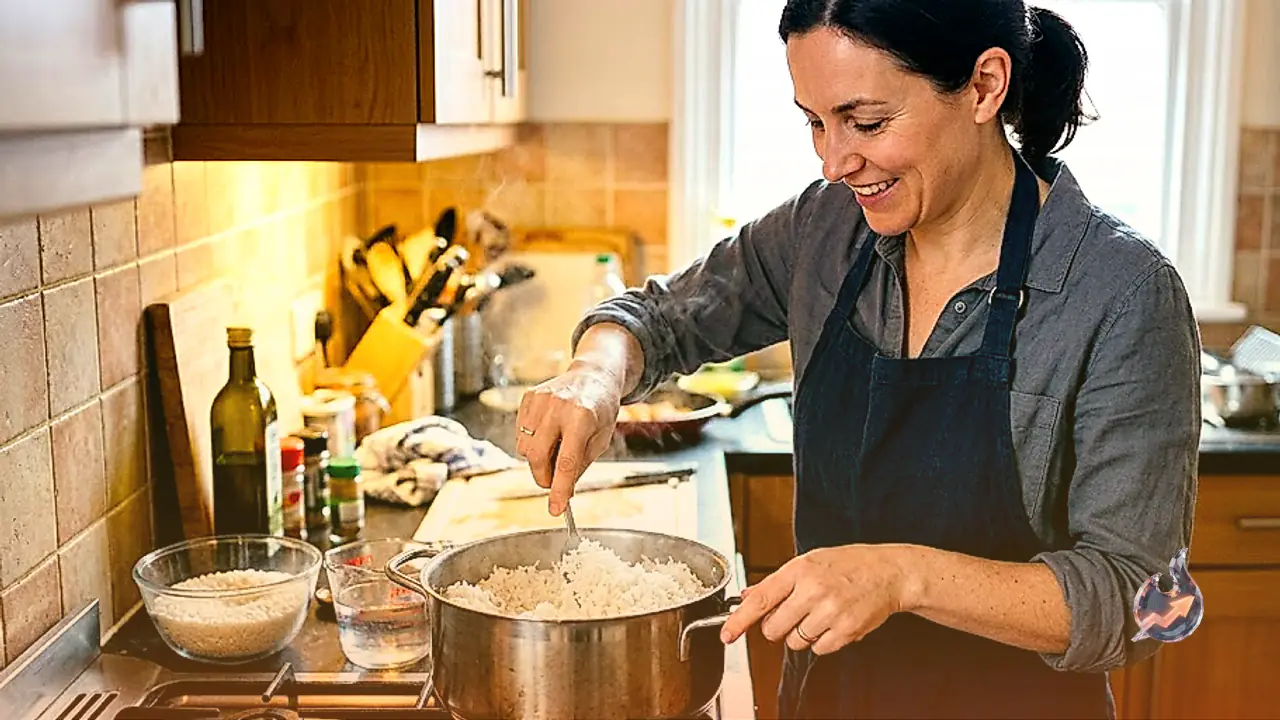

Cooking rice seems simple, but achieving perfect, fluffy grains can sometimes feel like an elusive art. All too often, instead of beautiful, separate grains suitable for biryani or fried rice, we end up with a clumpy, sticky mass. This texture disaster usually stems from easy-to-fix culinary missteps like inaccurate water ratios, insufficient washing, or over-stirring. Understanding the science of cooking rice can help you avoid these mistakes and achieve restaurant-quality results every single time.
Why You Must Always Wash Your Rice Thoroughly
One of the most common reasons rice turns into a gummy lump is the presence of excess surface starch on the grains. When rice is processed and packaged, tiny starch particles rub off and coat the grains. If not removed, this starch gelatinizes in hot water, gluing the grains together. To prevent this, place your rice in a bowl and rinse it under cold water at least two to three times. Swirl the grains gently with your fingers and drain the cloudy liquid. Keep repeating this rinsing process until the water runs mostly clear, which signals that the problematic surface starch has been successfully washed away.
Mastering the Water-to-Rice Ratio for Different Varieties
Water measurement is the single most critical factor in determining the final texture of your rice. Flooding the pot with too much water causes the grains to overcook, burst open, and turn mushy. Because different types of rice absorb water differently, it is highly recommended to check the specific instructions on the packaging. For instance, premium long-grain varieties like basmati require a very precise water ratio compared to short-grain or everyday rice. Tailoring the water quantity to the specific grain type prevents over-hydration and keeps each grain distinct.
The Art of Soaking Long-Grain Rice
If you are preparing long-grain options like basmati, a short soak can make a massive difference in the final presentation. Allowing the grains to rest in clean water for about 15 to 20 minutes helps them absorb moisture evenly before cooking begins. This pre-hydration ensures that the heat penetrates to the core of each grain at the same rate, resulting in uniform cooking. However, you must be careful not to overdo it. Soaking the rice for too long weakens its structure, making the delicate grains highly prone to breaking during the boiling process.
Why You Should Leave the Cooking Rice Alone
Many cooks have a habit of constantly stirring the pot, but this is highly detrimental to rice. Frequent stirring scrapes the grains against one another, breaking them and releasing more starch into the cooking liquid, which guarantees a sticky outcome. Stir the rice only when absolutely necessary, and let it cook undisturbed. Once the cooking is complete, turn off the heat and let the pot sit covered for a few minutes to let the steam distribute evenly. Afterward, lift the lid and gently fluff the grains with a fork rather than a heavy spoon. A fork slides easily between the delicate grains, separating them without crushing them.
How to Rescue a Batch of Sticky Rice
If you have already ended up with a sticky clump, do not panic or try to fix it by stirring vigorously on the stove. Instead, immediately transfer the hot rice onto a large plate or a flat baking tray. Spread it out gently into a thin, even layer and allow it to cool down completely. This process allows the trapped steam and excess moisture to escape into the air, which helps firm up the grains. Once the rice has cooled down, use a fork to slowly and carefully separate the individual grains, restoring some of the lost fluffiness.


