






















The culinary landscape of Lucknow has long been celebrated for its royal Awadhi traditions, where rich aromas and meticulous slow-cooking techniques define every dish. While the city is globally recognized for its melt-in-the-mouth kebabs and aromatic biryanis, its dessert repertoire is equally extraordinary. Among the myriad of traditional sweets that grace the display counters of historic confectioneries, one particular delicacy stands out for its sheer opulence: the Chilgoza Halwa. Unlike the ubiquitous carrot or semolina puddings found across India, this pine nut-based confection represents the zenith of luxury dining. It is a royal indulgence that transforms a simple traditional recipe into a masterclass of premium ingredients, reflecting the lingering Nawabi taste for the finer things in life.
The Price of Luxury and Where to Find It
Indulging in this exclusive dessert requires a significant financial commitment. At present, this exquisite sweet commands a jaw-dropping price of around ₹6000 per kilogram. For those eager to experience this culinary marvel, the premier destination is Chhappan Bhog, a renowned sweet establishment located in the bustling Sadar Bazaar area of the city. While this shop is the most prominent purveyor of the dish, a handful of traditional sweetmakers nestled within the narrow lanes of the historic Chowk district also craft their own exclusive dry-fruit variations. However, due to the extreme cost and low daily demand, it is not a regular menu item across all local sweet shops. Finding it often requires visiting these select, high-end establishments that cater to a clientele willing to pay a premium for unmatched quality and exclusivity.
Why Pine Nuts Command Such a Premium
The astronomical price tag of this halwa is directly tied to its primary ingredient: the Chilgoza, or pine nut. Recognized globally as one of the most expensive nuts in the commercial market, pine nuts are the edible seeds harvested from specific varieties of pine trees. The harvesting process is notoriously labor-intensive and fraught with difficulties. Foragers must extract the seeds by hand from tightly closed pine cones, a task that yields a relatively small amount of edible product for a massive amount of manual effort. This natural limitation on production, coupled with a surging global demand for premium health foods and exotic culinary ingredients, keeps the wholesale price of raw pine nuts exceptionally high. When these costly nuts form the base of a dessert, the end product's retail price naturally skyrockets.
The Art of Slow Cooking and Rich Ingredients
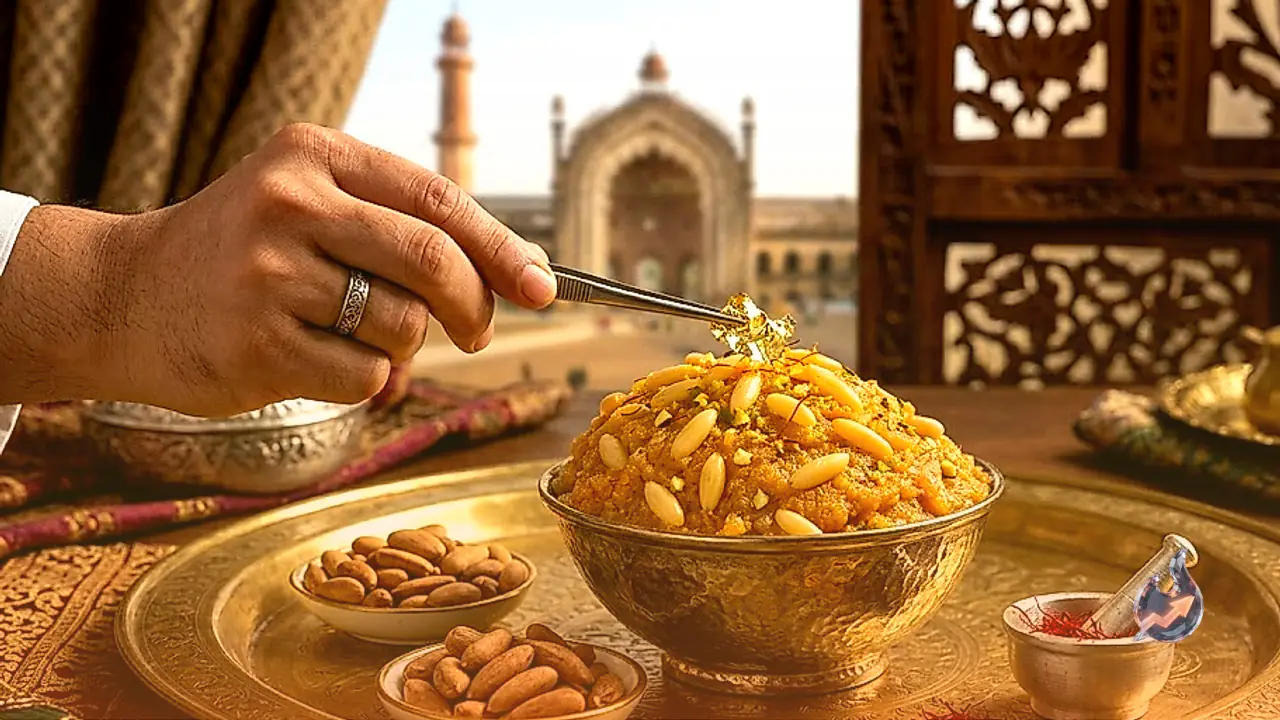
Beyond the raw nuts, the preparation of this elite halwa incorporates a roster of other high-value ingredients that contribute to its grand flavor profile and hefty cost. Expert confectioners begin by combining the pine nuts with copious amounts of pure desi ghee. To this rich base, they add full-fat milk, freshly prepared khoya, and aromatic spices like green cardamom. Generous pinches of premium saffron are infused into the mixture to impart a golden hue and a delicate, floral aroma. Occasionally, slivers of pistachios and almonds are blended in to provide a contrasting crunch. The entire mixture is then subjected to a rigorous slow-cooking process on a low flame. This prolonged simmering allows the natural oils of the nuts to meld seamlessly with the dairy, resulting in a rich, velvety texture that cannot be replicated through hasty cooking methods.
Recreating the Royal Experience at Home
For culinary enthusiasts wishing to taste this delicacy without the steep commercial price, attempting a homemade version is entirely feasible, albeit challenging. The domestic preparation begins with lightly toasting a small batch of pine nuts in clarified butter to release their essential oils. Following the roasting stage, full-fat milk and mawa are incorporated into the pan. The mixture must be stirred continuously over low heat to prevent burning. As the consistency thickens, refined sugar, freshly ground cardamom powder, and steeped saffron strands are stirred into the fold. The dish is finally garnished with whole pine nuts and bright green pistachios before being served piping hot. While a home kitchen might struggle to exactly duplicate the refined texture achieved by professional sweetmakers at commercial establishments, the resulting dessert will undoubtedly carry the luxurious, nutty flavor profile that defines the original dish.
A Sweet Reserved for the Elite
Ultimately, the pine nut halwa is not meant for everyday consumption. It remains a hallmark of high society, heavily favored during major festive seasons, elite wedding banquets, and special ceremonial feasts. It offers an unparalleled tasting experience for those who appreciate the intersection of rare agricultural produce and heritage cooking techniques. Despite the formidable price barrier, the continued popularity of this dish at select sweetshops proves that there is a dedicated market for uncompromising culinary luxury. It stands as a testament to a food culture that values quality, rarity, and the meticulous preservation of royal gastronomy.