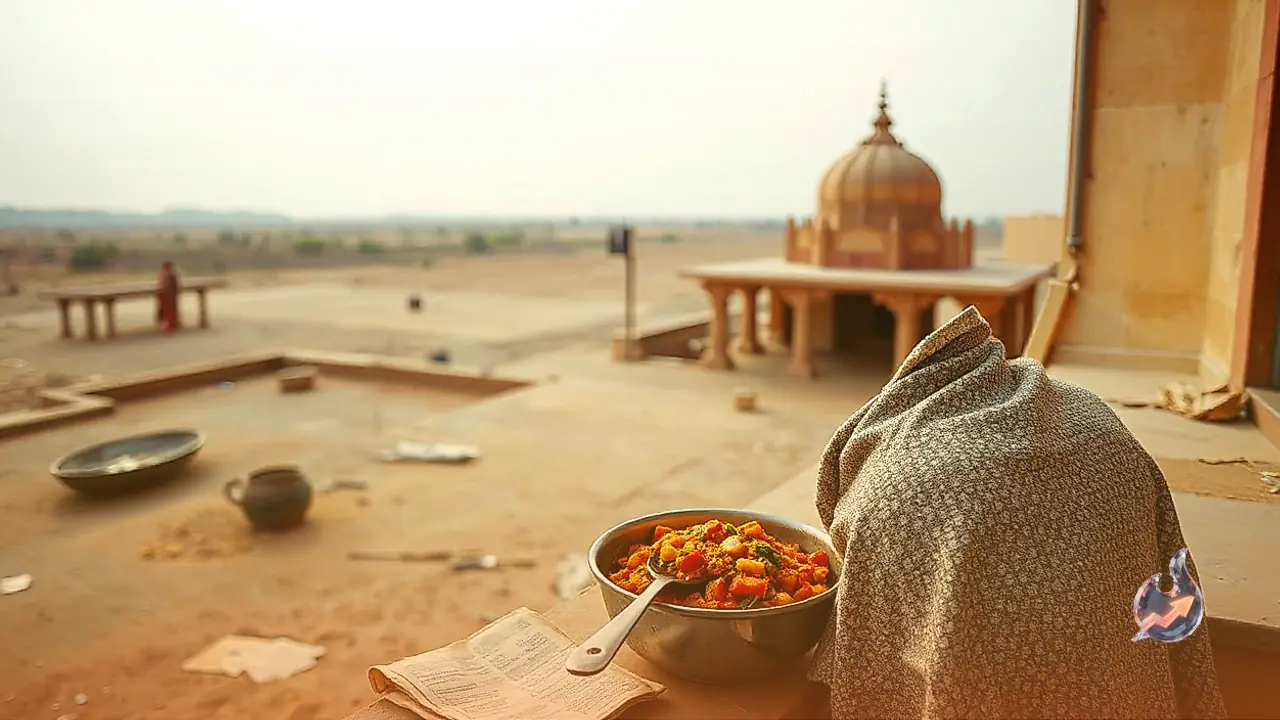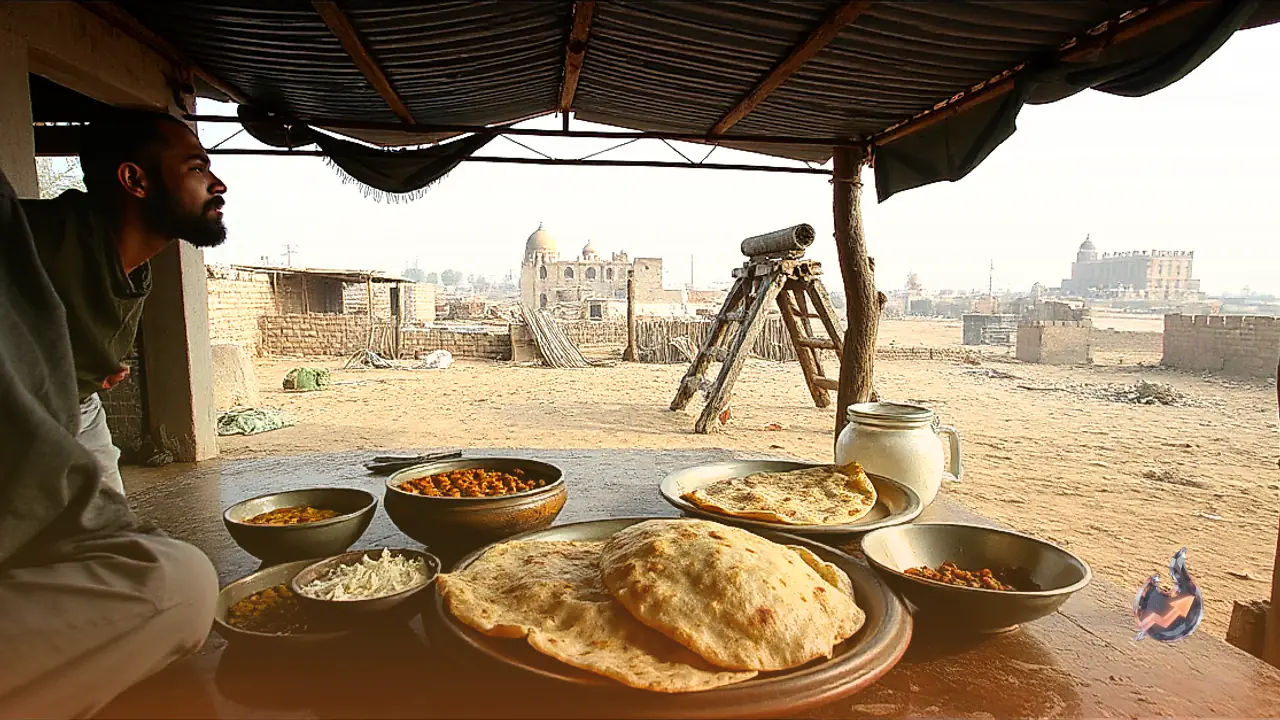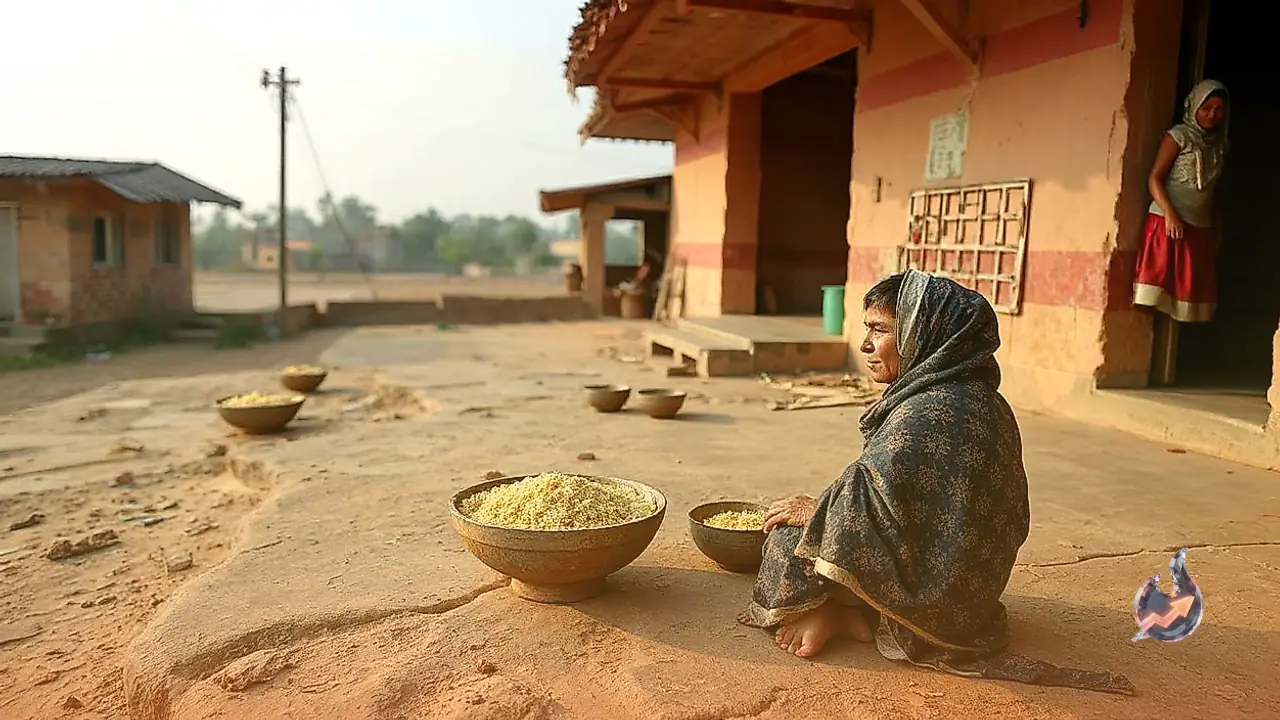























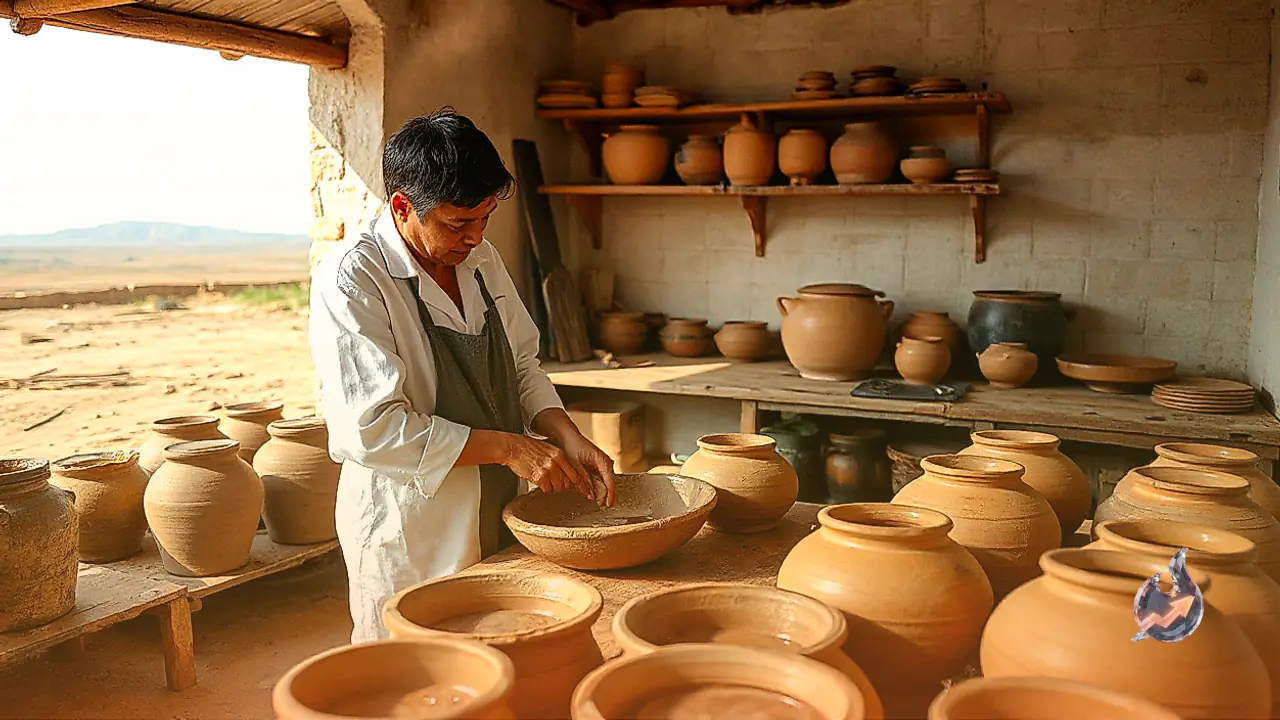

In contemporary households, steel, aluminium and non-stick cookware dominate everyday kitchens. Yet, the practice of cooking meals in traditional earthenware is gradually making a comeback. Many people genuinely prefer the distinct taste of lentils, vegetables and khichdi prepared in a clay pot. Behind this tradition lie not just cultural habits, but scientific factors such as heat distribution and moisture retention within the food. However, the actual impact of cooking in a clay pot depends heavily on the construction of the vessel and how it is handled during use.
The Mechanism of Slow Heating
Clay pots generally take much longer to heat up compared to metal utensils. Because of this property, food inside them can be simmered slowly. In dishes like lentils, vegetables and curries, this allows spices and other ingredients to blend thoroughly and enhance the overall flavour. Even so, the exact speed at which food heats up depends on variables like the thickness of the pot, its shape and the type of stove being used for cooking.
Certain earthenware items feature microscopic pores across their surface. Because of these tiny holes, moisture retention can differ compared to standard metal cookware. Some traditional clay pots are deliberately soaked in water before use. When heated, the moisture trapped within turns into steam, which can help keep the food tender and moist throughout the process. However, this specific advantage does not apply identically to every type of clay pot available in the market.
Does It Increase Nutritional Value?
It is widely believed that food cooked in clay pots is significantly more nutritious, but there is no concrete scientific basis to support this claim. The actual nutrient content in meals is primarily influenced by cooking time, temperature and the amount of water used. Prolonged cooking can diminish certain vitamins, while proper cooking simply makes certain foods easier to digest. Therefore, merely using an earthenware vessel does not automatically guarantee an increase in the nutritional value of the meal.
Changes in Texture, Taste and Safety Precautions
Slow cooking in clay pots can noticeably alter the texture and taste of the prepared dish. Lentils, porridges and gravy-based recipes especially get adequate time to cook thoroughly, resulting in a richer and thicker consistency. However, this is largely due to the low-heat cooking method rather than the clay itself. Furthermore, buyers must exercise caution when purchasing earthenware. Some pots feature glossy coatings or paints that may contain harmful elements like lead and cadmium, which can leach into the food during the cooking process.