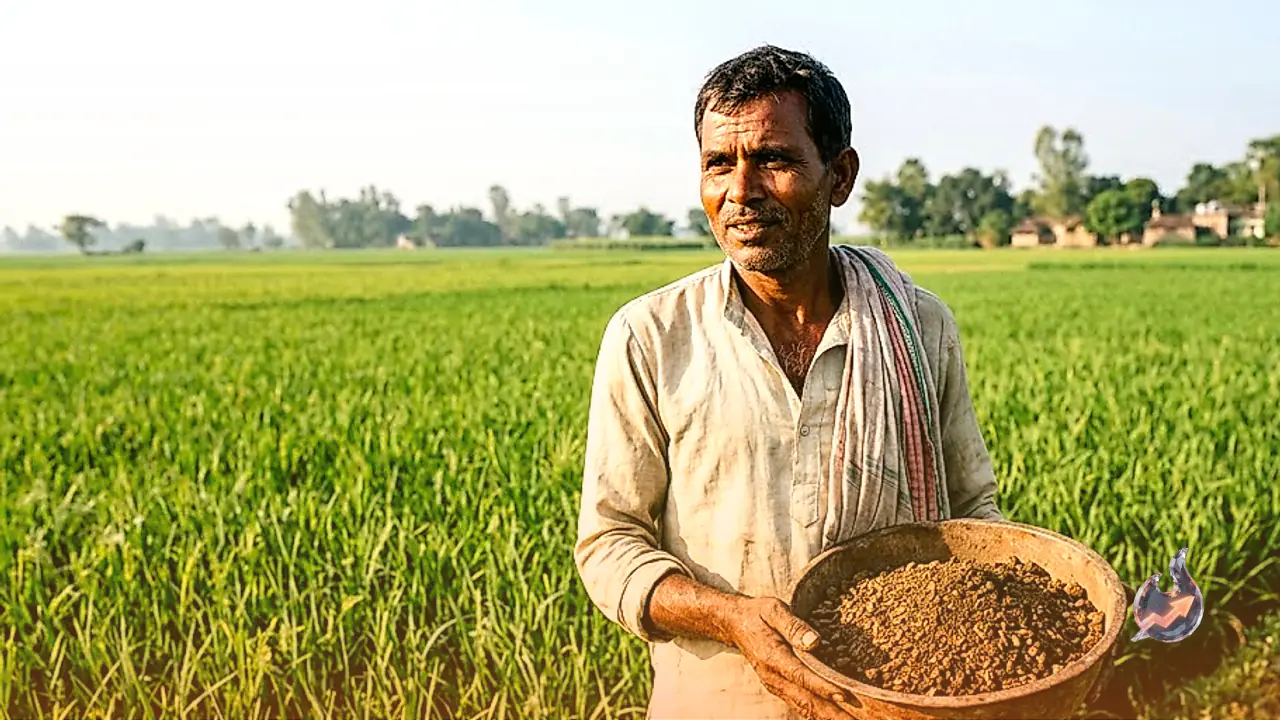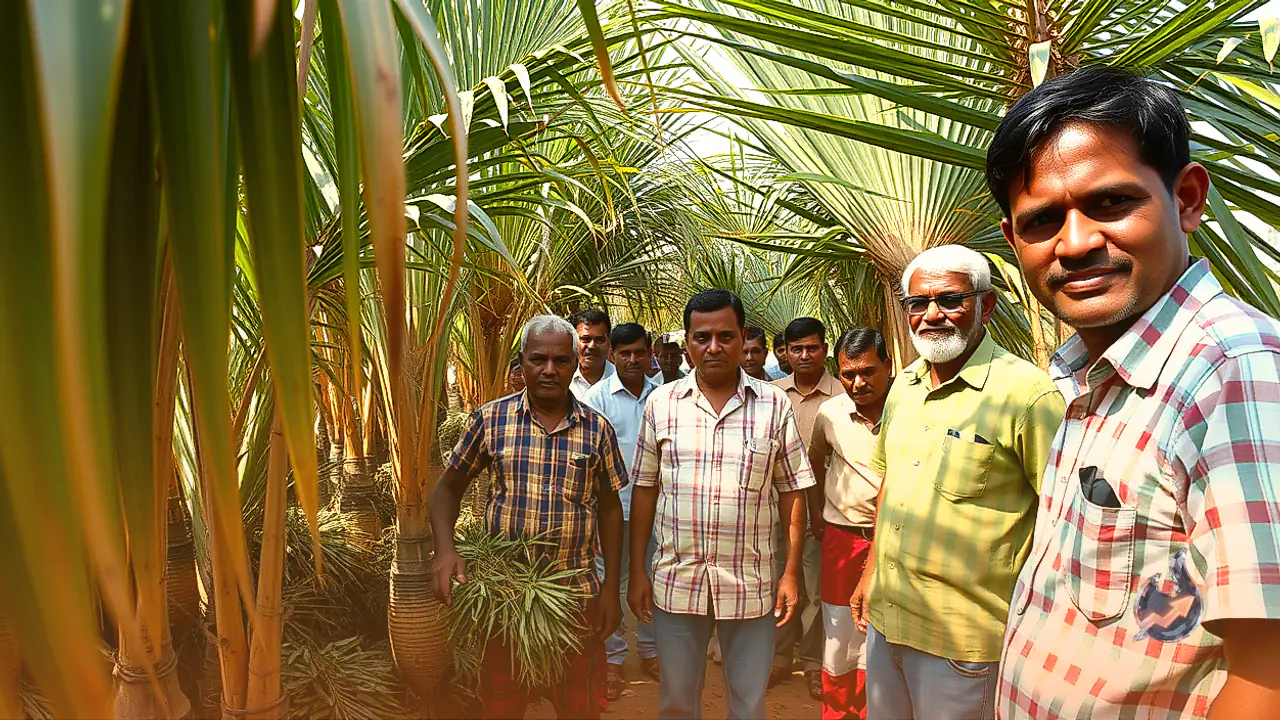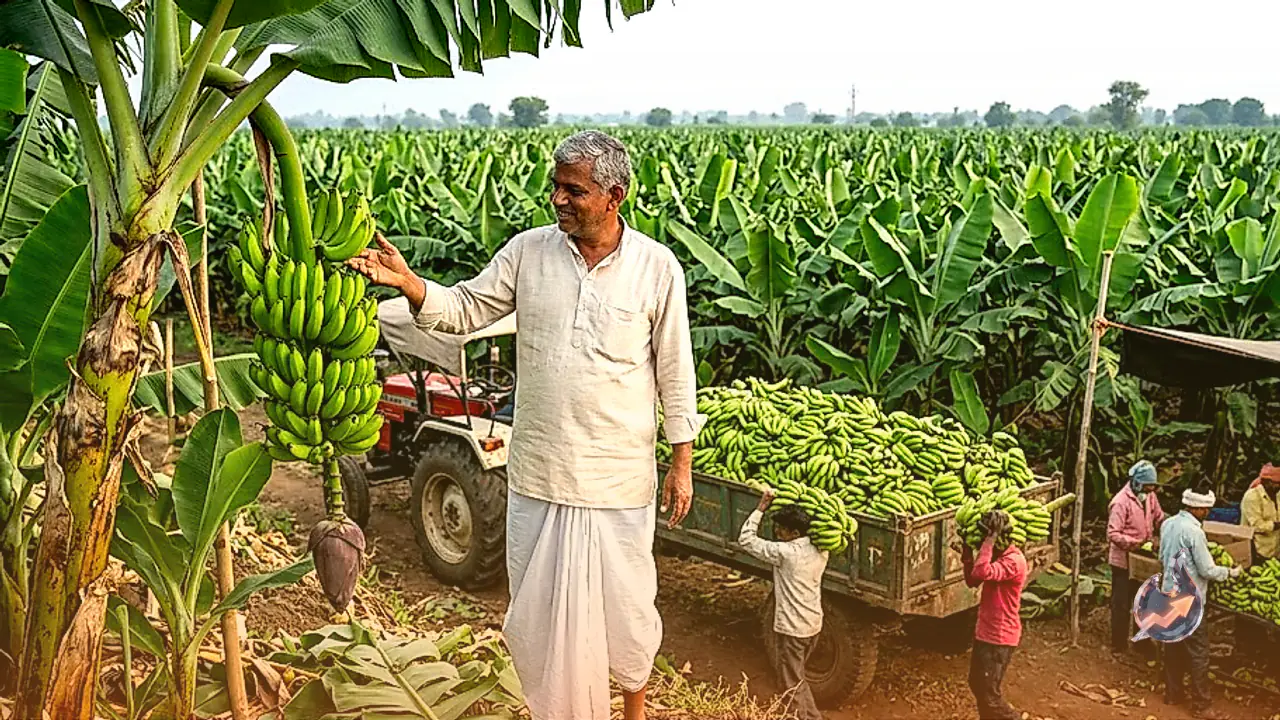





















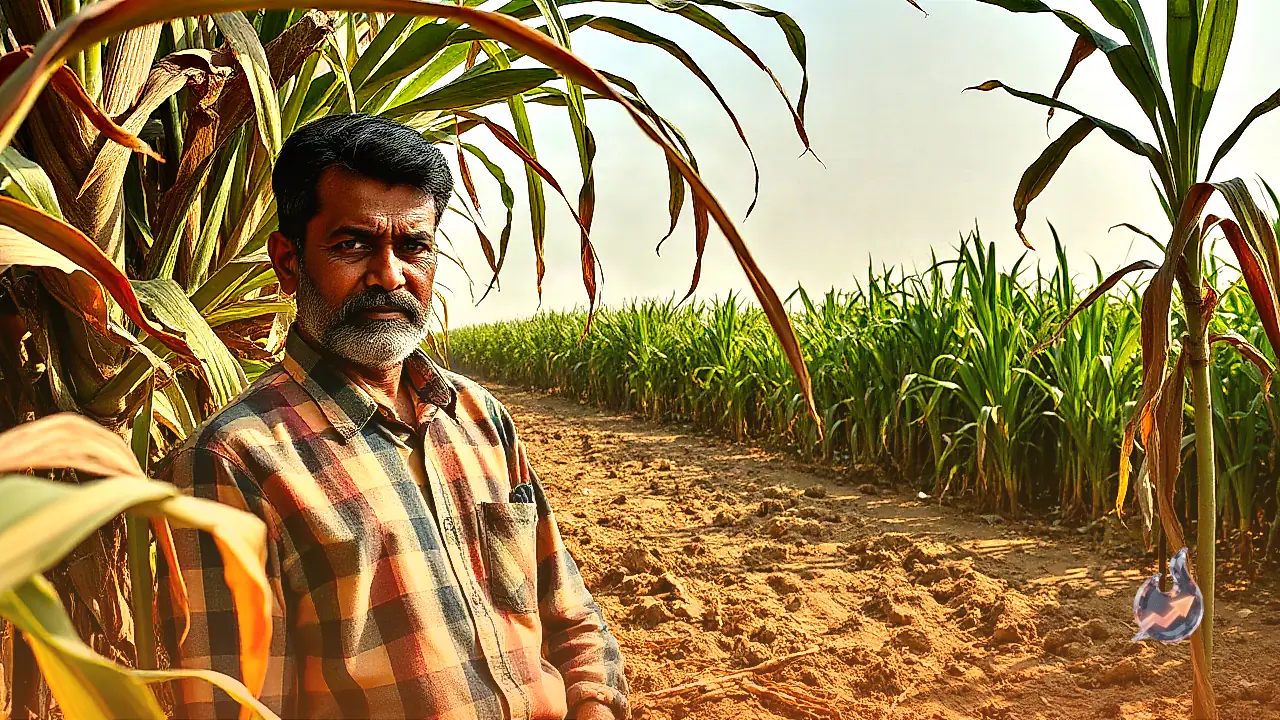

Vinod Kumar Upadhyay, a progressive farmer from the Itiathok development block in Gonda district, Uttar Pradesh, has introduced an innovative approach to agriculture by cultivating the 0218 variety of sugarcane. After completing his graduation, Upadhyay chose to dedicate himself to farming, aiming to significantly lower input costs while maximizing long-term financial returns. His ambitious project involves harvesting sugarcane continuously for nearly 10 years from a single initial planting, an experiment that is attracting widespread interest among agricultural communities in the region.
Education and Inspiration Behind Agricultural Innovation
Vinod Kumar Upadhyay completed his education up to graduation before committing full-time to agriculture. Inspired by his father, who practiced traditional farming for decades, Upadhyay decided to carry forward the family legacy. However, rather than adhering strictly to conventional farming practices, he sought to integrate modern agricultural management techniques. His objective was to transform traditional farming into a commercially lucrative and sustainable venture by adopting resilient crop varieties.
Long-Term Yield Strategy with the 0218 Sugarcane Variety
To implement his modern approach, Upadhyay chose the 0218 sugarcane variety. Standard sugarcane crops typically demand complete field clearance and resowing after a limited harvest cycle, incurring significant labor and material expenses. In contrast, the 0218 variety demonstrates strong potential for multi-year ratoon cultivation. Upadhyay is currently preparing to conduct the fourth consecutive harvest from the same initial planting. Encouraged by the healthy output, he plans to maintain continuous production from this single crop for approximately 10 years, ensuring rigorous ongoing field management to sustain soil fertility and crop vigor.
Substantial Financial Returns and Cost Efficiency
Reflecting on the financial outcome, Upadhyay shared that his initial investment during the first planting phase stood at approximately 6 to 7 lakh rupees. Upon harvesting and selling the produce, his revenue reached between 17 and 18 lakh rupees. This substantial profit margin reinforced his confidence in long-term ratoon farming. In the current season as well, he anticipates generating revenue running into lakhs of rupees. By eliminating annual expenditure on seed cane, land preparation, and heavy labor, this approach effectively lowers operational expenses while augmenting net earnings.
Local Interest and Agricultural Expert Guidelines
Upadhyay's demonstration of long-term ratoon management in Itiathok has become a point of discussion among neighboring farmers looking to optimize their agricultural yields. Nevertheless, agricultural scientists emphasize that the longevity and yield of multi-year ratoon sugarcane depend heavily on specific soil conditions, climate factors, and systematic field maintenance. Consequently, experts advise farmers to seek guidance from local agricultural officers and conduct soil testing before transitioning large land parcels to new crop varieties.