
















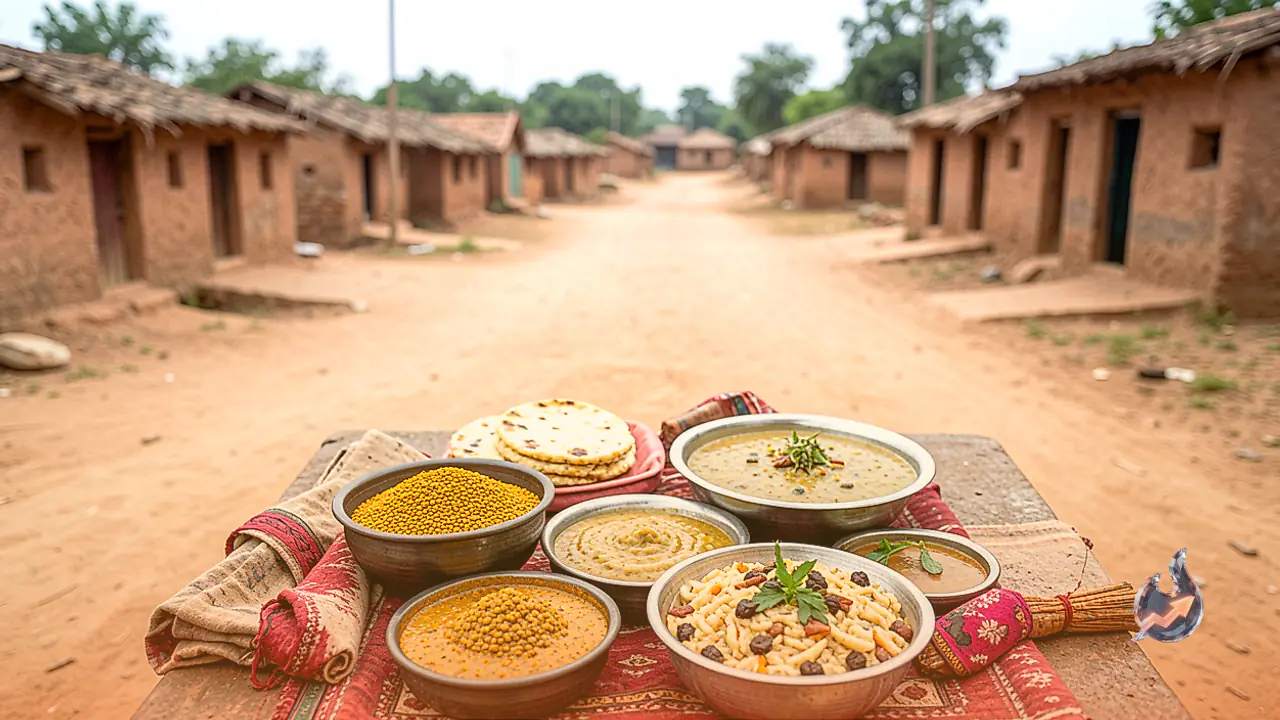

The traditional food culture of Madhya Pradesh's Nimar region has long been celebrated for its unpretentious preparation and distinct local flavors. Across Khandwa and its surrounding rural settlements, families have preserved culinary traditions passed down through generations, serving wholesome meals that anchor both festive celebrations and weekday family dinners. Among these regional staples, the traditional dal dhokli of Nimar holds a distinguished place. Prepared from everyday whole wheat flour and homestyle lentil soup, this preparation stands out for its characteristic triangular fold, tender texture, and straightforward village cooking method. In rural households around Khandwa, the dish continues to be cooked with great enthusiasm and savored together as a hearty family meal.
Home cook Sweety Patel notes that dal dhokli is traditionally prepared during major festivals such as Holi, though it is just as easily put together on any regular afternoon or evening when family members crave a comforting homemade meal. While assembling and simmering the components requires patient attention, the final result of soft, steamed wheat pieces mingling with piping hot spiced lentils delivers a deeply satisfying experience. Recreating this traditional Nimari delicacy at home involves a structured yet simple culinary sequence.
Shaping the Signature Triangular Wheat Dhokli
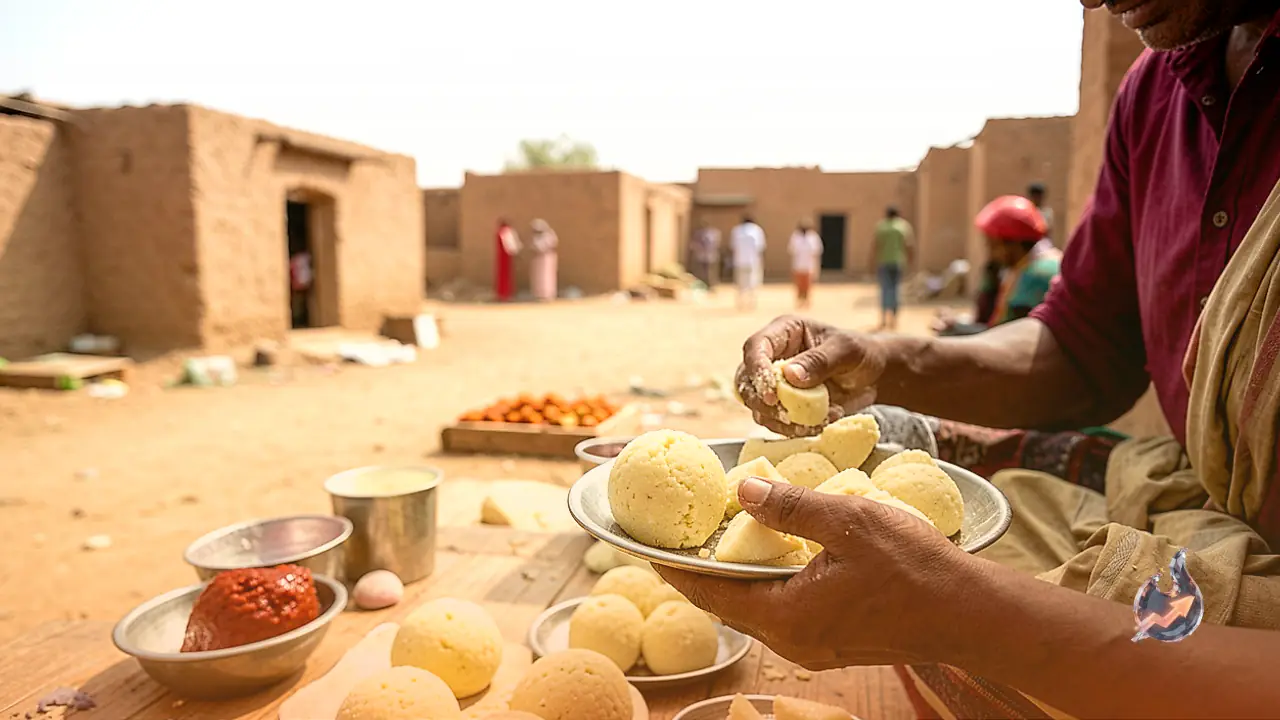
The preparation begins with kneading whole wheat flour, following the identical consistency used for everyday griddle flatbreads. According to Sweety Patel, there is no need for complicated pre-mixes or rare ingredients. The flour is kneaded into a pliable dough, divided into small, uniform dough balls, and rolled flat on a rolling board just like a routine thin roti.
Once the circle is rolled out, a light coating of cooking oil is brushed evenly across the surface. The circular dough is then carefully folded over into a neat triangular shape. This folded triangle is dusted lightly and rolled once more into a thin sheet. It is this multi-layered triangular geometry that gives Nimari dhokli its signature look and unique textural bite, distinguishing it from flat pasta or dumplings from other regions. It is crucial to roll the pieces thinly, because excessively thick dough takes significantly longer to cook through and carries the risk of remaining raw and doughy in the center.
Cooking Methods Using a Pan or Pressure Cooker
Once all the triangular wheat portions have been rolled and stacked, they must be cooked thoroughly. This step can be executed using either an open deep cooking pan or an everyday pressure cooker. When utilizing a pan, water is brought to a rapid boil before the raw dhokli triangles are eased into the hot liquid. It is necessary to stir the pot periodically to confirm that the dough pieces do not settle and stick to the bottom of the pan, ensuring each piece cooks evenly throughout.
For those preparing the dish in a pressure cooker, adequate water must be placed at the base, along with a suitable steamer rack or perforated container designed for steam cooking. The cooker should never be overfilled beyond safe limits, allowing sufficient room for steady steam circulation and ensuring kitchen safety. Cooking the wheat triangles completely is the most vital step of the entire process, as it softens the dough down to its innermost layer. Once fully cooked, the tender dough reaches a melt-in-the-mouth consistency that integrates seamlessly with cooked lentils.
Spicing the Everyday Dal and Assembling the Dish
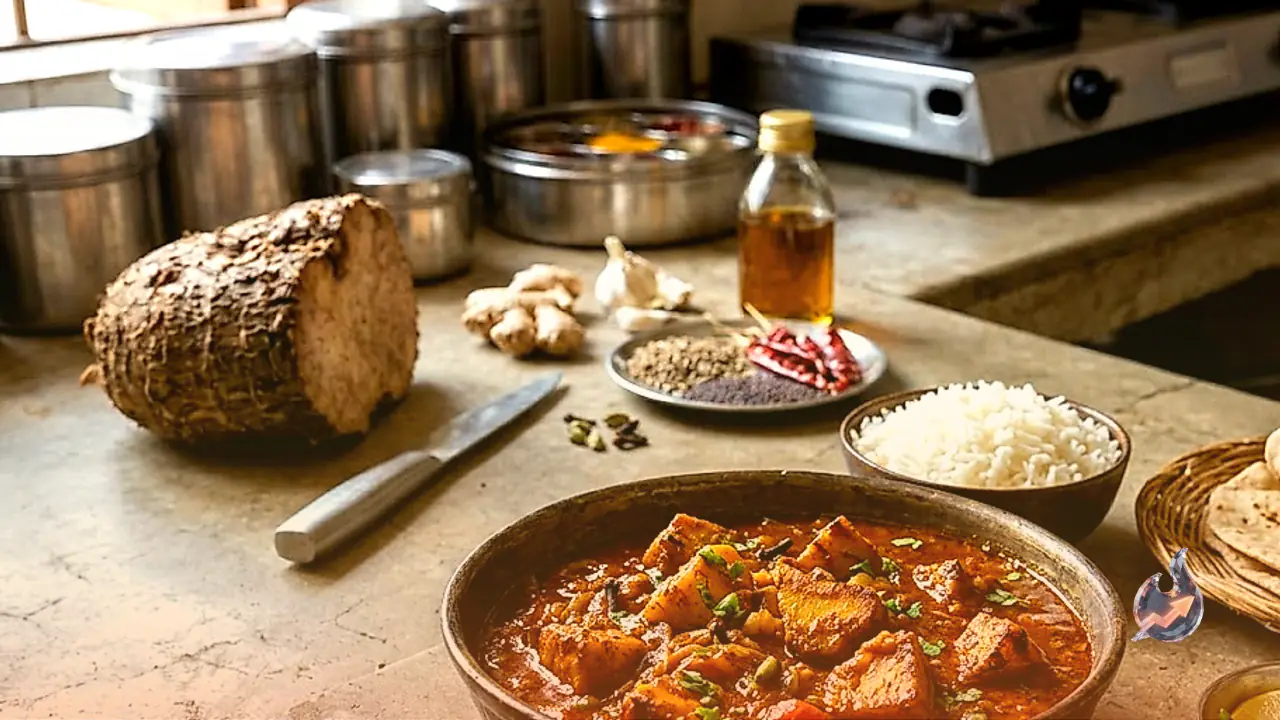
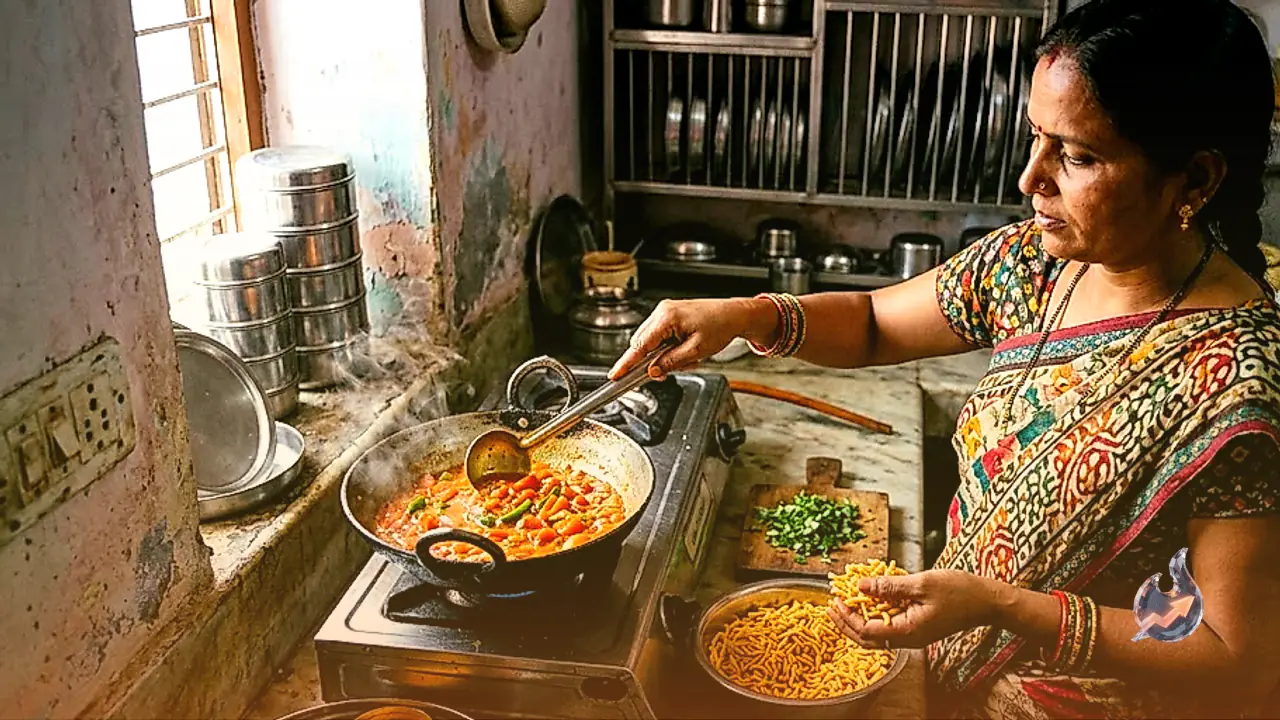
A major advantage of this regional specialty is that it requires no exotic pulse or elaborate lentil preparation. Sweety Patel points out that regular, everyday homemade dal serves as the ideal foundation. Once the lentils are boiled and softened, a traditional tempering is prepared in hot oil or ghee to infuse vibrant desi flavors. The seasoning features mustard seeds, cumin seeds, asafoetida, minced garlic, and sliced green or dried red chillies.
As soon as this fragrant tempering is stirred into the simmering lentils, the cooked dhokli is ready to be plated alongside. In many Nimari homes, cooks drop the boiled dhokli directly into the pot of hot, seasoned dal and let the mixture simmer gently for a few extra minutes. This short resting period allows the porous wheat folds to thoroughly absorb the savoury lentil juices, making each bite exceptionally moist and rich in flavor. The finished dish can be garnished with freshly chopped coriander leaves before being served warm.
Generational Comfort and Everyday Practicality
The culinary custom of cooking dal dhokli across rural Nimar carries deep generational roots. Sweety Patel observes that elderly family members historically relished this dish, largely because the steaming process leaves the wheat sheets soft and gentle to chew, making it easy to digest. Nevertheless, thorough cooking remains mandatory to ensure no raw dough is consumed by seniors or young children.
While community gatherings and festive dates like Holi provide a prime occasion to prepare large batches, the meal fits comfortably into regular meal rotations. Its greatest virtue lies in everyday accessibility, relying solely on staple pantry items present in virtually every Indian home. Basic wheat flour, household lentils, and everyday kitchen spices come together to produce a wholesome, highly nourishing meal that reliably satisfies hunger without demanding specialized culinary tools.