























Seafood and freshwater delicacies have always held a special place among non-vegetarian food enthusiasts, with regional species and preparation styles defining local culinary traditions. Over recent years, fish production within Bihar has witnessed a remarkable surge. There was a time when the state relied entirely on neighboring West Bengal to meet its daily fish consumption, importing large quantities across borders. While supplies from Bengal have since decreased as local production scales up and the region achieves self-reliance, a small portion of fish continues to arrive from outside. This transition naturally prompts a common culinary question among residents regarding which geographical area yields the most delectable fish.
Flavors Vary Across Different Water Sources
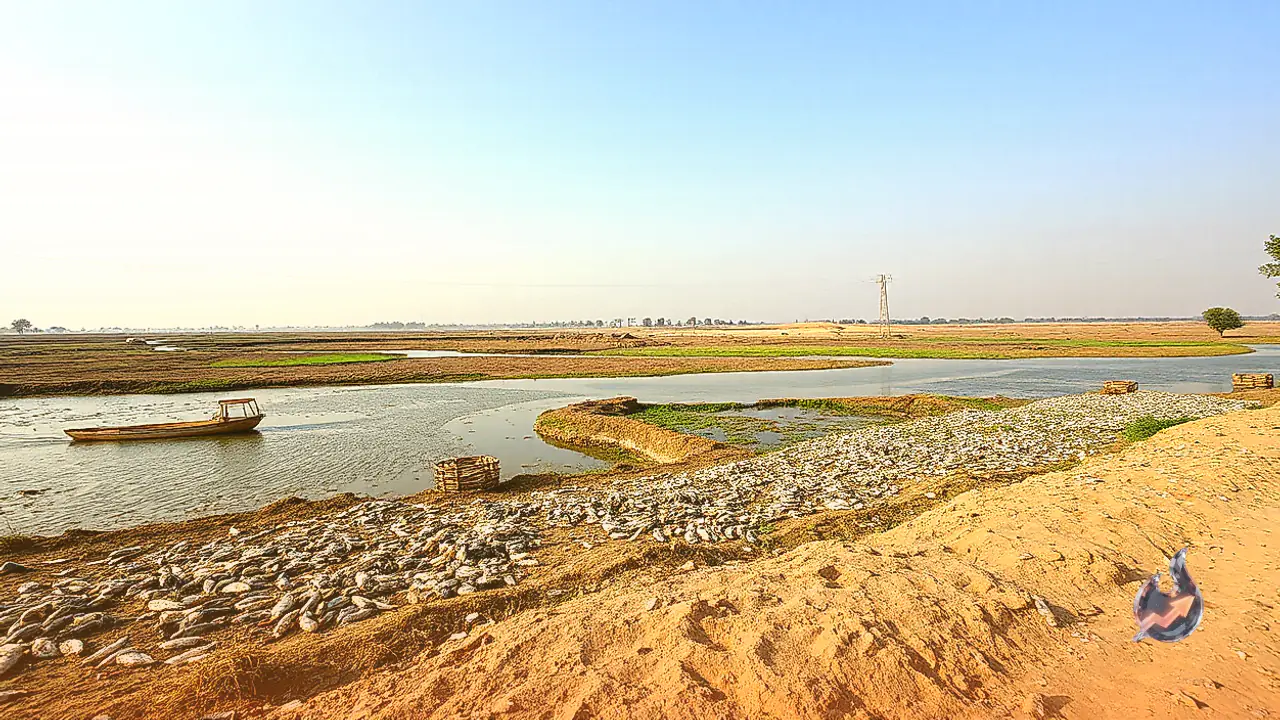
A good meal depends heavily on getting the right taste and seasoning just right. Discussing the nuances of fish quality and flavors, Bhagalpur Fisheries Officer Krishna Kanhaiya explained that fish in Bihar originate primarily from three distinct environments. These include the flowing waters of the Ganges river, conventional village ponds, and the marshy water bodies found in Chaur or Chanon regions. The taste profile of fish harvested from each of these three habitats differs significantly from the others. Among the popular choices that capture consumer preference, rohu ranks first, catla takes the second spot, and seelan secures the third position in terms of popularity among local buyers.
What Makes Chaur Region Fish Unique
Many consumers notice a sharp, distinct odor in certain fish brought home from local markets. Elaborating on the reason behind this characteristic, Fisheries Officer Krishna Kanhaiya noted that such specimens usually originate from the Ganges, where river currents sweep along decomposing organic matter and various residues that fish consume, subsequently transferring that distinct smell to their flesh. On the other hand, fish raised in standard managed ponds are restricted to confined spaces and limited artificial feeds. In stark contrast, the Chanon or Chaur wetlands possess entirely unique soil compositions and climatic conditions. In these waterlogged ecosystems, fish thrive on a rich mix of natural sustenance alongside supplemental nutrients when needed. This entirely natural environment and diverse diet give Chaur wetland fish their exceptionally sweet, unique, and superior flavor profile.