























Momos have evolved into one of the most cherished street foods across South Asia, capturing widespread popularity in India, Nepal, Tibet, and neighboring regions. Whether served classic steamed, deep-fried, tandoori style, or tossed in spicy chilli sauce, each variation brings a distinct culinary appeal. Among cities globally, Nepal's capital Kathmandu holds the celebrated status of being known as the world's momo capital. However, alongside its immense popularity, food enthusiasts must consider the health implications of making this dish a daily habit.
Kathmandu's Rich Culinary Heritage and Momo Culture
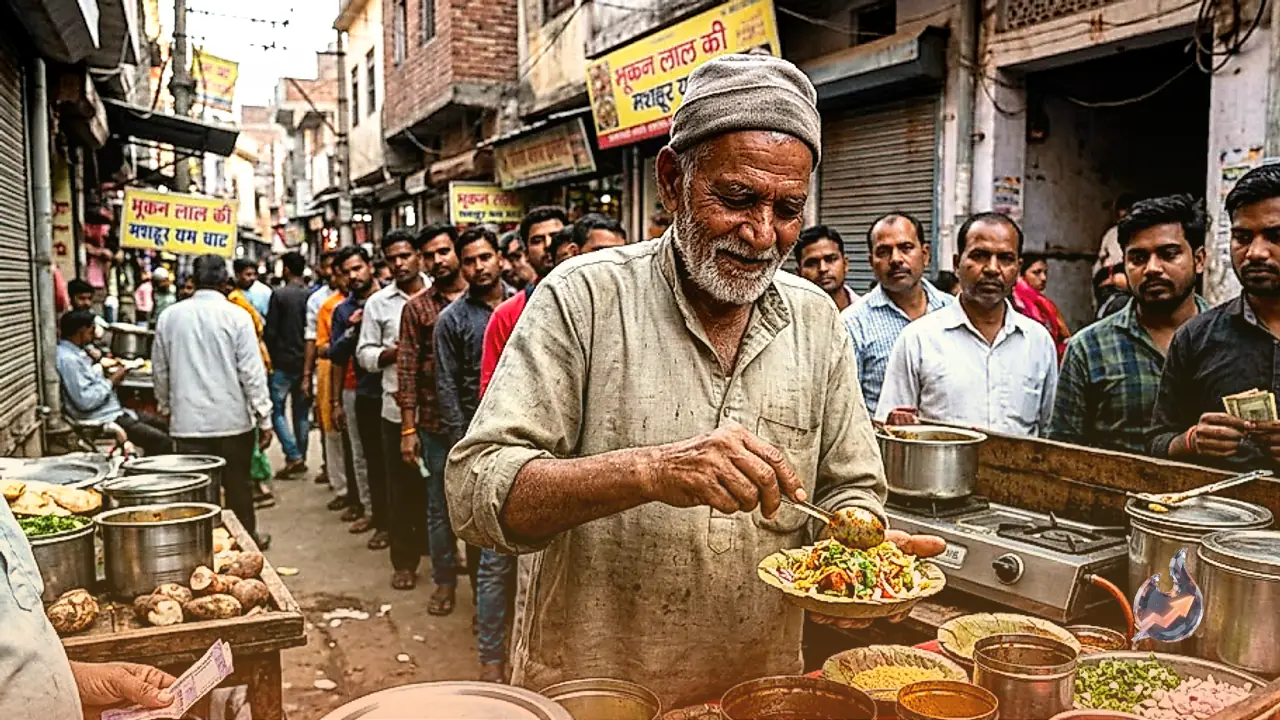
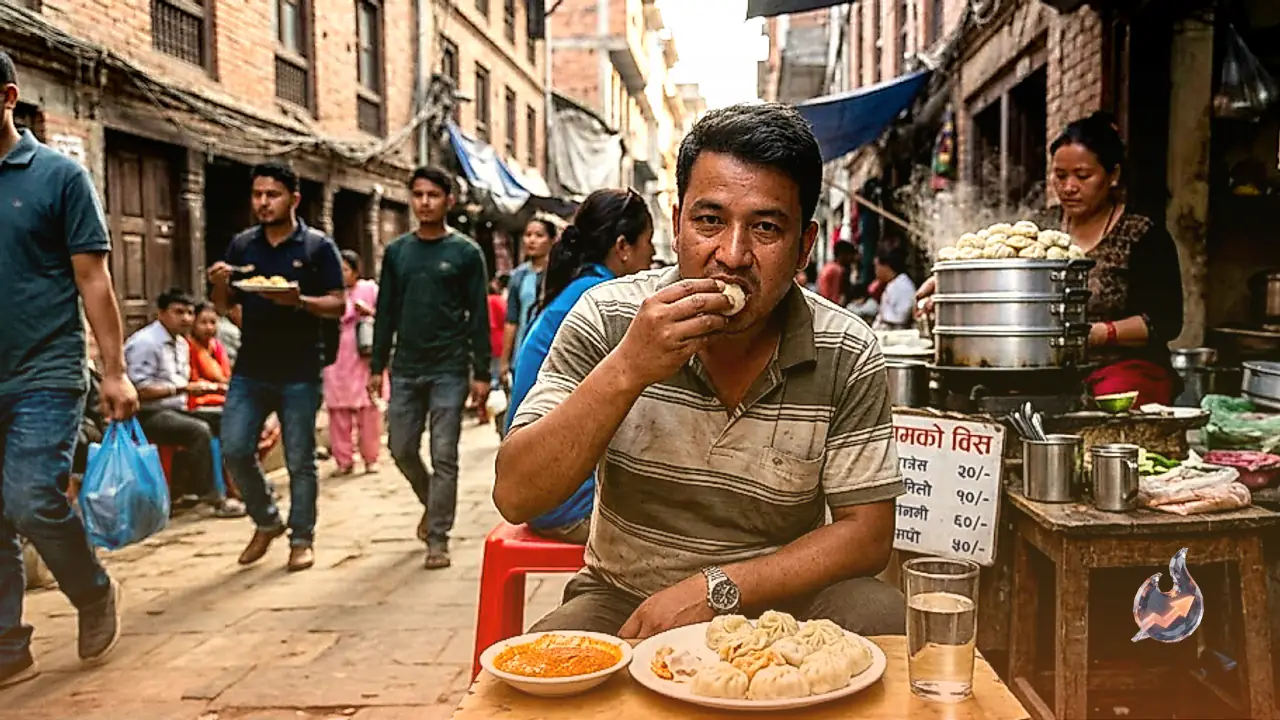
Kathmandu, the capital city of Nepal, enjoys worldwide recognition as the ultimate momo capital. From bustling street vendors and small local eateries to established restaurants, the city offers an extraordinary range of momos. This vibrant food culture is deeply rooted in Tibetan and Newari culinary traditions, which have combined over generations to give Kathmandu's momos their signature flavor profile and regional identity.
Visitors and food travelers arriving in Kathmandu encounter a diverse menu of momo preparations. Alongside conventional steamed momos, eateries serve jhol momos immersed in a savory spiced broth, kothey momos pan-fried on one side, spicy chilli momos, and crispy fried versions. This rich variety draws culinary tourists from around the world who travel to the city specifically to experience authentic local momos.
Potential Health Risks of Eating Momos Every Day
Despite their delightful taste, consuming momos on a daily basis poses several health concerns. The outer wrapping of most momos is prepared using refined wheat flour (maida). Regular consumption of refined flour can disrupt nutrient absorption within the body and adversely affect digestive health. Furthermore, fried and chilli momo variants absorb significant amounts of cooking oil, introducing excessive calories and unhealthy fats into the daily diet.
The accompaniments served with momos also contribute to nutritional imbalances. The spicy chutneys and dipping sauces typically contain elevated levels of sodium, which can prove harmful when consumed in high amounts. Additionally, unless momos feature generous fillings of fresh vegetables, lentils, or high-quality protein, they lack the essential nutrients required for a wholesome, balanced meal.
Practical Tips for Healthier Momo Consumption
For those who love momos but wish to maintain a healthy lifestyle, adopting simple preparation and dietary adjustments can make a significant difference
- Opt for Steamed Varieties: Choose steamed momos instead of fried or chilli options to cut down on unnecessary oil intake.
- Enhance Nutritional Content: Select fillings packed with fresh vegetables, paneer (cottage cheese), or protein-rich lentils.
- Prepare at Home: Make momos at home to closely control the amount of salt in sauces and oil used during cooking.
- Practice Moderation: Enjoy momos as an occasional treat within a balanced diet rather than substituting them for regular nutritious meals.