






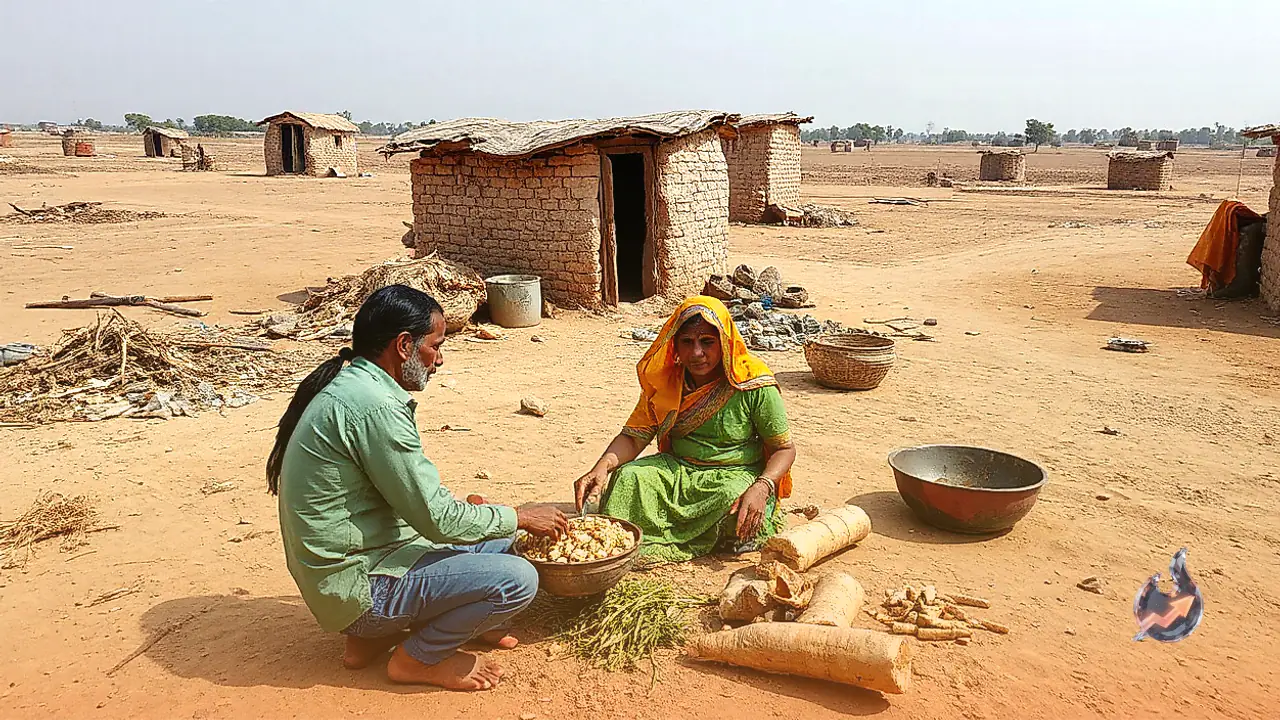














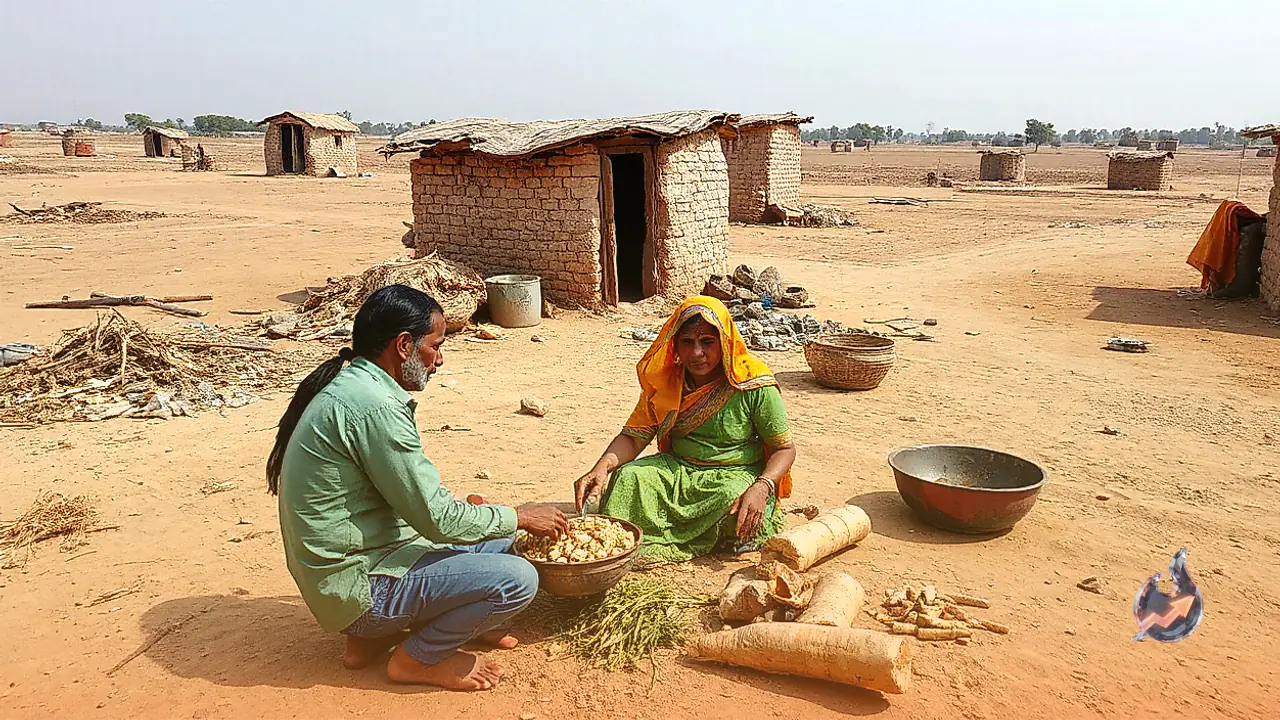

Across the rural landscapes of Lakhimpur Kheri, a distinctive culinary tradition persists during the celebration of Diwali, where households steadfastly prepare a unique dish made from yam, commonly known as Suran or Jimikand. Amidst the festive hustle of cleaning, worship rituals, and preparing sweets, women immerse themselves in crafting this traditional dish that bridges local food culture with enduring heritage. Although modern times have introduced countless new foods and transformed eating habits, rural communities continue to keep old flavors alive. This strong attachment to tradition explains why Suran sabzi remains a beloved centerpiece on tables during the festival of lights.
Two distinct methods to prepare Yam sabzi
Home cooks primarily utilize two different approaches to prepare this traditional preparation, each offering its own distinct culinary appeal. Anupam explains that the first method involves boiling the yam thoroughly before dicing it into small pieces and cooking it with a blend of spices. Alternatively, the second method skips the boiling stage, requiring the raw yam to be cut directly into small pieces and cooked straight away with the spices. Depending on family traditions and personal preferences, households adopt either technique to achieve a delicious outcome.
Delicious flavors using minimal ingredients
A notable advantage of preparing Suran sabzi is that it requires very few components to achieve an exceptional taste. Everyday spices and staples already stocked in a typical kitchen are more than sufficient to craft this recipe successfully. Alongside the main yam ingredient, the preparation calls for cooking oil, cumin seeds, turmeric powder, coriander powder, red chili powder, salt, ginger, and green chilies. Some households also choose to incorporate tomatoes or other supplementary items to tailor the flavor profile to their exact liking.
Step-by-step cooking instructions for Suran sabzi
The cooking process begins by heating oil in a pan, followed by adding cumin seeds once the oil is hot. Finely chopped green chilies and ginger are then introduced and lightly sautéed. Next, turmeric, coriander powder, red chili powder, and salt are added according to personal taste. Once the spices blend thoroughly, the prepared yam pieces go into the pan so that every piece gets evenly coated with the masala. A small amount of water is added as needed, allowing the dish to simmer slowly over a low flame while stirring periodically to prevent sticking. Once the yam softens completely and absorbs the rich flavors, the heat is turned off.