






















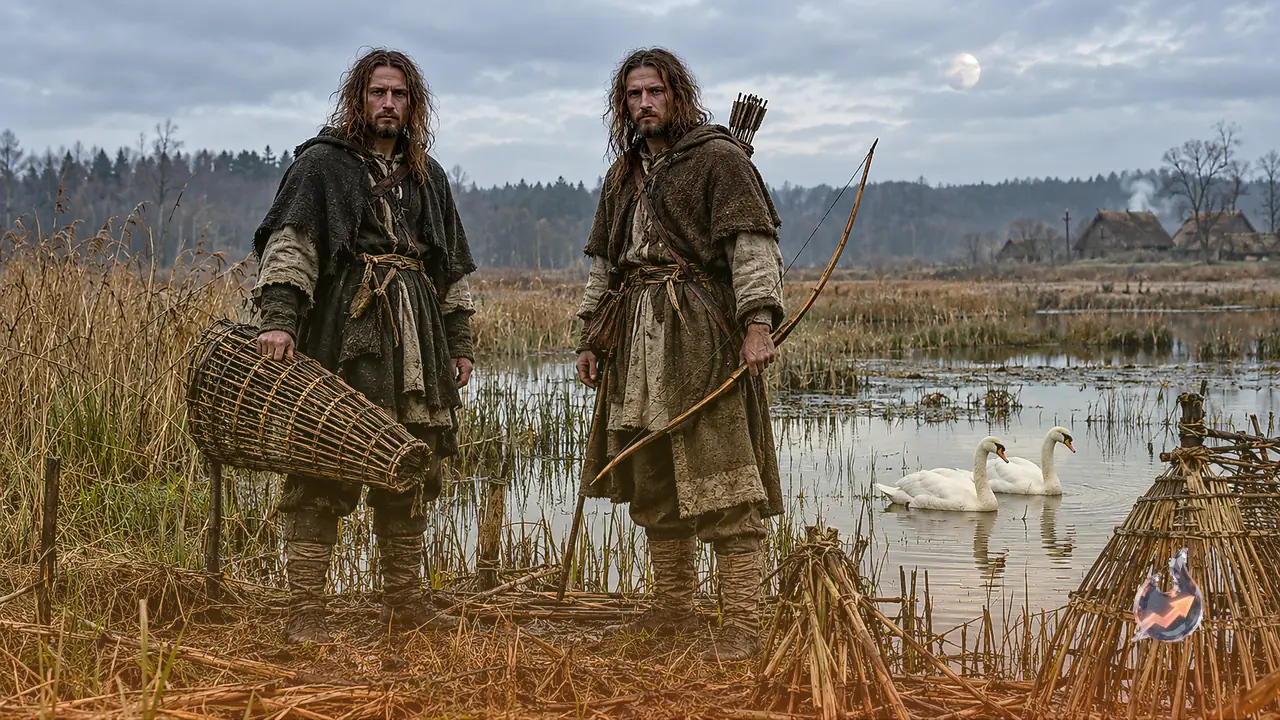

In this Hunter’s Moon review (2026), the psychological terror of historical superstition takes center stage over traditional monster tropes. Developed by independent studio Twin Swans, the narrative adventure unfolds in 17th-century England during the eerie hours of the hunter's moon, the opening full moon following the harvest moon. Players inhabit Lilith Thorne, an innocent young villager wrongfully accused of practicing dark witchcraft. Ruthlessly hunted across an isolated countryside by the Witchfinder General and his relentless cohort Purdy, Thorne must flee into the night. Her frantic bids for sanctuary among lifelong neighbours yield only cruel rejections, with each desperate escape driving her deeper into oppressive isolation.
Historical Realism Over Mystical Folklore
While stories dealing with accusations of the occult frequently indulge in supernatural spectacle, this title firmly roots its tension in grim historical reality rather than mythical enchantments. The environmental dread mirrors classic folk-horror sensibilities, yet Lilith possesses zero arcane abilities. Her entire background consists of traditional knowledge passed down through generations, focusing on medicinal herbs and village healing. In a climate poisoned by paranoia, such harmless medical acumen is treated as undeniable proof of consorting with the devil. Unfortunately for Lilith, a familiarity with curative flora offers no physical defense against the armed witch hunters scouring the landscape.
Paranoia, Exclusion, and Solitary Flight
The core terror within the adventure stems entirely from the hostility of the surrounding community. Experienced through a continuous first-person viewpoint, the world generates a relentless feeling of abandonment and alienation. Ordinary villagers rarely emerge into plain view, appearing almost exclusively as dark silhouettes moving behind the tattered window drapes of rundown timber residences. Lilith can rarely interact with them beyond crouching under sills to eavesdrop on their murmurs. Striking a timber door in hope of shelter provokes only venomous shouts demanding she leave, followed by grim vows to alert the Witchfinder to her precise location.
This unbroken rejection quickly sparks self-doubt within the player, prompting difficult choices about whether knocking on a nearby cottage is worth the risk of discovery. Moving the narrative forward remains the principal gameplay system throughout the journey. Even if Lilith finds herself trapped or detained, opportunities arise to break away and resume running across the countryside. Beyond brief stealth segments through maze-like terrain and rare sprint sequences, the title operates almost strictly as a narrative walking simulator, relying on environmental storytelling to drive momentum.
Sparse Visuals and Unnerving Aesthetic
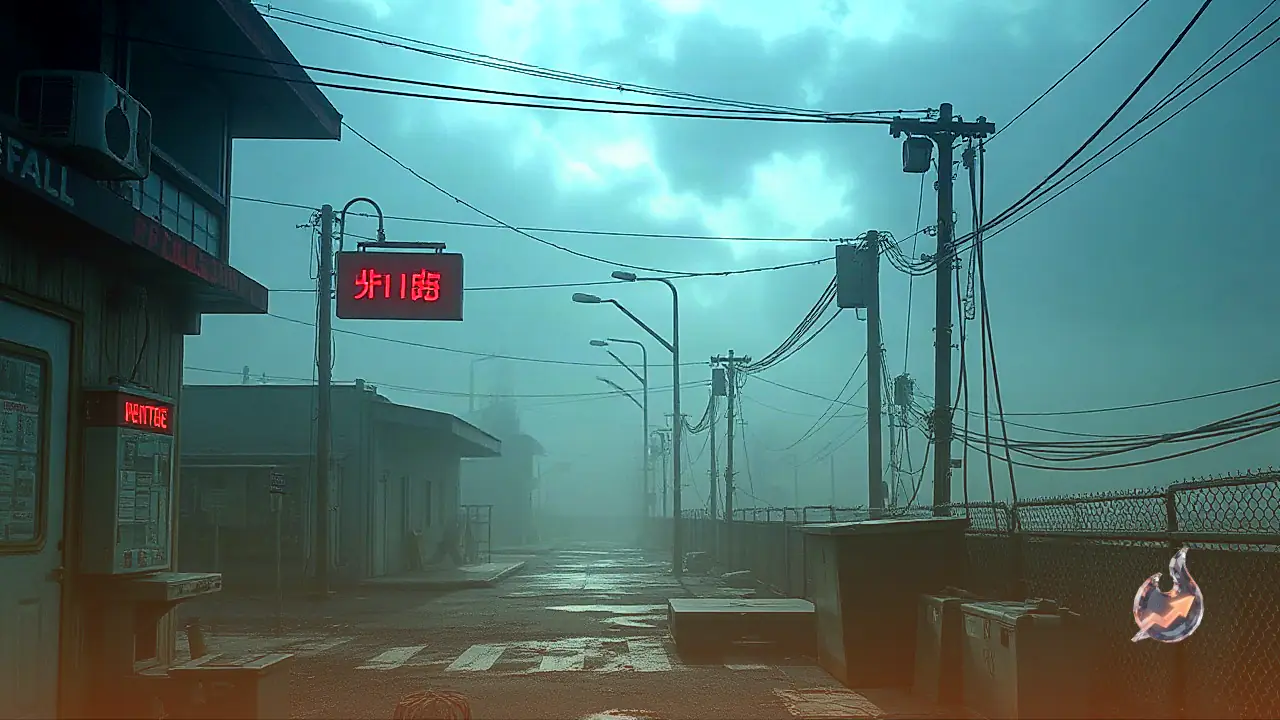
Stripping away head-up displays and on-screen overlays, the game presents a stark, uncluttered view of its desolate landscape. This austere framing amplifies the creeping vulnerability of every path. The developers utilized intentionally low-polygon assets and stuttering frame rates to give the environments a ragged, unsettling cadence. The sparse human figures Lilith encounters outside residences carry deeply disturbing forms, including a figure reminiscent of the Welsh Mari Lwyd folk tradition blended with primeval woodland mysticism. These bizarre encounters inject a surreal dread that surpasses the quiet isolation of the woods.
Sound Design and Societal Critique
The audio production stands out as the most accomplished element of the entire experience. Exceptional voice performances echo throughout the campaign, capturing the frantic whispers of hundreds of hidden inhabitants behind heavy doors, beside lonely trees, and inside rocky hollows. These recorded voices effectively illustrate how systemic panic engulfed every village tier during the historical purge. The spoken exchanges confront the vicious misogyny endured by women of the era with startling candor. The reliance on overheard conversations often turns the gameplay into an audio-focused exercise, compelling players to halt and listen, which enriches the bleak atmosphere.
A Deliberate Burn for Folk Horror Enthusiasts
Launching just ahead of the spooky season, this narrative journey delivers a chilling historical perspective on human cruelty. Nonetheless, its plodding movement and minimal interactive systems may test the patience of mainstream action audiences. The experience prioritizes slowly mounting dread, creeping helplessness, and heavy narrative themes over fast-paced thrills and sudden jump scares. Players willing to accept its deliberate tempo will discover an effective, genuinely haunting portrayal of paranoia and survival under the hunter's moon.