



















A critical The Legend Of Zelda: Ocarina Of Time review (2026) must confront how difficult it is to reimagine a title frequently held up as gaming perfection. When the adventure first debuted on the Nintendo 64 in 1998, it reshaped the entire interactive medium. Alongside Super Mario 64, it became a foundational milestone that brought the green-clad hero Link into the third dimension, setting structural benchmarks that defined action-adventure games for decades. Arriving alongside the 40th anniversary of the franchise, this ground-up rebuild for the Nintendo Switch 2 attempts to present an immortal classic to a modern audience while wrestling with thirty years of mechanical progress.
At its heart, the narrative remains one of the finest sagas in the history of Hyrule. Rather than presenting a run-of-the-mill clash against Ganondorf, the plot unfolds as an intricate, time-bending odyssey. Players control Link across two distinct life stages, shifting between childhood and adulthood to untangle cause-and-effect puzzles spanning seven years. Both eras are filled with distinct personalities who anchor the world in genuine emotional stakes, while era-specific gear and environmental restrictions create clever progression gating that solidified its status as an all-time classic.
Hyrule Reimagined Through Switch 2 Hardware
While the original 1998 edition remains accessible through the Nintendo Switch Online classic game library, its archaic control mapping and blocky polygons feel stiff to anyone without deep nostalgia. The 2026 remake steps into that void by leveraging the considerable hardware jump of the Nintendo Switch 2, producing an undeniably striking presentation across the landscape.
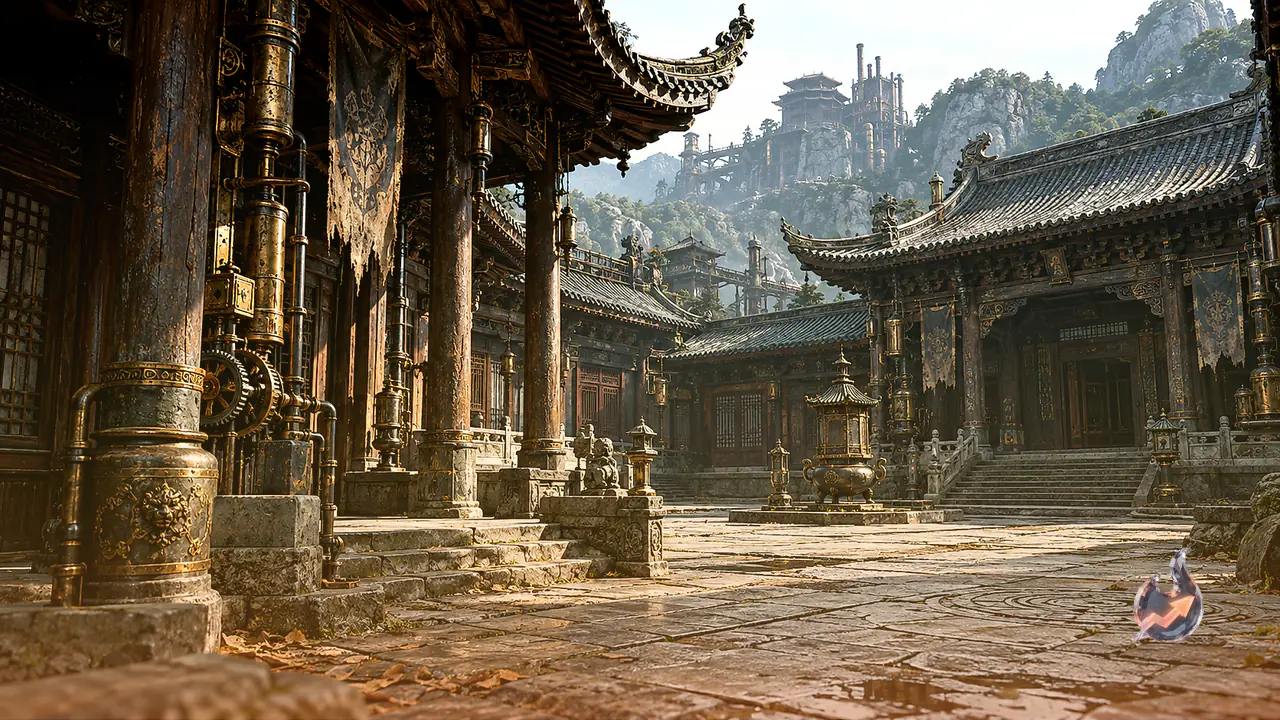
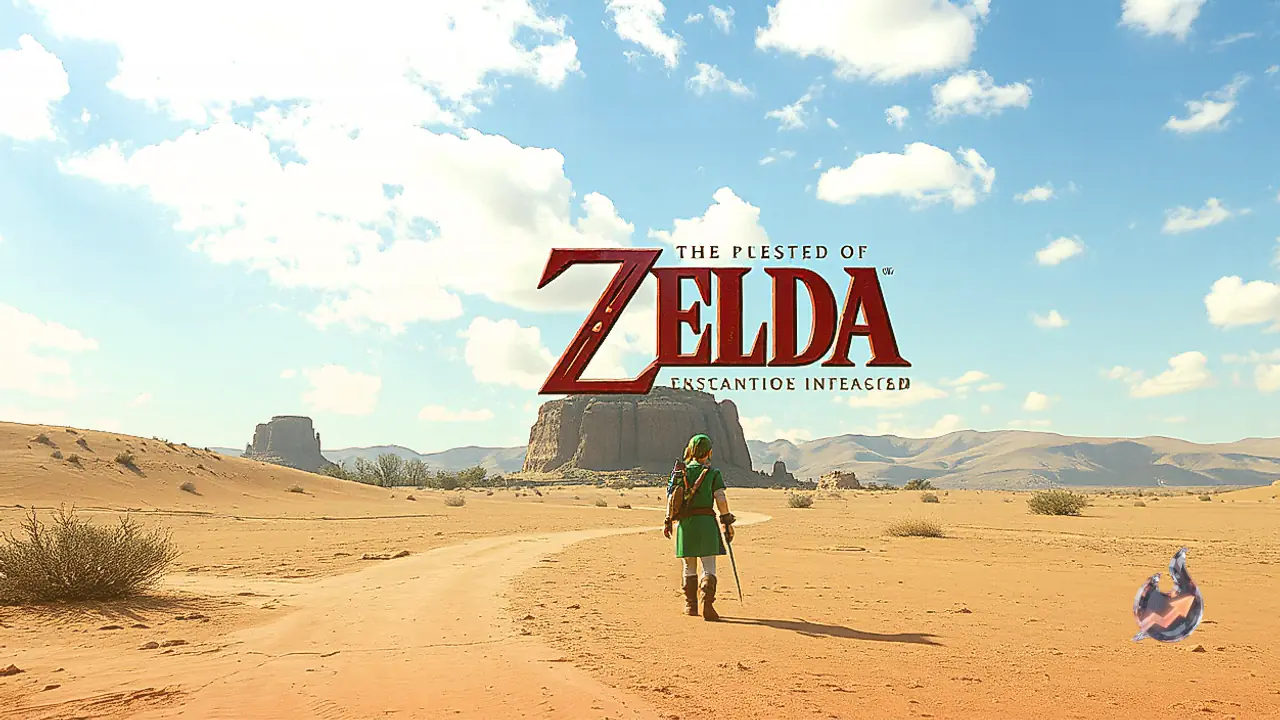
Hyrule Field is transformed into an expansive canvas where individual grass blades ripple under wandering breezes. Market towns feature intricately constructed buildings brimming with period detail, while subterranean dungeons present moodier lighting and enhanced environmental tension. For those looking to soak in the upgraded vistas, a newly introduced toggle disables the heads-up display entirely, allowing the unadorned scenery to take center stage.
Character Aesthetics and Uncanny Valley Pitfalls
Where the environmental artistry flourishes, character modeling stumbles in ways that may frustrate longtime fans. The craft applied to costume materials is impressive, particularly the woven fabric textures defining Link's iconic tunic. However, the facial rendering carries an artificial, porcelain-like gloss that pulls figures into the uncanny valley.
This unsettling finish extends beyond humanoid characters into fantastical races like the stony Gorons and aquatic Zora, both of which suffer from flat, glassy complexions. The youthful iteration of Princess Zelda appears noticeably off in expression and demeanor. Compounding this, the updated visual model and vocal casting for Sheik prematurely reveal pivotal narrative developments long before the intended plot twist occurs, marking an uncharacteristic aesthetic stumble for Nintendo.
Legacy Puzzles Against Contemporary Open-World Design
The central obstacle confronting the 2026 release is the sheer momentum of its own lineage. What once represented the peak of exploratory scale has long been eclipsed by the company's recent open-world masterpieces, Breath of the Wild and Tears of the Kingdom. Hyrule Field, previously celebrated as a boundless realm traversed on foot or atop Link's horse Epona, now reads as barren, with Lon Lon Ranch standing as its solitary central attraction.
The traditional dungeon loop has similarly lost much of its mystique. Navigating corridors, hunting keys, securing a specialized tool, and using that very tool against a dungeon guardian feels exceedingly predictable when measured against modern emergent systems. Every puzzle resolves using the exact methods devised in 1998, leaving veteran adventurers with an identical path through the world and virtually no tactical surprises.
Mechanical Modernization and Audio Features
To smooth out thirty years of friction, the package integrates targeted quality-of-life adjustments. Cinematic sequences now feature complete voice work, elevating dramatic tension even if conversations awkwardly revert to silent text windows outside core cutscenes. The hero himself remains a silent protagonist.
Quest administration benefits from the Threads of Time interface, offering clean organization for branching errands and side activities. Meanwhile, the Hall of Fallen Foes provides a bestiary exhibition space where adventurers can re-engage defeated bosses in targeted rematches.
Among the most playful mechanical inclusions is the integration of the Switch 2 onboard microphone. Players can hum or sing instrument melodies out loud, which the hardware translates into pitch-accurate ocarina notes in real time. Standard gameplay inputs have also been aligned with modern conventions, providing dual-analog camera movement, optional gyroscopic aiming, a dedicated manual jump command, and an active sprint ability to shorten traversal times. Furthermore, equipment can now be cycled through quick-select wheels, eliminating the need to pause and sift through inventory menus.
Final Assessment: A Reverent Four-Star Rebuild
Navigating a ground-up remake of this magnitude is a precarious assignment. Modifying too many core systems alienates players who revere the 1998 release, whereas preserving every detail risks rendering the update cosmetically superficial. The 2026 package settles firmly in cautious territory. The foundational quest remains a five-star masterpiece of pacing and lore, but as a modernization effort, this four-star remake prioritizes visual polish over genuine mechanical innovation.