























There is a valid concern that as sleep technology advances, it risks becoming overly prescriptive. The key is ensuring these instruments remain supportive rather than directive, encouraging better sleep hygiene without breeding perfectionism or unnecessary anxiety. To identify the top trackers for most users, extensive testing was conducted across smart rings, smartwatches, headbands, and non-wearable devices alongside expert consultations. Following prolonged evaluation, several standout favorites have emerged for monitoring nocturnal rest.
Oura Ring
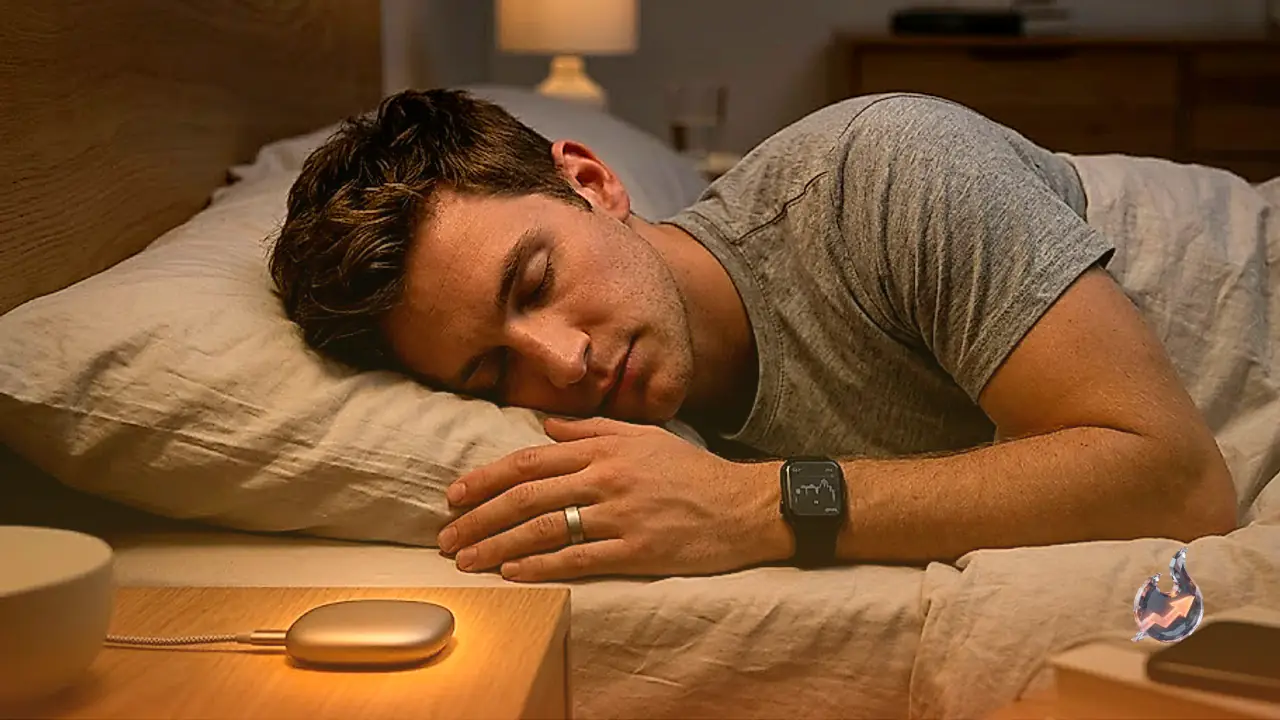
Among all evaluated fitness trackers, the Oura Ring delivers one of the most precise sleep assessments available. The ring incorporates a comprehensive multisensor suite, featuring an 18-path multi-wavelength photoplethysmography sensor to monitor blood oxygen saturation, heart rate, heart rate variability, and respiratory rate. It also houses a negative temperature coefficient thermistor for body temperature tracking alongside a 3D accelerometer capturing movement, sleep stages, and nighttime restlessness. Factors such as total sleep, time in bed, and sleep efficiency are logged nightly via time graphs, with weekly and monthly trends easily accessible. Auto-detected naps are successfully factored into the overall sleep score, offering a significant advantage. The Oura stands out as exceptionally comfortable for overnight wear, supported by an intuitive companion application.
Unlocking advanced health metrics requires Oura's six-dollar monthly membership. Without it, users are restricted to viewing readiness, activity, and sleep scores alongside pre-recorded meditations. Nonetheless, this subscription remains relatively affordable and worthwhile compared to industry competitors.
Google Fitbit Air
For individuals favoring a wristband format, the Google Fitbit Air offers a screenless tracker tailored for high sleeping comfort. According to Google, the Air achieves fifteen percent greater accuracy than its predecessor, introducing refined sleep-stage detection, improved nap tracking, and a dedicated restlessness bar. The device handles missing data points exceptionally well. When the tracker slipped off during one evaluation night, the application generated a low score based strictly on three hours of recorded data rather than artificially fabricating metrics through proprietary algorithms. Acknowledging insufficient information without relying on automated guesses provides a refreshing industry standard.
The companion app organizes data cleanly without overwhelming users with complex charts or dense wellness jargon. An integrated AI Health Coach delivers morning briefings summarizing sleep metrics, eliminating manual interpretation. Users can prompt the coach to convert these insights into actionable recommendations. Most advanced sleep diagnostics require the Google Health Premium subscription priced at ten dollars per month, though purchasing any new Fitbit device includes a three-month complimentary trial.
Eight Sleep Pod 5
The Eight Sleep Pod 5 serves as the premier non-wearable alternative currently available. Designed as a mattress cover, it simultaneously monitors sleep patterns and actively regulates bed temperature, cooling down to 55 degrees Fahrenheit and warming up to 110 degrees Fahrenheit with real-time adjustments tied to biometric metrics. Couples sharing a bed can configure independent temperature zones for each side while the system tracks individual sleep cycles separately. Physical temperature buttons integrated into the Pod 5 allow manual adjustments based on immediate personal preference.
Regarding analytics, the Pod 5 provides metrics comparable to dedicated wearables, encompassing sleep scores, duration breakdowns, heart rate variability, and respiratory rates. Eight Sleep delivers concise morning summaries via text message, removing the necessity to open the application daily. Although minor data discrepancies appeared when benchmarked against the Oura Ring, the system offers sufficient reliability for users avoiding wearable gadgets. Utilizing the full suite requires a twelve-month commitment to the Autopilot plan, which covers automated thermal adjustments, software updates, and thermal alarms.
Alternative Wearables and Non-Wearable Trackers
The Google Pixel Watch 5 is priced at 400 dollars and stands out as a premier Wear OS option for Android users, featuring refined styling and robust accuracy. Deeper sleep insights necessitate the ten-dollar monthly Google Health Premium subscription. The previous-generation Google Pixel Watch 4 retails at 350 dollars, making clearance sales an attractive entry point for buyers seeking identical software updates.
The Whoop MG costs 239 dollars, presenting a screenless wrist tracker that offers superior sleeping comfort compared to bulkier smartwatches. It tracks metrics like sleep consistency and efficiency, backed by an active sleep coach providing personalized recommendations. The Apple Watch Series 11 priced at 399 dollars leverages built-in heart rate sensors and accelerometers to segment rest into four distinct stages while offering a dedicated sleep score.
Additional hardware includes the Garmin Epix Pro priced at 1,100 dollars, which provides advanced sleep monitoring despite occasionally overestimating total rest duration. The Google Nest Hub second generation costs 100 dollars, utilizing radar and microphones to track nocturnal sounds and snoring without requiring physical contact. The Muse S Athena Headband costs 475 dollars, incorporating EEG brain-sensing technology primarily designed for meditation alongside sleep tracking. The Withings Sleep Tracking Mat priced at 200 dollars slips beneath mattresses to monitor respiration and identify potential apnea risks. Finally, the Withings ScanWatch 2 retails at 370 dollars, combining traditional watch aesthetics with comprehensive health sensors, while the Sleep Routine app costs 60 dollars annually to provide structured stage reports.