




















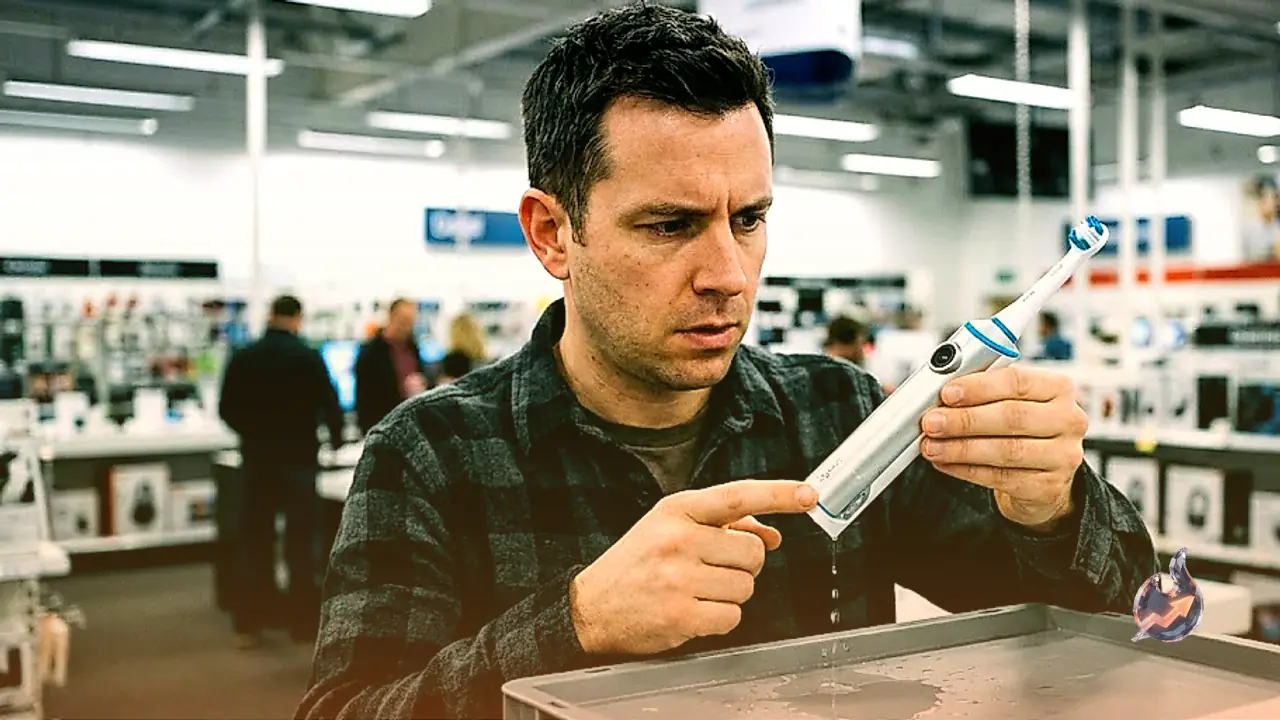

The evolution of dental hygiene stretches back centuries, moving from simple bristles to modern motorized contraptions. Historians trace the earliest bristle toothbrush to China during the Tang dynasty or the fifteenth century, an approach that served basic cleaning needs until Tomlinson Moseley patented the first electric toothbrush in 1937. That design, known as the Motodent, signaled a permanent shift toward powered oral care. Decades later, Dyson built an engineering empire by fundamentally rethinking established household staples, from cordless stick vacuums to high-end hair dryers, despite running into mixed consumer reception with ambitious experiments like its air-purifying headphones. Seeking its next consumer breakthrough, the company gathered attendees at a high-profile Paris showcase where James Dyson personally unveiled the 499 dollar Dyson CameraJet, a high-tech toothbrush equipped with an optical sensor designed to blast fluid between teeth.
Merging mechanical brushing with pressurized flossing is not an entirely untrodden path; products such as the Waterpik Sonic-Fusion 2.0 previously combined both actions into a single head. Dyson, however, raised technical complexity by mounting a dedicated macro-lens camera directly inside the mouth brush. Operating on an algorithm dubbed the Gap Optical Targeting system, trained against a visual library of 470,000 dental scans, the device is engineered to pinpoint interdental gaps within 100 milliseconds. Once aligned, the mechanism dispenses targeted jets using fluid drawn from an integrated 12.5 milliliter mouthwash tank embedded directly within the handle.
Six Years of Engineering Meets Sudden Disappearance
Perfecting the optical flosser demanded six years of active research, 38 registered patents, and significant capital investment. Yet despite the elaborate Paris unveiling, the product has hit immediate turbulence. Only weeks after its global debut, the device has vanished entirely from retail environments, leaving prospective buyers unable to purchase a unit through official channels anywhere in the world. Commercial sales initially began across American retail stores on September 8.
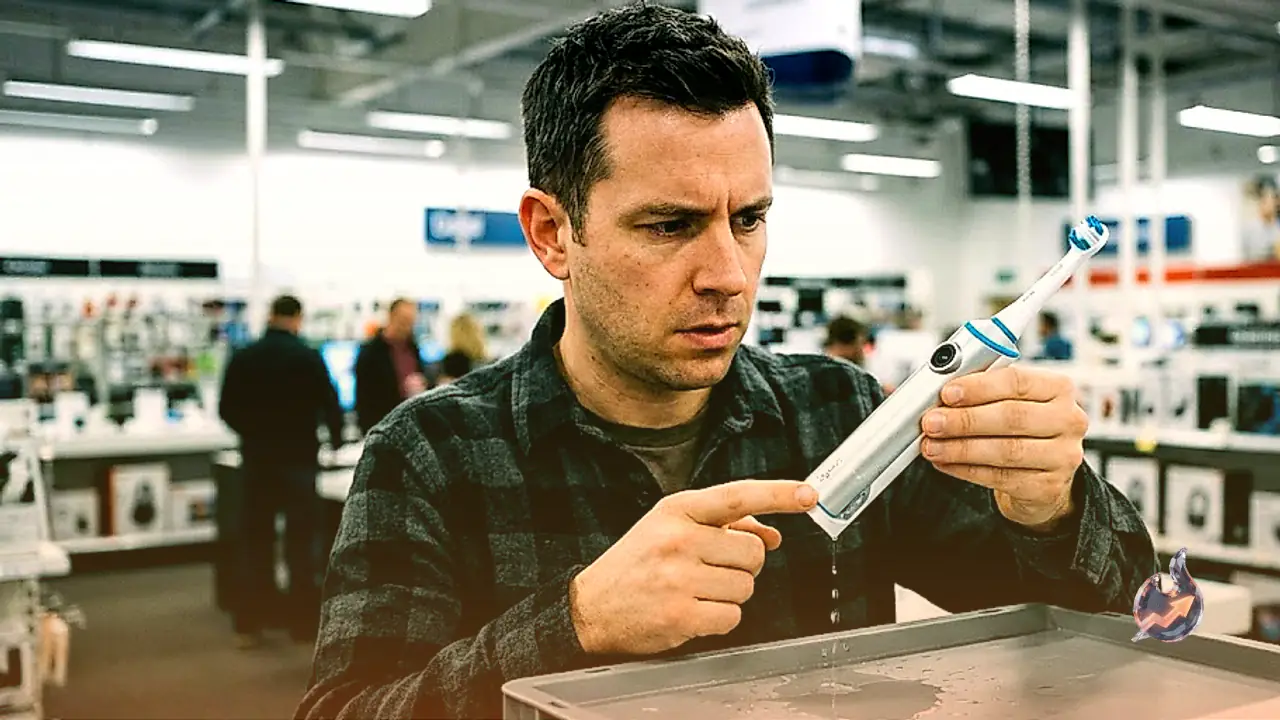
Operational trouble surfaced almost overnight. Within 24 hours of availability, early adopters began reporting catastrophic failures, noting that units abruptly died within 30 seconds of first use and exhibited clear water penetration inside the power housing. A test model acquired by testing organisation Consumer Reports failed completely in under 24 hours from unboxing. International availability unraveled just as quickly: on September 11, French news outlet Numerama reported that domestic Dyson boutiques and web channels had paused transactions. By September 15, inventory was completely pulled across retail outlets in the United States, the United Kingdom, and Singapore, where Dyson maintains its global corporate headquarters.
Pushback on Recall and Silence on Component Defects
Despite store shelves sitting bare and online carts locked worldwide, the manufacturer rejects the idea that a formal product recall is taking place. Liv Thomas, who leads Beauty Communications at Dyson, maintains that the inventory freeze is simply the result of exceptional consumer interest outstripping supply as manufacturing ramps up globally, promising that units will return to shelves in coming weeks. Yet that explanation sits uneasily alongside accumulating consumer reports detailing physical leaks, terminal battery shorts, and hardware failures across multiple territories.
Addressing the breakdowns, Thomas acknowledged that engineers identified a single component issue that impacted an isolated number of early production units, adding that those batches were quarantined while customer care teams assist affected owners. However, the company declined to provide clarity on where, if anywhere, the 499 dollar brush can still be purchased legitimately. Dyson also refused to reveal when distribution was officially halted, declined to name the defective component or explain how it impairs device function, and withheld the total count of compromised units shipped worldwide. Crucially, the firm declined to explain why a hardware defect across early production runs has not triggered an official consumer recall.
Frustration Among Buyers and Engineering Diagnostics
Online discussion channels have turned caustic as early purchasers vent their frustrations, with community members on Reddit labeling the device the ScameraJet. One buyer in Britain detailed their ordeal after purchasing two units that both stopped functioning, expressing dismay that throwing away original packaging prevented returning the devices and lamenting that an expensive tool failed after barely two weeks of ownership.
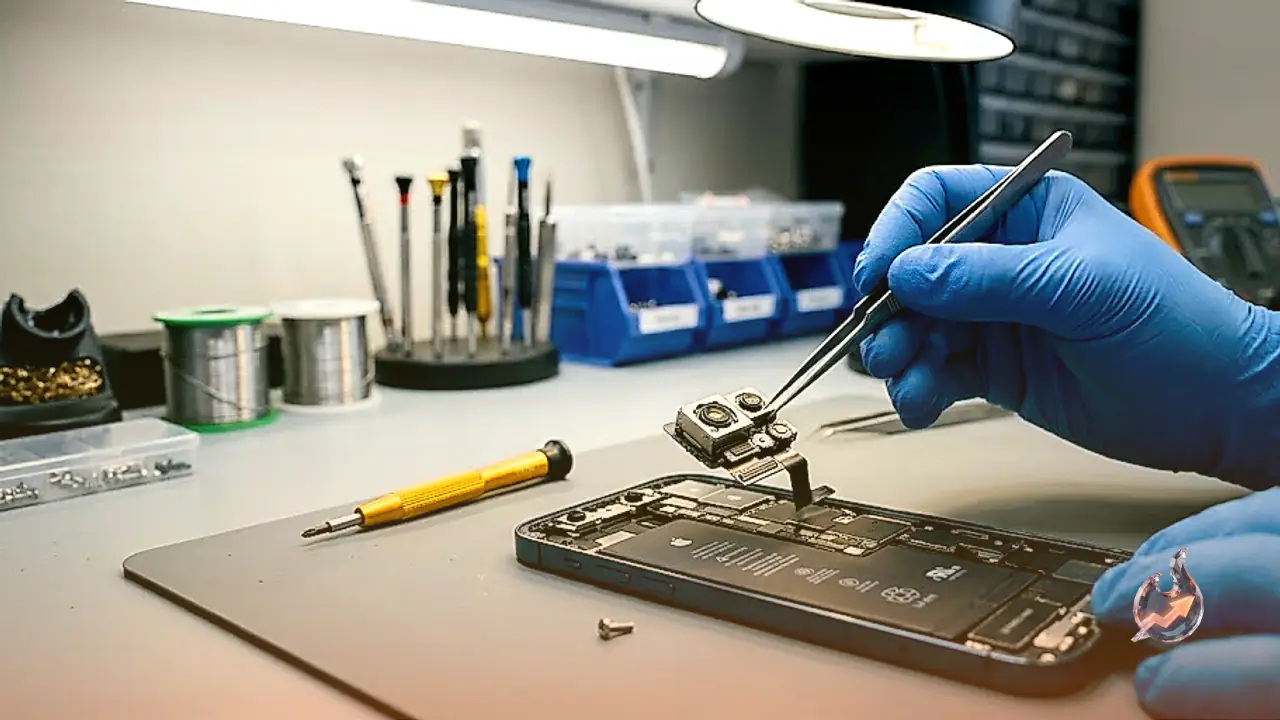
Hardware disassembly and repair specialists see clear signs of fundamental sealing failures. Kyle Wiens, chief executive of repair collective iFixit, points directly to moisture containment issues. Wiens noted that engineering high-volume consumer goods to strict waterproof tolerances remains notoriously difficult. He suggested that without evaluating a damaged board directly, the root cause points toward either mechanical tolerance gaps where molded sections fail to seat properly, or an adhesive curing error occurring during factory assembly or intercontinental freight. Wiens noted that adhesive failure can remain invisible through final factory quality checks, only for ambient temperature shifts and humidity during transit to degrade critical waterproof bonds.
Architectural Vulnerabilities and Repairability Calls
Technical observers in the consumer electronics sector echo similar concerns regarding internal liquid barriers. Adam Toner, founder and technical director of British engineering consultancy Ripcord Designs, which has collaborated with multinationals like Panasonic and Formula One Management, emphasized that moisture should never breach sensitive internal circuitry. Toner observed from teardown material and battery-swapping walkthroughs that separating the power pack, where users consistently report pooling water, appears to leave an unshielded opening into the core electronics cavity.
According to Toner, familiar symptoms like failure to take a charge, severe thermal buildup, and sudden operational death map directly to moisture crossing into live electronics. He suggested the underlying defect could stem from something as basic as an improperly seated O-ring or a flawed sealing gasket. That vulnerability highlights an uncomfortable question for the development team: after dedicating six years, 38 patents, and substantial funds toward an electronic device intentionally submerged in water daily and built to carry onboard liquid, how did waterproofing fall short?
Wiens argued that this rollout crisis should serve as an institutional turning point for how the firm approaches hardware serviceability. He stressed that manufacturing teams clearly did not anticipate this level of defect, arguing that designing products for straightforward disassembly makes factory rework and warranty repairs substantially easier when production defects emerge. Pointing out that the brand lags behind modern electronics peers regarding public part availability and service documentation, Wiens framed the setback as an urgent call to prioritize repair-friendly engineering.