



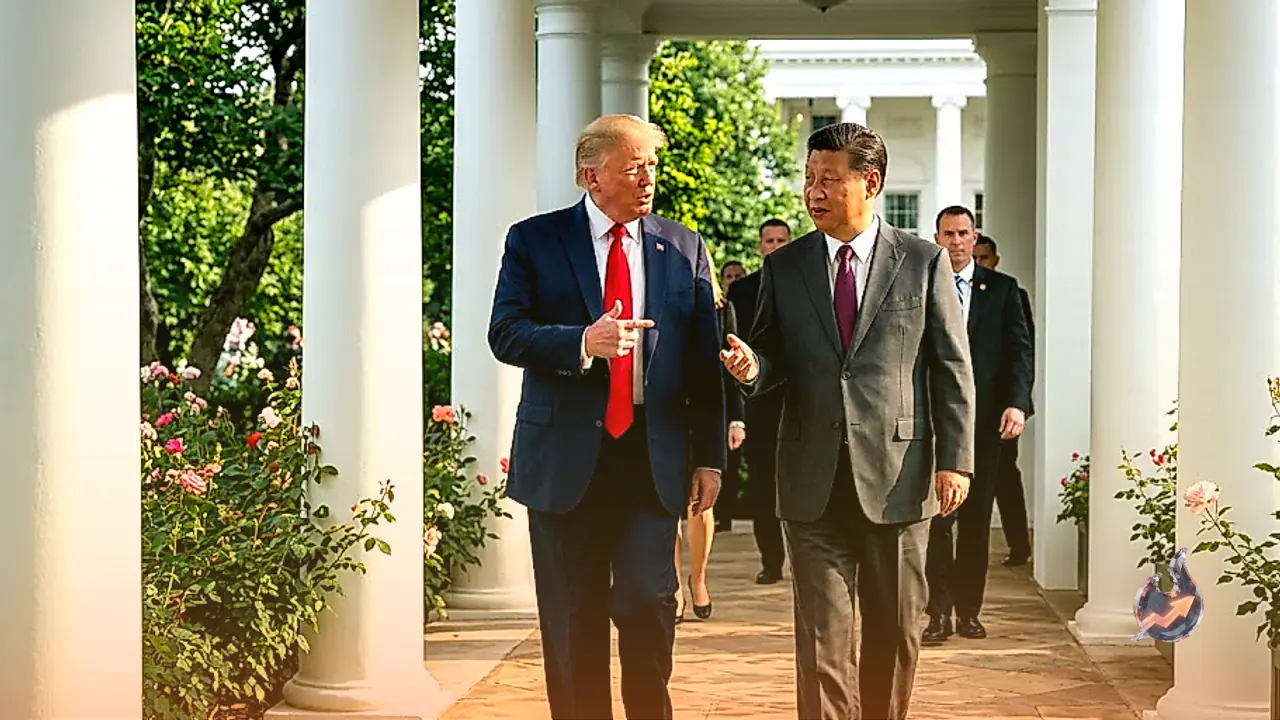


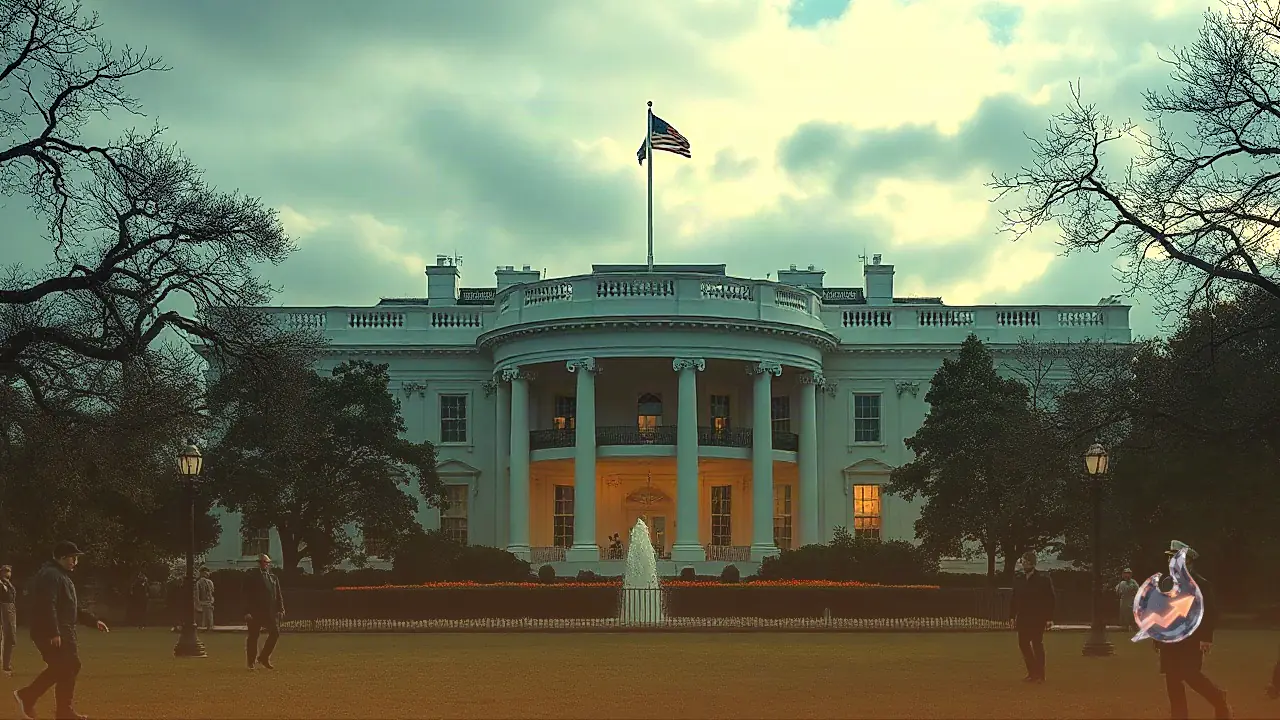















While broader diplomatic gatherings continue to take place across New York, the upcoming bilateral summit between two of the world's most powerful leaders will unfold directly at the White House. In an uncommon diplomatic departure from standard protocol, Trump is scheduled to personally greet Xi Jinping upon his arrival at Joint Base Andrews on Wednesday, September 23. American presidents rarely travel to military airfields to welcome visiting foreign dignitaries, signaling the outsized significance attached to this bilateral engagement.
High-Stakes Preparations Ahead of the Summit
Prior to that high-profile arrival, senior officials from both administrations have been working to hammer out the summit's formal agenda. A United States negotiating team led by Treasury Secretary Scott Bessent and Trade Representative Jamieson Greer has engaged in preparatory sessions with He Lifeng, Vice Premier of China's State Council. A broader perspective on the encounter, outlined by the World Economic Forum, highlights an intricate web of friction points: an unresolved trade dispute, global supply chain resilience, intensifying technological competition, and cross-strait tensions regarding Taiwan. These diplomatic discussions occur against a backdrop of prolonged American military entanglements across the Middle East that carry persistent risks of regional escalation.
The Busan Trade Truce Deadline and Commercial Targets
The economic negotiations center heavily on the bilateral trade framework established during Trump and Xi's gathering in Busan last year. That temporary pact is slated to expire on November 10. Officials from Washington and Beijing must now determine whether to renew or modify the understanding, which previously softened tariff threats championed by Trump and halted port fee escalations. Beyond an outright extension, negotiators could seek to define concrete purchase commitments covering major export sectors, most notably agricultural shipments, energy supplies, and commercial jetliner orders for Boeing. Discussions are also expected to explore a commercial transaction package valued at approximately $30 billion involving non-sensitive merchandise across roughly 10 different categories, though the exact definitions and boundaries of that package remain contested.
Strategic Leverage Around Rare Earth Elements
A crucial outcome of the earlier Busan dialogue was the suspension of Chinese export curbs on rare earth elements and specialized minerals. These raw materials serve as irreplaceable components for global automotive manufacturing, advanced defense equipment, and sophisticated electronics, including the core processing hardware underpinning artificial intelligence. Washington continues to pursue dependable, long-term access to these essential resources. Capitalizing on its dominant command over global extraction and refining capacities, Beijing has effectively used these strategic minerals to maintain significant negotiating leverage over the United States throughout the ongoing trade confrontation.
Artificial Intelligence Safety and Technology Controls
According to Treasury Secretary Scott Bessent, discussions surrounding artificial intelligence safety protocols will formally appear on the summit's bilateral agenda. Corporate executives have persistently lobbied for bilateral clarity in this emerging domain, though private sector interests remain sharply divided regarding desired outcomes. Beijing seeks tangible relief from restrictive American export controls targeting Chinese technology enterprises. Meanwhile, amid growing regulatory advocacy aimed at moderating AI advancement to mitigate systemic risks, a segment of American tech firms harbors deep concerns about falling behind Chinese developers if restrictions are tightened unevenly.
The policy landscape remains deeply unsettled, particularly as Trump has routinely brushed aside domestic appeals for rigid regulatory oversight. Furthermore, these technological governance topics are fundamentally intertwined with broader trade disputes regarding export prohibitions on high-end semiconductors, manufacturing equipment, and related chemical inputs.
Geopolitical Frictions Over Taiwan, Iran, and Detainees
Economic discussions must navigate deeply entrenched political fault lines. Beijing has issued warnings that it could abandon summit participation altogether should the United States authorize fresh military arms packages for Taiwan. Assuming discussions proceed, delegations are also slated to address Chinese commercial linkages with Iran along with the ongoing detention of foreign nationals. Observers anticipate that both administrations will proceed deliberately, refusing to relinquish strategic leverage and thereby limiting the scope of any dramatic policy shift. A previous encounter staged this past May in Beijing proved rich in ceremonial presentation yet yielded minimal substantive concessions, leaving expectations tempered ahead of the Washington meeting.