
























A leaking pipe or an overflowing washing machine can cause thousands of dollars in damage before anyone notices, which is why insurance companies increasingly reward homeowners who install a smart leak sensor with lower premiums. Anyone shopping for one this year should first call their insurer to ask what discounts or preferred brands they support before buying anything.
A budget kit that covers an entire home
The X-Sense SWS0A41 stands out among the many devices tried over the past year because it bundles four capable leak sensors with a hub for a price that undercuts most single-sensor competitors. Setup involves plugging in the hub, scanning a QR code to join it to a Wi-Fi network (note that it only supports the 2.4-GHz band), then pairing each sensor through the app before scattering them around leak-prone corners of the house.
The sensors themselves are round and still fairly large, but the newest version shaves their thickness down to just 17 millimeters, a noticeable slimming from the previous generation that makes it far easier to tuck one under a dishwasher, washing machine, or water heater. Each sensor has an indented top fitted with two metal prongs that catch dripping water, plus four more prongs on the underside built to sense pooling water as shallow as 0.3 millimeters.
One trade-off compared with the older model is that these newer sensors no longer carry their own built-in siren. Instead, a red LED flashes on the sensor itself while the hub sounds a much louder alarm, reaching up to 100 decibels. Owners also receive push notifications and email alerts, including warnings when a sensor's battery is running low or when a unit drops offline. In hands-on trials the sensors reacted quickly and consistently across repeated leak simulations. Every sensor carries an IP66 water-resistance rating and ships with two AAA batteries already installed, good for roughly two to three years of use, which is fortunate since swapping them out is a fiddly process.
Buyers who specifically want the sensor itself to beep, rather than relying solely on the hub, may prefer the previous-generation SWS54 kit, priced around $50. The newer SWS0A41 kit lists for $63 but has been discounted to $53, while a single add-on sensor runs $16, reduced to $12. In the United Kingdom the kit sells for £70, discounted to £51.
Not every detector held up
Not every product tried delivered good results. The First Alert L1 Wi-Fi Water Leak and Freeze Detector is not being recommended based on how it performed during testing.
The different styles of leak detectors on the market
Leak detectors come in several physical formats. Some rely on a cable with a sensor fitted at the tip, others use a water-sensing cord that runs along the floor, and many are fully self-contained units with sensing contacts on the top, the bottom, or both. Several brands also sell extension nodes that let a single hub cover more locations. At the top of the market sit water shutoff valves, which must be physically fitted into a home's pipework so they can measure water flow directly and automatically cut off supply the moment a leak is detected. Combining both approaches, cheap spot sensors near appliances and a flow-monitoring shutoff system on the main line, gives the most complete protection against everything from a slow drip to a burst pipe.
How many sensors a household needs depends entirely on what it is trying to protect. A single appliance or a known trouble spot might only need one unit, but covering an entire house usually calls for several devices spread across the property.
Where to actually place them
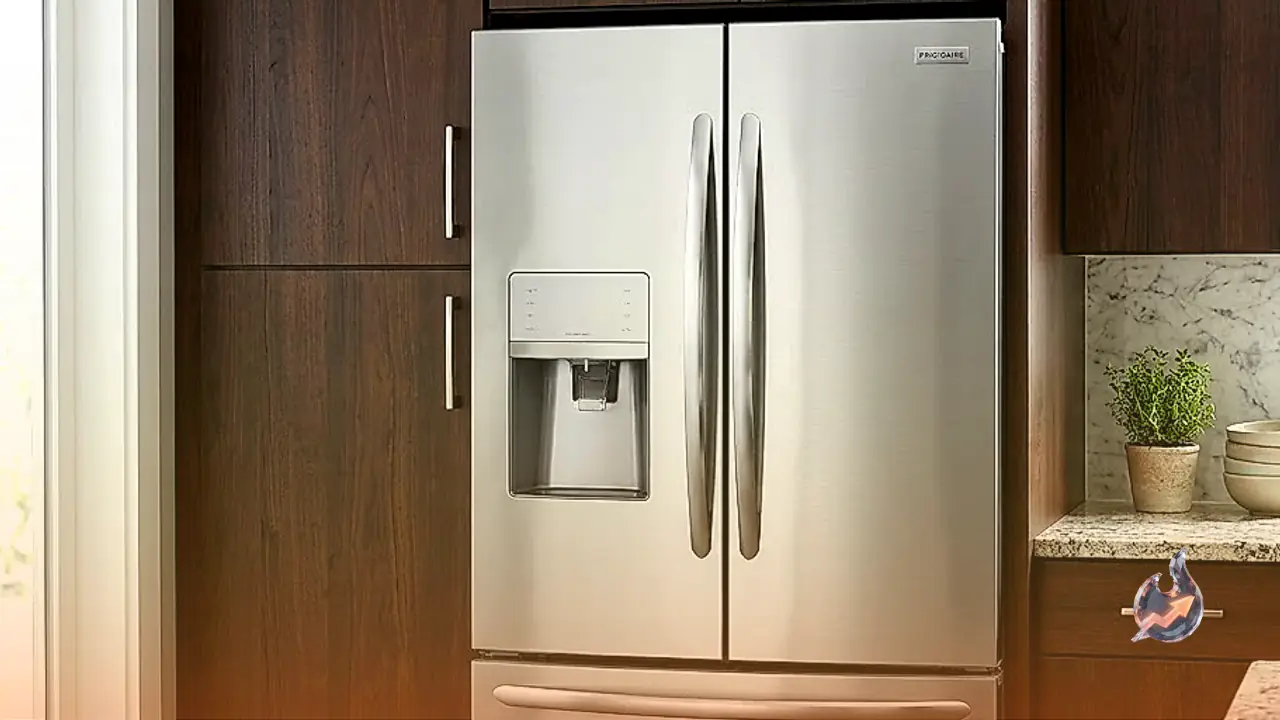
Good candidate spots include under the kitchen sink, behind toilets, beside washing machines, humidifiers, water heaters, and other water tanks. They also work well in basements, lofts, garages, outbuildings, and vacation homes that sit empty for long stretches. Other worthwhile locations include underneath the bathtub, behind a refrigerator that has an ice or water dispenser, especially one plumbed directly into the water line, near an HVAC condensate pan, or beside a sump pump or pit. Any spot that has flooded before, or any aging appliance that causes concern, is also worth covering.
Alerts, power, and extra features
Every leak detector on the market sends a push notification when it senses trouble, though some go further with email and text alerts too. Most units include some kind of built-in audible alarm, while others rely on a separate siren or can be wired into smart speakers and other connected devices to sound an alert. It is worth confirming whether a chosen model offers disconnection alerts, which flag a lost Wi-Fi or power connection before it becomes a blind spot.
Power comes from either batteries or a direct outlet connection. Plug-in units can largely be forgotten about once installed, while battery-powered sensors offer more flexibility over where they can be placed, and their companion apps typically warn well ahead of a battery running out.
At the premium end, some systems pair a water-monitoring device with an automatic shutoff valve, so a detected leak physically stops the water supply. These setups tend to be costly and generally require a professional to install them.
Several smart leak detectors can also track temperature and humidity, which can flag the risk of frozen pipes or a damp environment that hints at a hidden leak nearby. Reviewing that data over time makes it easier to spot a meaningful change that deserves a closer look, and pairing the sensor with smart home automation can trigger a heater or a fan automatically to limit potential damage.
How these detectors were put through their paces
Testing involved three separate scenarios for each device: dripping water directly onto the sensor, letting water pool slowly underneath it, and flooding it rapidly, all to gauge both accuracy and response speed. Every companion app was installed and every available alert option was checked, confirming that notifications arrived on a phone whether it was connected to Wi-Fi or running on cellular data. Batteries were also removed, or units unplugged, to see whether the app correctly flagged the disconnection and to confirm each sensor recovered properly once power was restored.