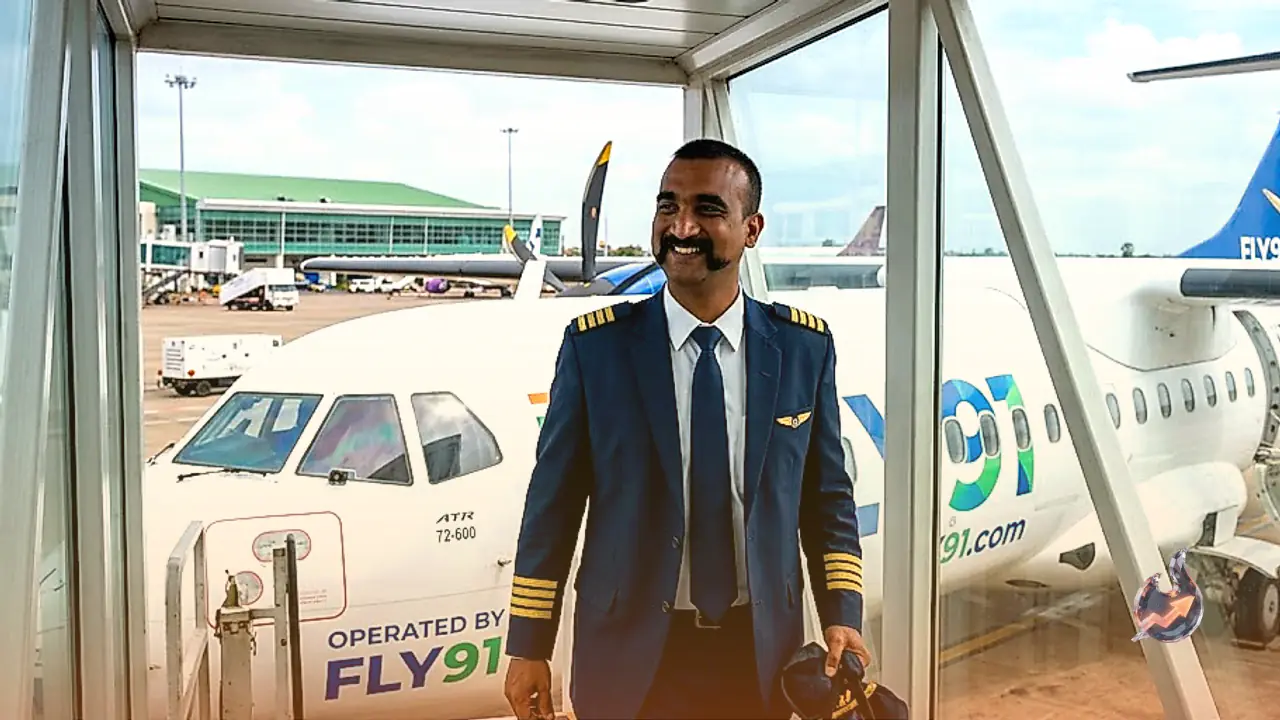




















Group Captain Abhinandan Varthaman, the celebrated Indian Air Force fighter pilot who gained international prominence during the 2019 India-Pakistan aerial engagement, has once again captured national attention. The decorated military officer has formally resigned from the Indian Air Force, concluding a distinguished career in defense aviation. Following his departure from military service, he is preparing to embark on a new professional chapter in civil aviation. According to industry developments, Abhinandan Varthaman will soon be piloting commercial aircraft for Fly91, a Goa-headquartered private regional carrier.
Resignation From the Indian Air Force and Transition to Commercial Aviation
Having served the nation in high-tempo military operational environments and earning widespread recognition for shooting down an enemy combat jet, Group Captain Abhinandan Varthaman emerged as one of the most recognizable figures in Indian military history. After years of service in fighter squadrons and achieving senior rank, he has chosen to transition his extensive flight experience to the commercial aviation sector. His decision to join Goa-based private carrier Fly91 has generated substantial interest across the defense and aviation communities. When approached regarding his appointment, an official spokesperson for Fly91 declined to provide specific details, maintaining that employee personal and professional information remains strictly confidential. Consequently, the airline has not released official documentation detailing his specific administrative or operational designation.
The Historic Aerial Dogfight of 27 February 2019
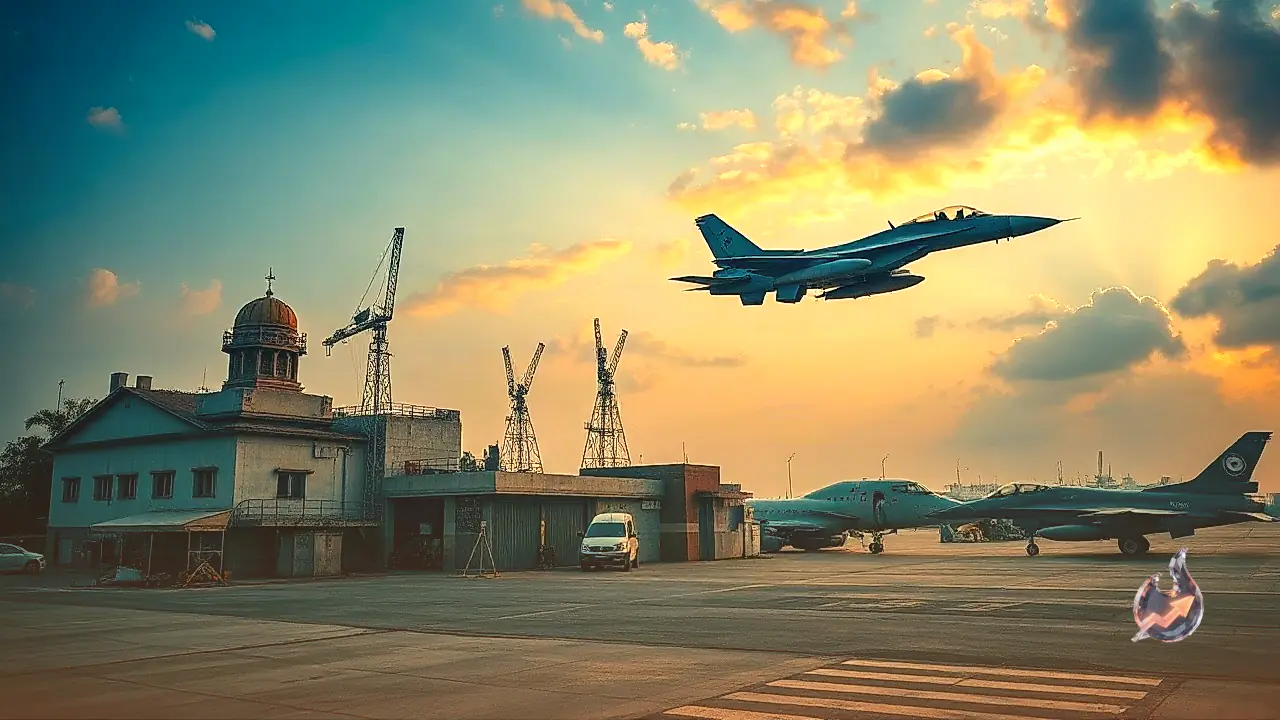
The most defining moment of Abhinandan Varthaman's military career occurred on 27 February 2019. At the time, he held the rank of Wing Commander in the Indian Air Force and was deployed at the Srinagar Air Force Station, performing duties on the 'Operational Readiness Platform'. On that morning, a large package of hostile fighter jets belonging to the Pakistan Air Force was detected advancing toward the Line of Control (LoC) heading toward Indian territory. Within just five minutes of the detection signal, Abhinandan Varthaman was scrambled in his MiG-21 Bison interceptor to engage and deter the incoming adversary aircraft.
During the intense aerial confrontation that ensued over the border region, Abhinandan demonstrated exceptional combat skill by locking onto and destroying an advanced Pakistani F-16 fighter jet. This action marked a rare historical milestone in modern air warfare, as a legacy airframe successfully engaged and neutralized a technologically superior adversary jet. However, during the chaotic dogfight, another hostile aircraft launched multiple Beyond Visual Range (BVR) missiles. One of these missiles struck his MiG-21 Bison, inflicting severe damage on the aircraft and forcing him to execute an emergency ejection over hostile territory.
60 Hours in Hostile Custody, Viral Recognition, and Honor
After ejecting from his damaged aircraft, Abhinandan Varthaman landed across the Line of Control in Pakistan-occupied territory. Despite sustaining physical injuries during the ejection, he maintained steadfast military discipline and composure before being taken into custody by Pakistani forces. He remained in Pakistani military captivity for approximately three days, totaling 60 hours. Intense diplomatic efforts by the Indian government, international legal pressure under the Geneva Conventions, and overwhelming public solidarity ultimately compelled his release. On 1 March 2019, Pakistani authorities handed him over to Indian officials at the Attari-Wagah border crossing.
Upon returning to India, Abhinandan was accorded a hero's welcome across the country. Video footage and photographs of his calm demeanor, dignity, and unflinching resolve while under interrogation went viral on global media platforms and social media networks, turning him into the most photographed fighter pilot in the nation. His distinctive handlebar mustache quickly became a widespread cultural trend among Indian youth. In recognition of his extraordinary gallantry, tactical skill, and exemplary devotion to duty under extreme duress, the Government of India conferred upon him the Vir Chakra, the nation's third-highest wartime military decoration. He was subsequently promoted to the rank of Group Captain.
Operational Network and Fleet Profile of Fly91
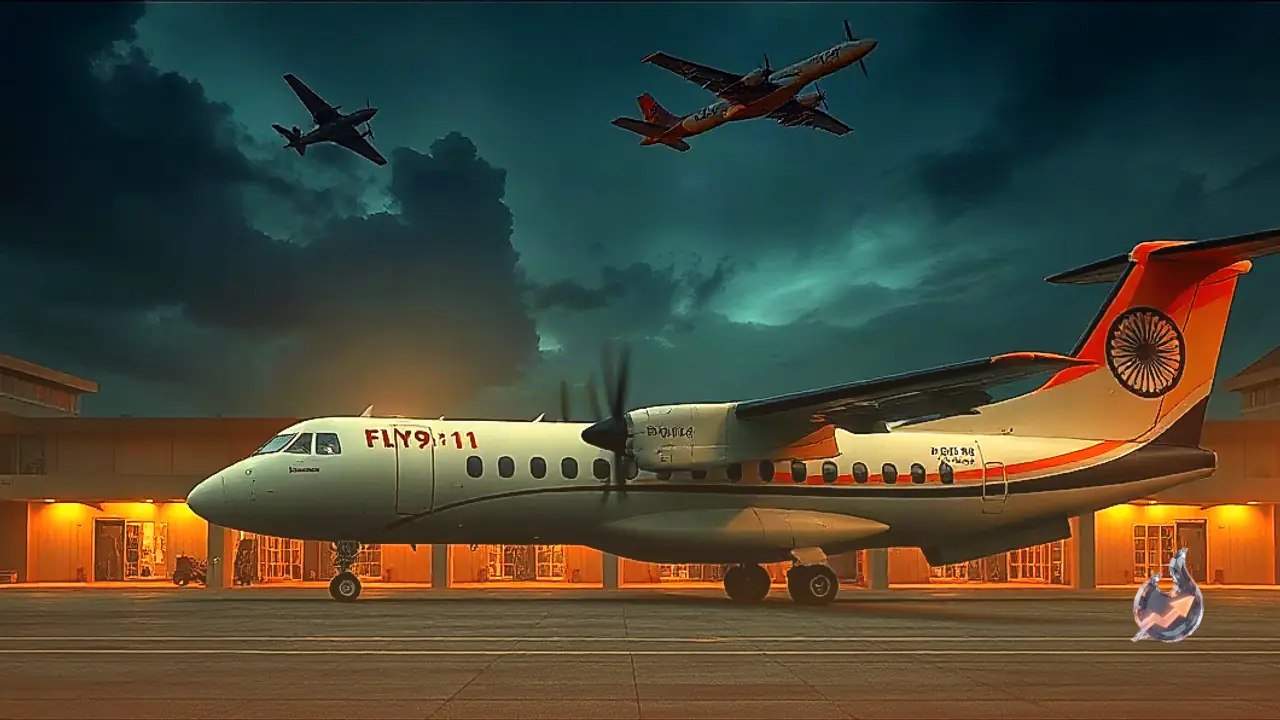
The commercial airline that Abhinandan Varthaman is joining, Fly91, represents a relatively new entrant in India's rapidly expanding civil aviation landscape. Fly91 officially launched its commercial flight operations in March 2024. Headquartered in the coastal state of Goa, the regional carrier focuses on strengthening connectivity between tier-two and tier-three cities across the country. The airline currently operates an operational fleet of six ATR 72-600 turboprop aircraft, which are specifically suited for short-haul regional routes.
To support its growing flight schedules and network distribution, Fly91 has established two primary operational bases, located at Goa and Hyderabad. These dual operating hubs handle flight dispatch, crew scheduling, and maintenance coordination. The addition of a highly experienced former military pilot like Group Captain Abhinandan Varthaman is viewed as a significant operational asset for Fly91 as it continues to expand its domestic flight services and commercial presence across India.