






















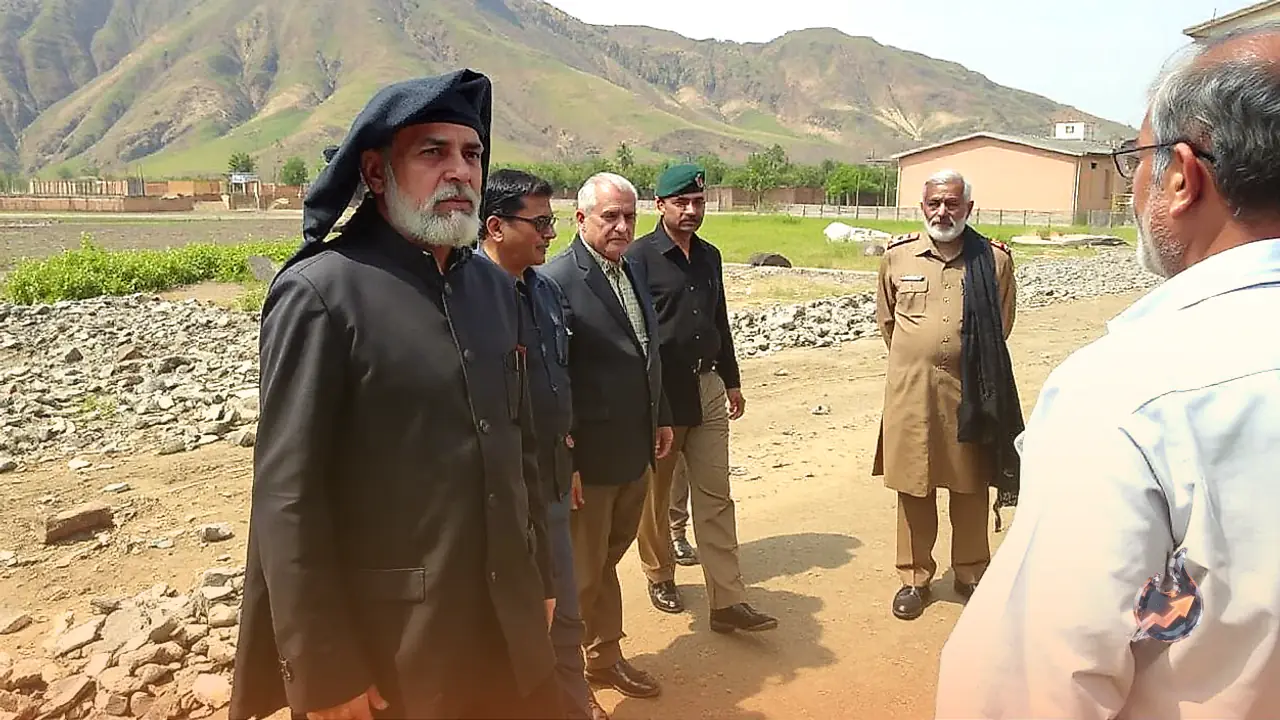

A prominent defense expert in Pakistan has urged the national leadership to prioritize resolving outstanding disputes with India rather than focusing elsewhere. Speaking at a think tank event in Islamabad, the former military official emphasized that closing a crisis without addressing its root causes merely lays the groundwork for more dangerous confrontations down the road.
Urgent Need for Kashmir and Indus Water Solutions
During the gathering hosted by the Strategic Vision Institute, retired General Zubair Mahmood Hayat stated that achieving lasting peace requires addressing the Kashmir dispute and restoring the Indus Water Treaty. Reflecting on the military engagements between India and Pakistan in May 2025, he noted that relying exclusively on a deterrence posture is no longer enough to guarantee future stability.
The Illusion of Nuclear Safety
He argued that the most critical takeaway from recent history is not that conflicts between nuclear-armed neighbors can be normalized, but rather that no military scenario can be deemed entirely safe from escalation. Deterrence alone cannot permanently shield the region from accidental or miscalculated warfare.
New Technologies and Shorter Decision Windows
The former official warned that future crises could unfold under entirely different political leaderships and advanced technological conditions. With significantly less time to make critical decisions, the margin for error shrinks drastically, increasing the risk of miscalculation and unintended escalation across the region.
Lack of Regional Security Architecture
South Asia continues to grapple with a fragile peace due to the absence of an inclusive regional security framework, effective crisis management mechanisms, and consistent political dialogue. The region remains precariously balanced between maintaining nuclear deterrence and navigating recurring disputes that threaten stability.
Accidents and Unverified Claims
He also cautioned that unverified allegations made by governments before establishing facts could easily trigger major hostilities. Future conflicts might erupt not from deliberate state decisions, but rather from sudden accidents or mismanaged operational friction.