

















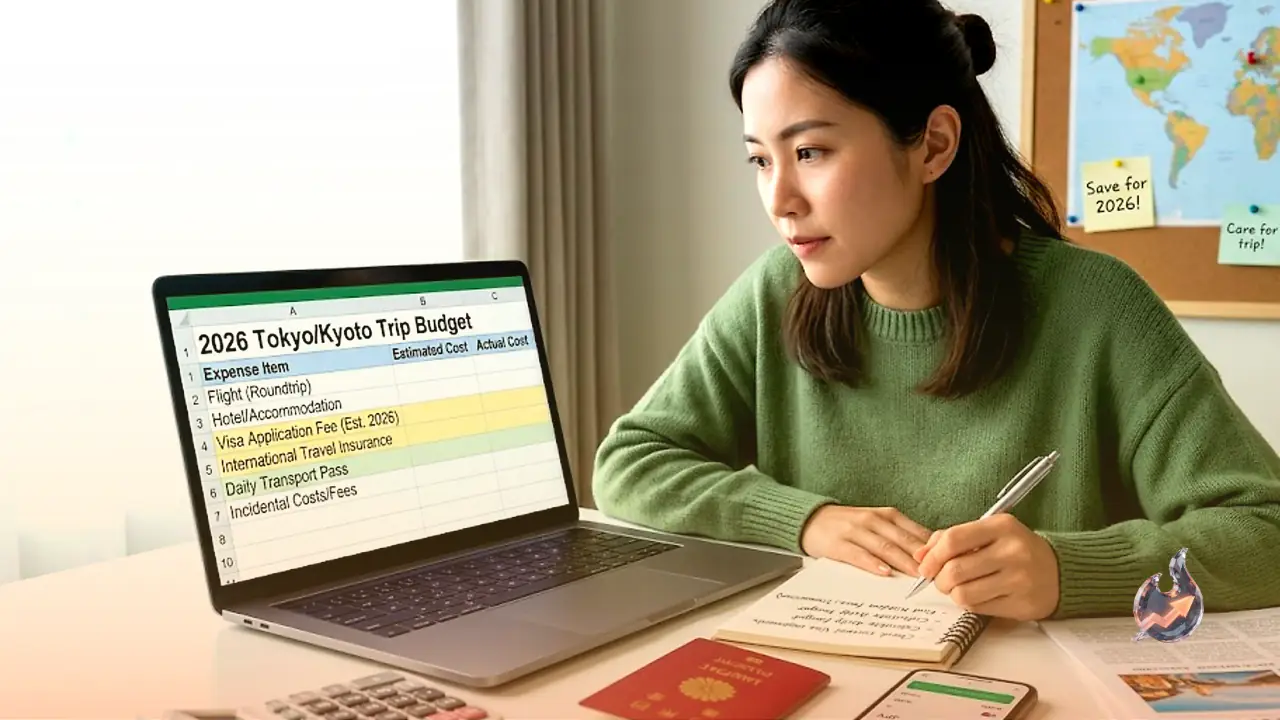

Planning an international trip from India in 2026 requires precise financial foresight. Global inflation and rising visa fees have significantly increased total travel outlays. Most travelers focus only on flights and hotels. However, daily spending and hidden costs often determine your real budget. Understanding regional price differences helps you avoid financial stress mid-trip.
Visa and Currency Dynamics
Visa costs for Indians vary greatly by destination and processing speeds. Schengen visa fees now exceed ninety euros due to recent adjustments. The United States of America (USA) B1 or B2 visa costs around fifteen thousand rupees. You must also factor in the five percent Tax Collected at Source (TCS) on foreign exchange. Currency fluctuations can add unexpected weight to your travel bills.
Daily Budget Breakdown by Region
Southeast Asia remains the most affordable region for Indian passport holders. Countries like Vietnam and Thailand offer budget-friendly food and local transit options. A daily budget of four thousand rupees covers decent meals and stay. Conversely, the Gulf region requires a higher daily allocation. Travelers to Dubai should budget at least ten thousand rupees per day.
- Southeast Asia: Visa Cost ₹0 - ₹5,000, Daily Budget ₹3,500 - ₹5,000
- UAE and Gulf: Visa Cost ₹6,000 - ₹9,000, Daily Budget ₹9,000 - ₹13,000
- Europe (Schengen): Visa Cost ₹9,000 - ₹12,000, Daily Budget ₹15,000 - ₹22,000
- North America: Visa Cost ₹15,500 - ₹18,000, Daily Budget ₹20,000 - ₹30,000
Smart Strategies for Budget Travelers
Accommodation trends for 2026 favor short-term rentals over traditional hotels, as kitchen facilities help save on food costs. Public transport passes are another great way to minimize daily spending. Booking ahead using a Forex Card avoids high dynamic currency conversion fees. Every traveler must maintain an emergency fund of twenty percent to handle unforeseen medical issues or lost luggage. Travel insurance is no longer optional but a vital safety net. While digital payments through Unified Payments Interface (UPI) are expanding, keeping some cash remains essential.