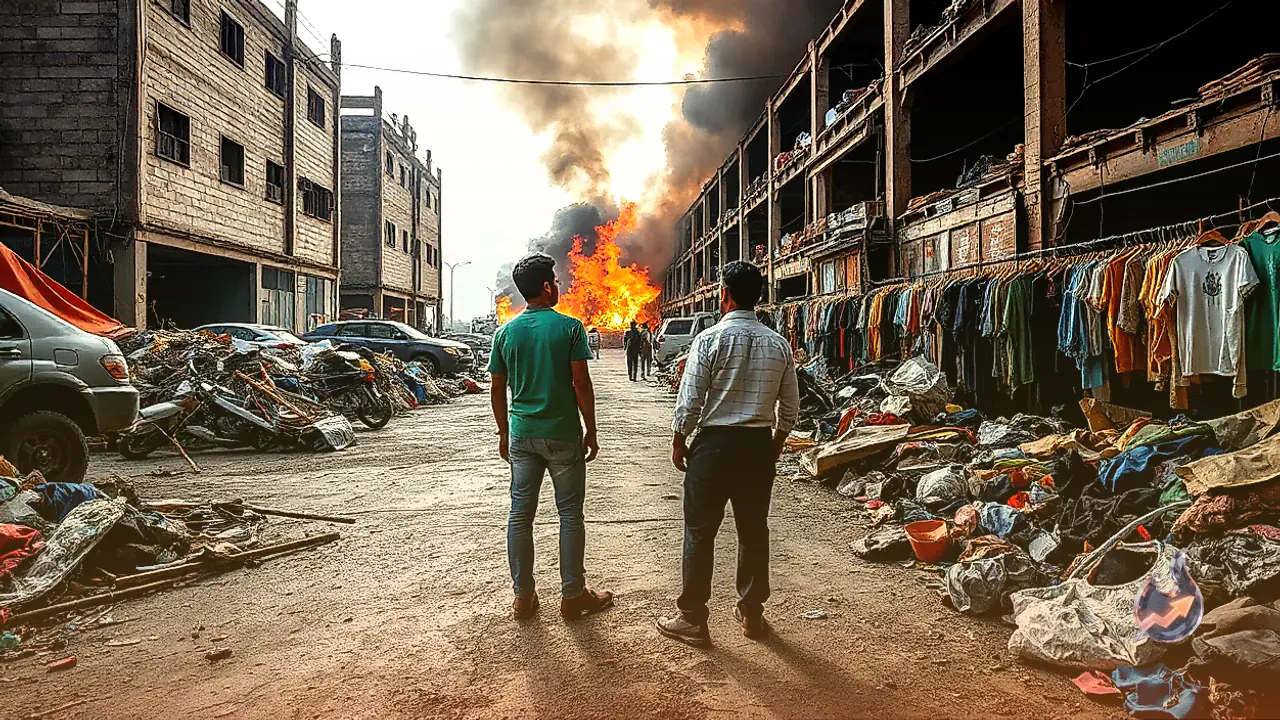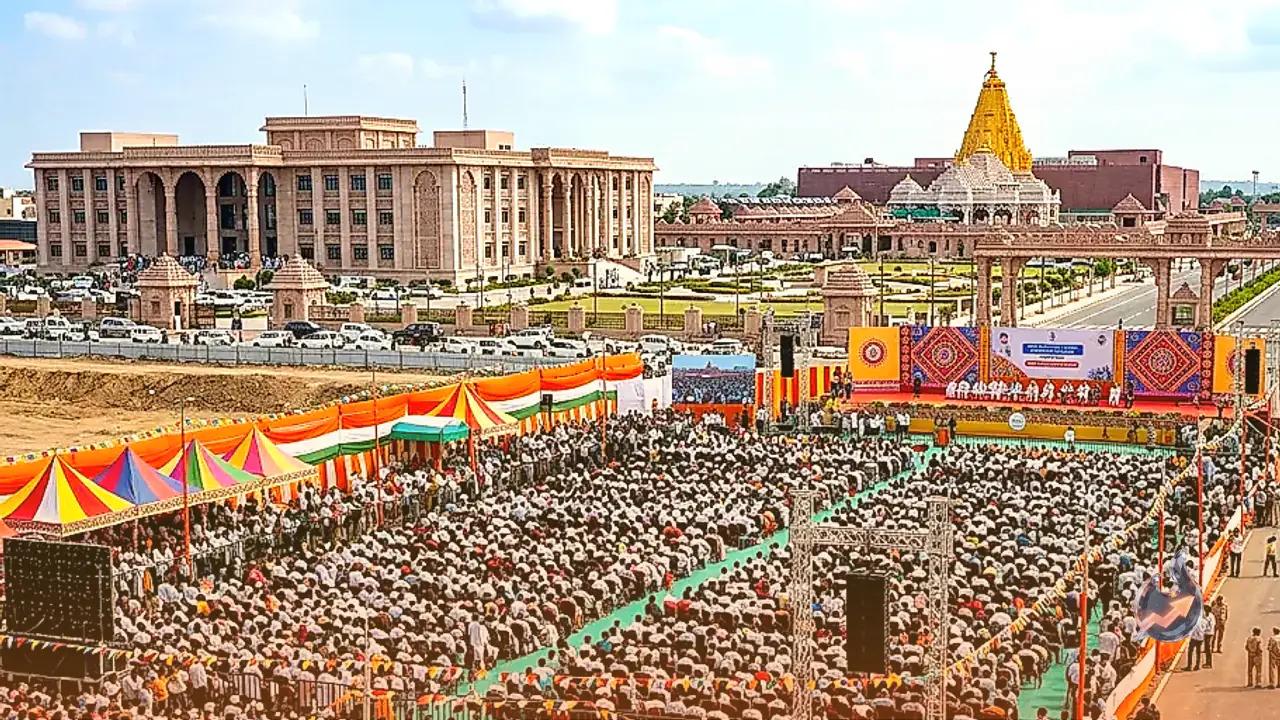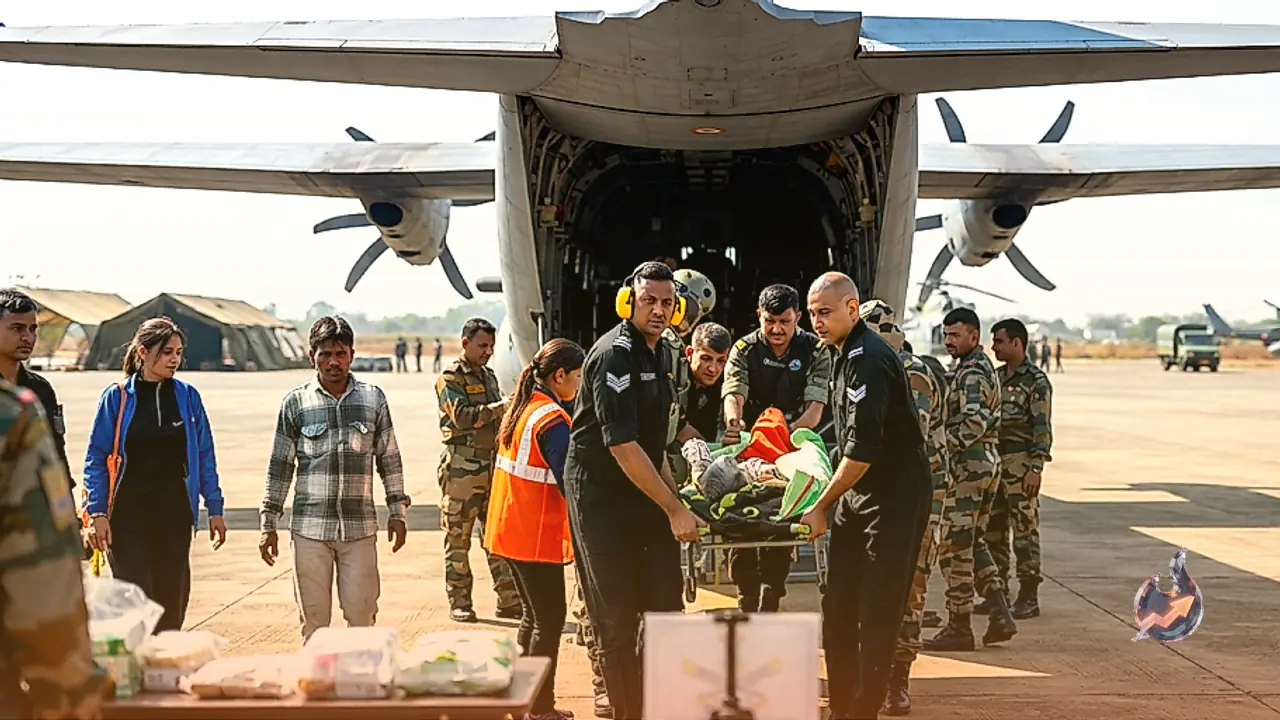

Speaking at Exercise Sahayata Setu in Jamnagar, Gujarat, Chief of Defence Staff General NS Raja Subramani stated that rescue and relief operations during a disaster cannot be managed by a single agency alone. He emphasized that effective response requires strong synergy among the government, the three armed services, the NDRF, paramilitary forces, civil administration, the industry, and ordinary citizens. He noted that collective preparedness and coordinated action are being driven by the 10-point agenda for disaster risk reduction introduced by Prime Minister Narendra Modi in 2016.
Boosting Joint Preparedness and Modern Tech
General Raja Subramani described Sahayata Setu 2026 as a crucial step in this direction, featuring participation from the tri-services, the Indian Coast Guard, the NDMA, the NDRF, state administrations, and friendly foreign nations. The initiative aims to strengthen joint preparedness, clear definition of responsibilities, and the integration of modern technology.
A Reliable First Responder in the Region
He explained that India's Humanitarian Assistance and Disaster Relief policy aligns directly with the Neighborhood First and MAHASAGAR visions. Today, India stands as a reliable first responder across the Indian Ocean Region and the broader Indo-Pacific.
Transcending Borders for Humanity
Citing operations like Operation Dost in Turkey and Operation Brahma in Myanmar, he highlighted India's capacity to deliver swift aid beyond its national boundaries. The CDS stressed that because disasters do not recognize borders, the cooperation required to tackle them must also transcend international limits, with the ultimate goal remaining singular: delivering timely help and saving precious lives.