





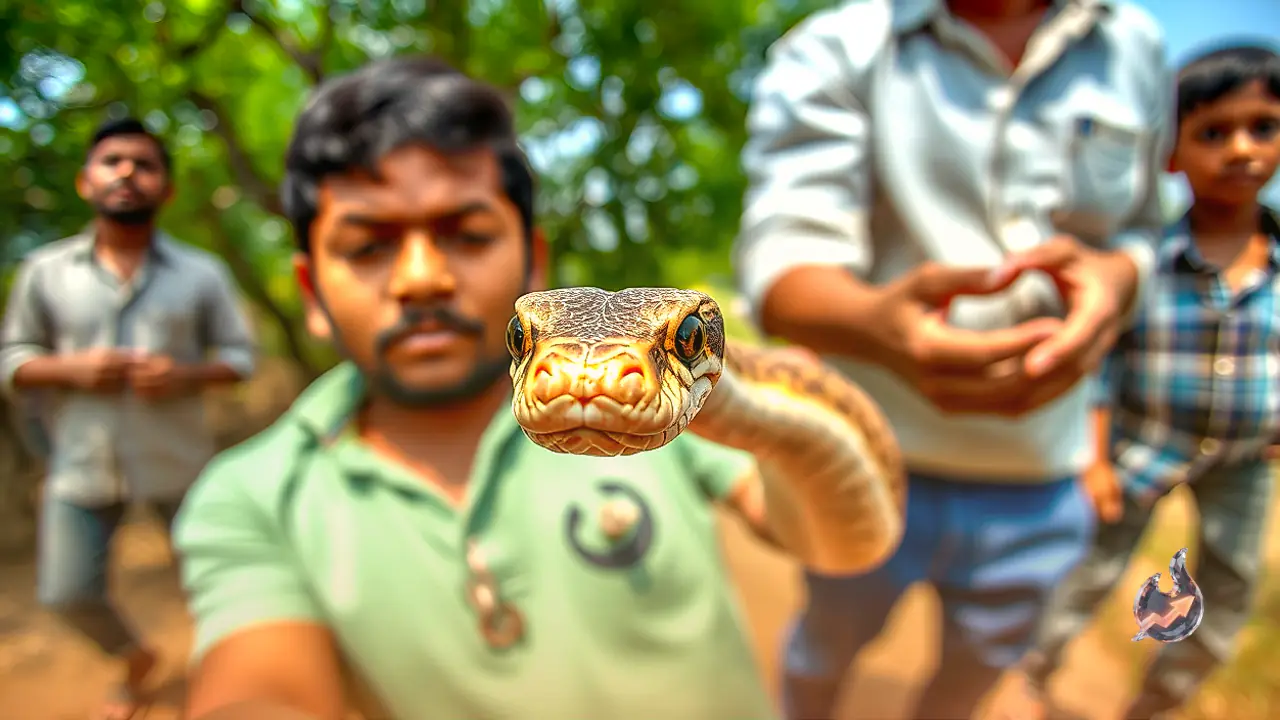

















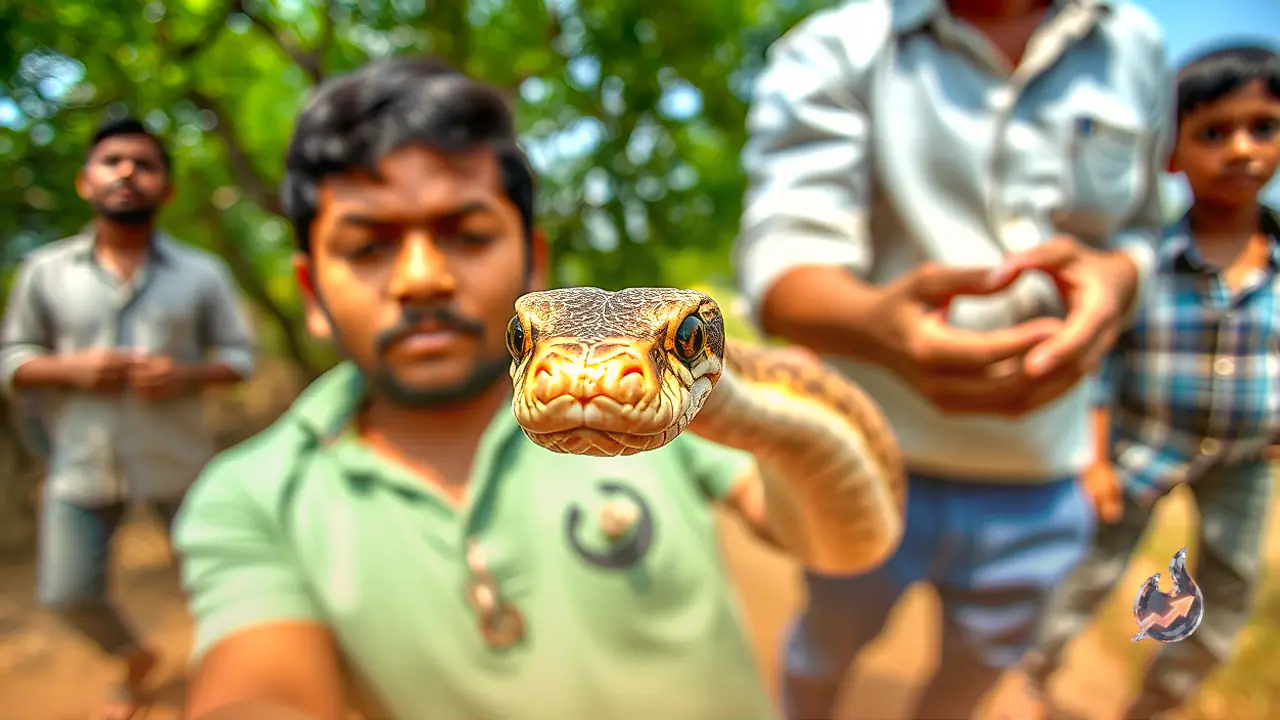

A remarkable wildlife occurrence came to light in the Dahod district of Gujarat after a rare two-headed baby snake was discovered in an agricultural field in Agasvani village, Dhanpur taluka. Upon spotting the unusual reptile, local residents alerted the Dahod Prakriti Mitra Mandal, whose rescue team promptly arrived at the location to secure the creature. Measuring approximately 6 inches in length, the young snake possesses a single body bearing two distinct heads and four eyes, drawing widespread attention from wildlife enthusiasts and researchers.
Species Identification and Dicephaly Condition
The rescued reptile was identified as a young wolf snake. The Dahod Prakriti Mitra Mandal confirmed that this species is entirely non-venomous, meaning it poses no lethal threat to humans. In biological science, this developmental abnormality is known as dicephaly, a genetic anomaly that occurs in only one out of hundreds of thousands of living beings. The condition causes two separate heads along with four functional eyes to form on an otherwise single physical body.
Independent Nervous Systems and Survival Struggles
Examinations revealed that both heads of this snake operate with separate brains and distinct nervous systems. According to wildlife specialists, this anatomical division often causes the two heads to think, react, and attempt to move in opposing directions. The absence of synchronized control creates friction when deciding movement pathways or hunting for food, which severely compromises the creature's ability to survive in the wild. Consequently, such two-headed reptiles typically have very short lifespans. The rescued specimen is estimated to be approximately one year old.
First Instance in Gujarat and Fifth in India
Representatives of the Dahod Prakriti Mitra Mandal stated that this marks the very first documented incident of a two-headed snake in Dahod as well as across Gujarat. Nationwide, it stands as the fifth reported occurrence of dicephaly in snakes. Across India, documented records have previously noted two cobras and three wolf snakes with this condition. Necessary protocols and measures are currently being carried out to ensure the proper shelter, safety, and care of this exceptionally rare reptile.