























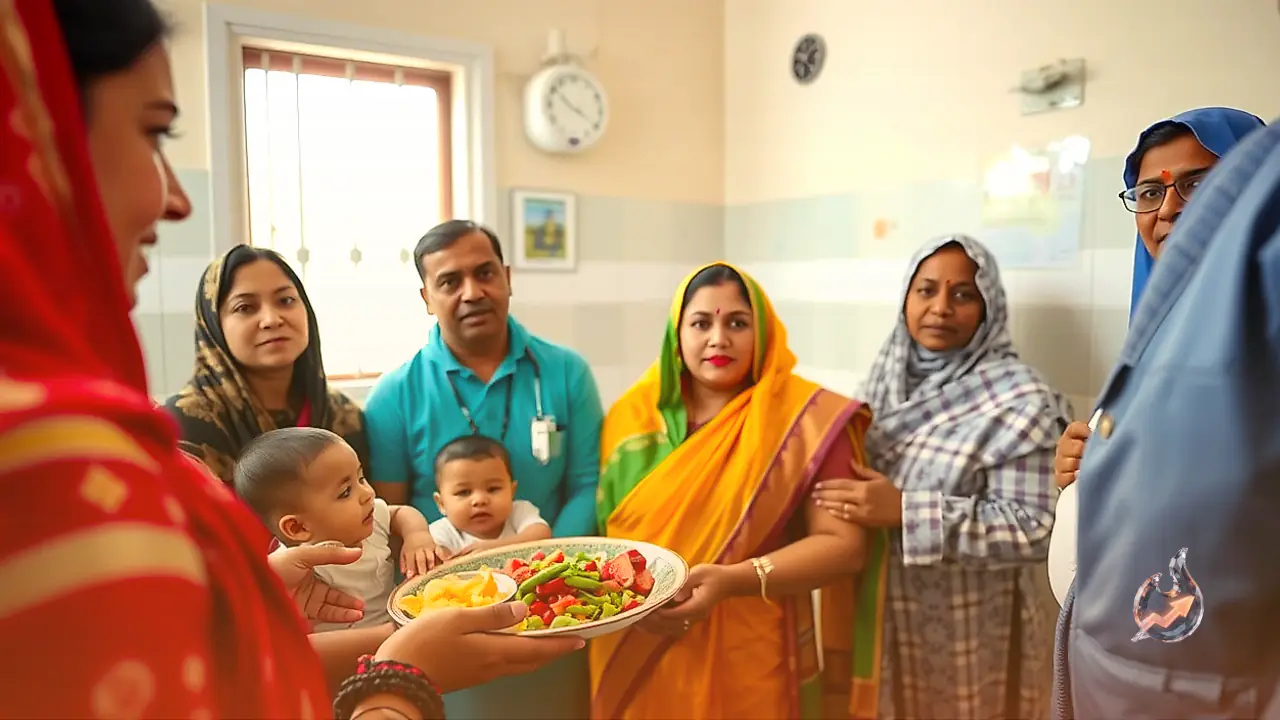

Ensuring healthy physical growth and setting a solid nutritional foundation is a primary concern for every new parent. Yet, figuring out the right timeline to introduce solid foods remains a source of frequent confusion in many households. Due to widespread misconceptions, parents often introduce plain water, fruit juices, or supplementary fluids far too early. In other instances, infants are exposed to salty packaged snacks and processed foods before their digestive tracts are ready. Providing clear clinical guidance on the matter, Dietitian Renu Bala from the Ambala City Civil Hospital has outlined an age-appropriate feeding framework designed to guide parents through the crucial first twelve months of an infant's life.
Exclusive Breastfeeding Remains Essential During the First Six Months
According to Renu Bala, breast milk is the single most vital source of nutrition from birth through the first six months. Many parents feel an urge to start feeding water or other fluids around five and a half months, but clinical advice urges against rushing this natural timeline. In the initial six-month phase, breast milk provides every nutrient, fluid balance, and energy requirement a baby needs. Introducing external liquids prematurely offers no nutritional advantage and can unnecessarily strain the baby's developing digestive system.
Introducing Soft Complementary Foods After Six Months
Once a baby completes six full months, families can systematically transition to home-cooked complementary foods alongside breast milk. The transition must begin with modest portions of gentle, highly digestible preparations rather than heavy or complicated dishes. Ideal beginner foods include clear lentil broth, thoroughly cooked soft rice, and carefully mashed preparations that slide easily down the throat. As the child gradually adapts to these new textures, caregivers can incrementally raise the portion sizes and variety in step with the child's natural appetite and comfort.
Adding Porridge and Softened Flatbread Between Eight and Nine Months
As babies enter the eight to nine-month window, their oral motor skills and chewing reflexes begin to mature steadily. At this stage, Renu Bala recommends incorporating porridge, delicate flatbreads, and other wholesome household staples into the daily menu. When serving roti, it should always be thoroughly softened in lentil soup or warm vegetable gravies and mashed completely to eliminate swallowing hazards. Modifying the texture of the food alongside the infant's expanding developmental capacity is essential for pleasant, safe mealtimes.
Transitioning to Standard Family Fare After the First Year
Upon crossing the one-year milestone, children can be gently acclimated to the general meals prepared for the wider household. Soft pieces of roti, lentils, and mild vegetable curries can be served in small, manageable morsels. Dishes such as cooked potatoes or mild seasonal vegetables can be lightly kneaded with bread to aid consumption. Fresh seasonal fruits are also a valuable addition at this age, though they must always be cut into tiny, secure bits. Large, firm fruit chunks pose an acute choking hazard if lodged in a young child's airway.
Guarding Against Packaged Snacks and Processed Foods
The nutritionist sounded a firm warning regarding early exposure to commercial convenience foods. Parents frequently consume chips, fried savory snacks, and packaged treats at home and casually offer small bites to infants. This early introduction often causes children to develop an intense preference for strong artificial flavorings, leading them to reject subtle, nutrient-dense home cooking. Establishing wholesome dietary preferences early requires keeping infants away from ultra-processed snacks entirely.
Focusing on Green Vegetables Over Fast Food
Children's daily menus should regularly feature diverse recipes centered around fresh green vegetables, which provide vital micronutrients for growth. In contrast, fast foods such as commercial noodles, chowmein, chips, and salty packaged snacks must never become routine staples in an infant's diet. Cultivating an appreciation for wholesome, freshly cooked home food early on protects the child's palate and metabolic health.
Gradual Dietary Progression Builds Lifelong Health Habits
Renu Bala emphasized that pacing is the cornerstone of healthy infant nutrition. Food quantity, texture, and variety should expand gradually, keeping the child's individual pace and digestive capacity at the forefront. Wholesome nutritional habits established during infancy not only safeguard immediate physical milestones but also anchor the foundation for a resilient, health-conscious lifestyle throughout adulthood.