






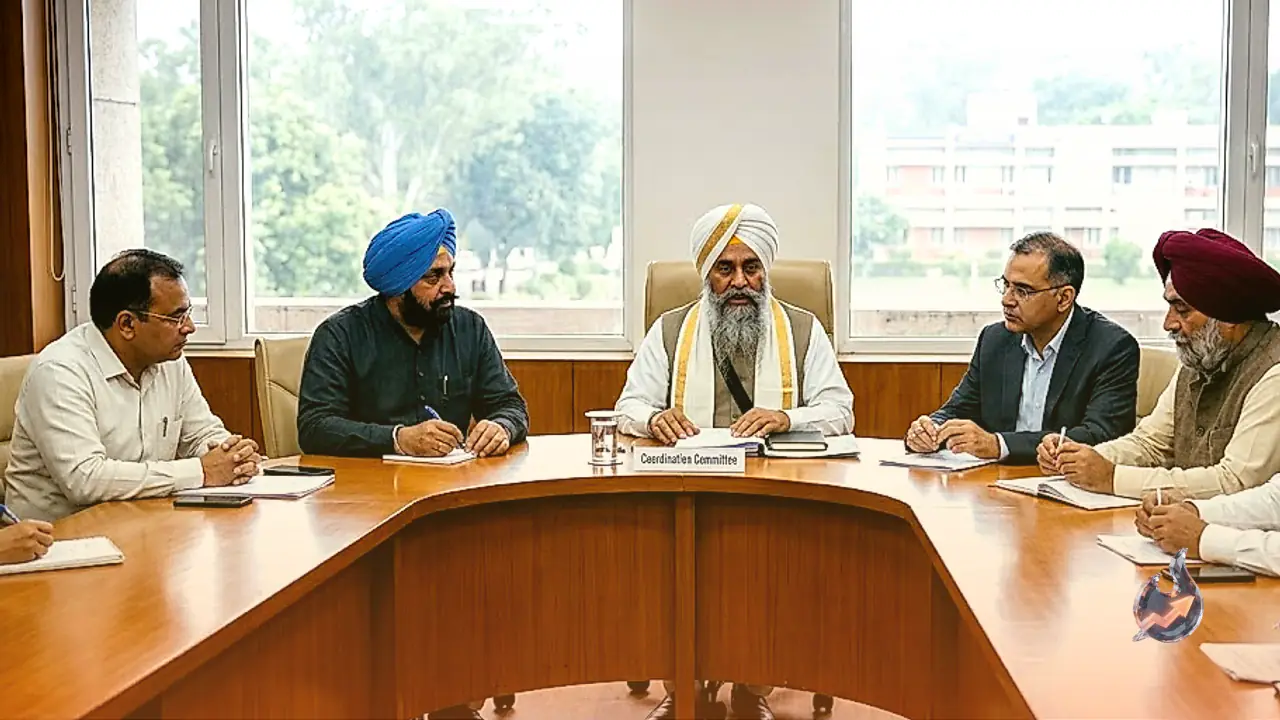














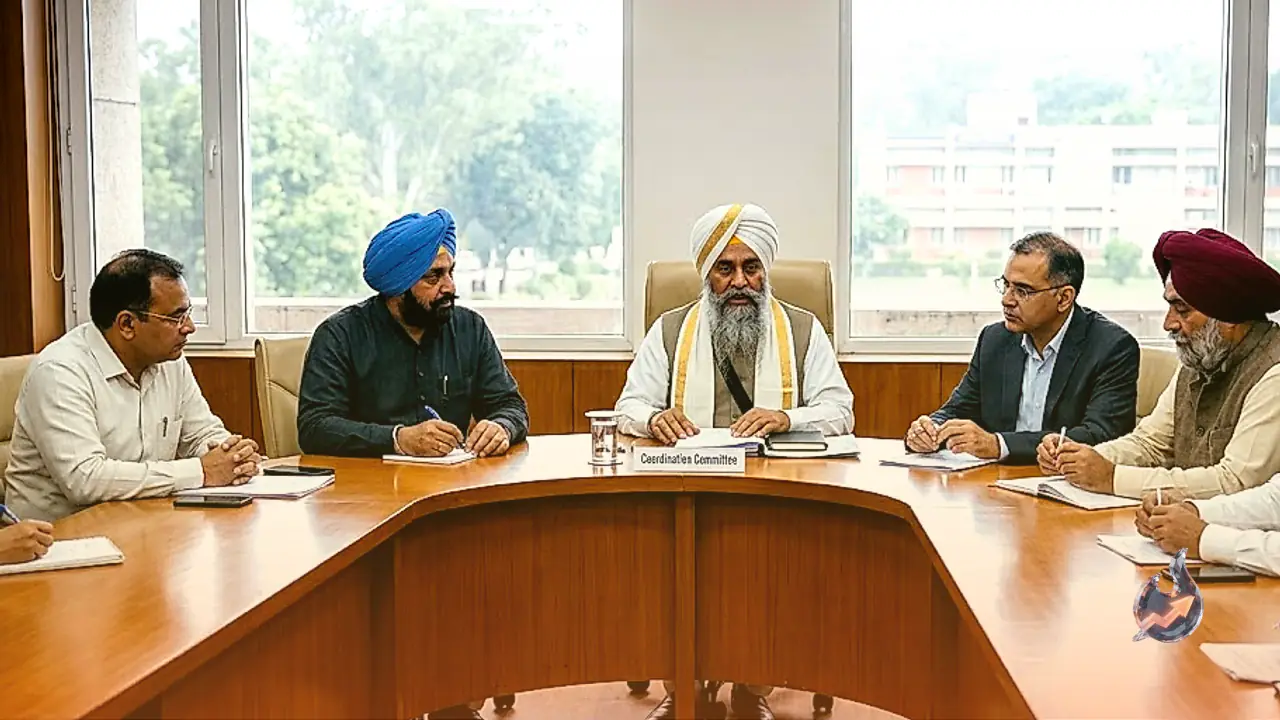

A critical consultative session regarding the legislative framework of the ‘Jagat Jot Sri Guru Granth Sahib Satkar (Amendment) Act, 2026’ has been scheduled for October 6 at 12 noon in Chandigarh. Formed by the Punjab government led by Chief Minister Bhagwant Singh Mann, the seven-member coordination panel will sit together to thoroughly examine the provisions of this anti-sacrilege statute. The primary objective of the meeting is to ensure that while incorporating guidance submitted by Sri Akal Takht Sahib, the sanctity and core intention of the law remain completely uncompromised.
Composition of the High-Level Committee
The state-appointed panel features a diverse group of prominent spiritual leaders, retired members of the judiciary, and seasoned civil administrators. Among the members are Giani Raghbir Singh, former Jathedar of Sri Akal Takht Sahib, along with Sant Giani Harnam Singh Khalsa, who heads the Damdami Taksal, and Sant Baba Sewa Singh Rampur Khera. To ensure sound legal appraisal, the panel includes retired Justice Jaspal Singh and retired Justice Gurbir Singh. Administrative and legislative clarity is further supported by the presence of retired IPS officer Jatinder Singh Aulakh and law officer Preet Inder Pal Singh.
Building Consensus and Structured Engagement
A key responsibility entrusted to this coordination team is designing an effective working mechanism alongside the separate panel formed by Sri Akal Takht Sahib. The forthcoming Chandigarh meeting aims to facilitate productive and constructive discussions, giving due weight to varied viewpoints and submissions without diluting the statute. By rigorously analyzing the feedback, the committee plans to establish a structured route forward that honors the perspectives of religious authorities while retaining statutory rigor.
Unyielding Stance on Stringent Penalties
Prior to setting this upcoming formal agenda, Chief Minister Bhagwant Singh Mann met with the high-level group on Sunday to align objectives. He conveyed unambiguous guidance regarding negotiations with the Akal Takht panel, insisting that the fundamental spirit of the legislation must never be diluted. Emphasizing the deterrent value of the statute, Chief Minister Bhagwant Singh Mann stated, “Provisions such as life imprisonment and heavy fines for those committing sacrilege are the main foundation of this law.” The government maintains that severe punitive repercussions are vital to permanently halt such painful transgressions.
Addressing Community Concerns and Next Steps
Recurrent incidents of sacrilege over past years have caused profound anguish among the Sikh community. In the government's view, enacting decisive and unyielding legal barriers brings much-needed relief to distressed devotees across the state. The upcoming dialogue between the state committee and the Akal Takht representatives represents a decisive step toward refining the amendment's legal mechanics while ensuring that its foundational purpose remains firm, effective, and fully respected.