






















Rising concerns over kidney health have become increasingly prominent amid changing lifestyles and dietary habits. Routine daily routines often harbor subtle risks that gradually undermine renal function over time. Medical experts emphasize that prolonged high blood sugar from diabetes and uncontrolled high blood pressure stand out as the primary catalysts behind renal complications. Sustained spikes in blood glucose inevitably harm the tiny, delicate blood vessels within the kidneys. In a similar vein, chronic hypertension exerts relentless mechanical strain on kidney tissues, impairing their vital filtration capabilities.
The Risks of Suppressing Urination and Ignoring Infections
Providing detailed medical insights, Dr. Jitendra Verma, an Ayurvedic doctor practicing at the Ambala Cantonment Civil Hospital, explained that several interconnected lifestyle and biological factors drive kidney disorders. He issued a specific advisory for individuals who habitually postpone urination due to professional commitments, prolonged travel, or other daily compulsions. Drawing upon classical Ayurvedic wisdom, he emphasized that suppressing the natural urges of the human body must always be avoided, as retaining wastes directly stresses the urinary tract.
Furthermore, medical attention should never be delayed when encountering urinary symptoms or discomfort. If a urinary tract infection is not addressed promptly with proper medical intervention, the infection can ascend toward the upper urinary system. Once pathogens compromise the kidneys, the resulting inflammation can inflict long-lasting damage on renal structures, elevating the likelihood of functional decline.
Managing Systemic Conditions and Regulating Fluid Consumption
Dr. Verma highlighted that both diabetes and elevated blood pressure pose severe and enduring risks to renal well-being. Modern clinical medicine firmly recognizes chronic high blood pressure and diabetes as foremost causes contributing to chronic kidney disease. Consequently, strictly managing and monitoring these two systemic ailments remains an indispensable prerequisite for safeguarding renal longevity.
Addressing hydration, Dr. Verma advocated a balanced and measured approach to water consumption. While drinking sufficient water is widely regarded as a key preventive measure against kidney stone formation, individual hydration needs vary widely depending on underlying ailments, seasonal weather shifts, and daily physical activity levels. He pointed out that in cases of kidney failure or advanced renal complications, medical practitioners often impose strict fluid restrictions to avoid fluid overload. Therefore, individuals suffering from kidney conditions must regulate their daily fluid intake under the precise guidance of their treating physician.
Dietary Restrictions and the Safe Use of Traditional Herbs
Turning attention to nutritional management, Dr. Jitendra Verma advised kidney patients to exercise meticulous caution regarding their daily food choices. He stressed that a uniform diet plan cannot be applied indiscriminately to every patient. Dietary adjustments must be customized according to the specific clinical stage of the disease as well as circulating concentrations of potassium, phosphorus, sodium, and protein. Patients dealing with severe renal complications should avoid or discontinue foods such as cucumber, tomato, curd, rice, and lentils, consulting their doctor to finalize a customized diet.
Regarding traditional herbal therapies, Dr. Verma referenced foundational botanical remedies like Gokshura, Punarnava, Varuna, and Giloy, which are documented in Ayurvedic texts for managing urinary and renal complaints. He also mentioned Patharchatta, often discussed in renal care. However, he strongly warned kidney patients against initiating any herbal formulations or over-the-counter supplements independently. When baseline kidney function is already compromised, unmonitored supplements and herbal compounds can exert unpredictable and potentially harmful metabolic impacts.
Early Screening and Diagnostic Vigilance
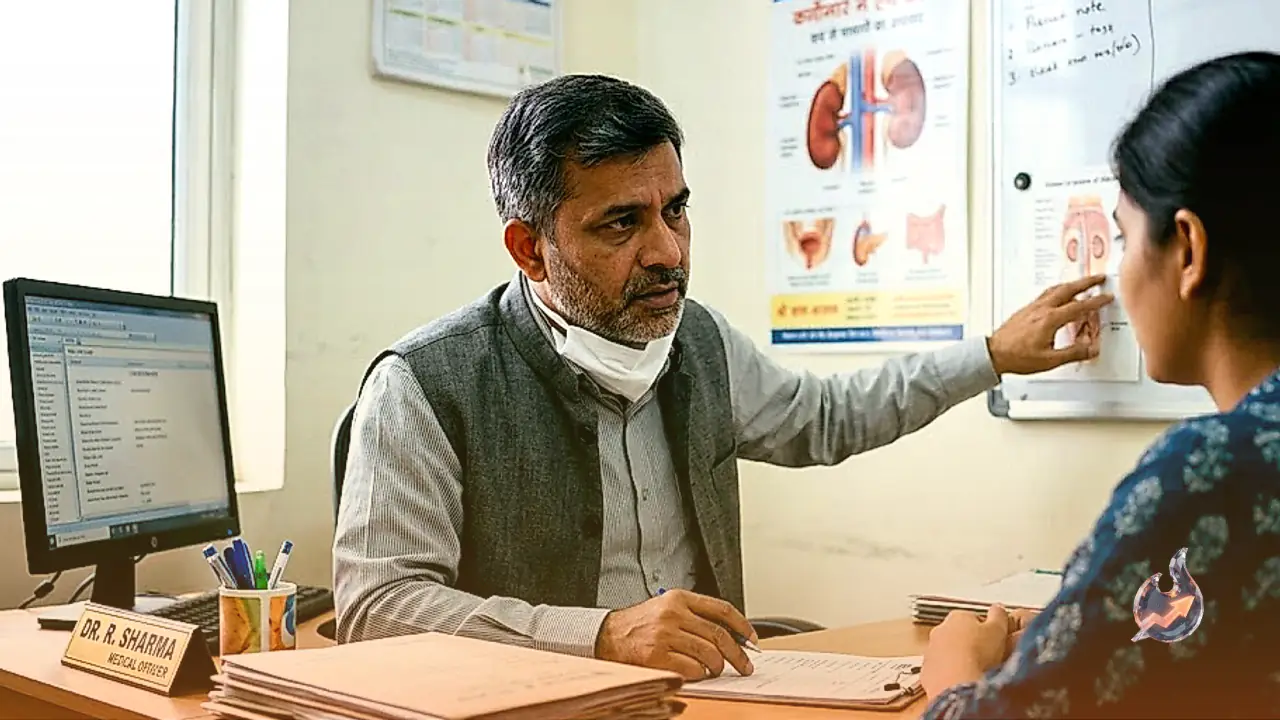
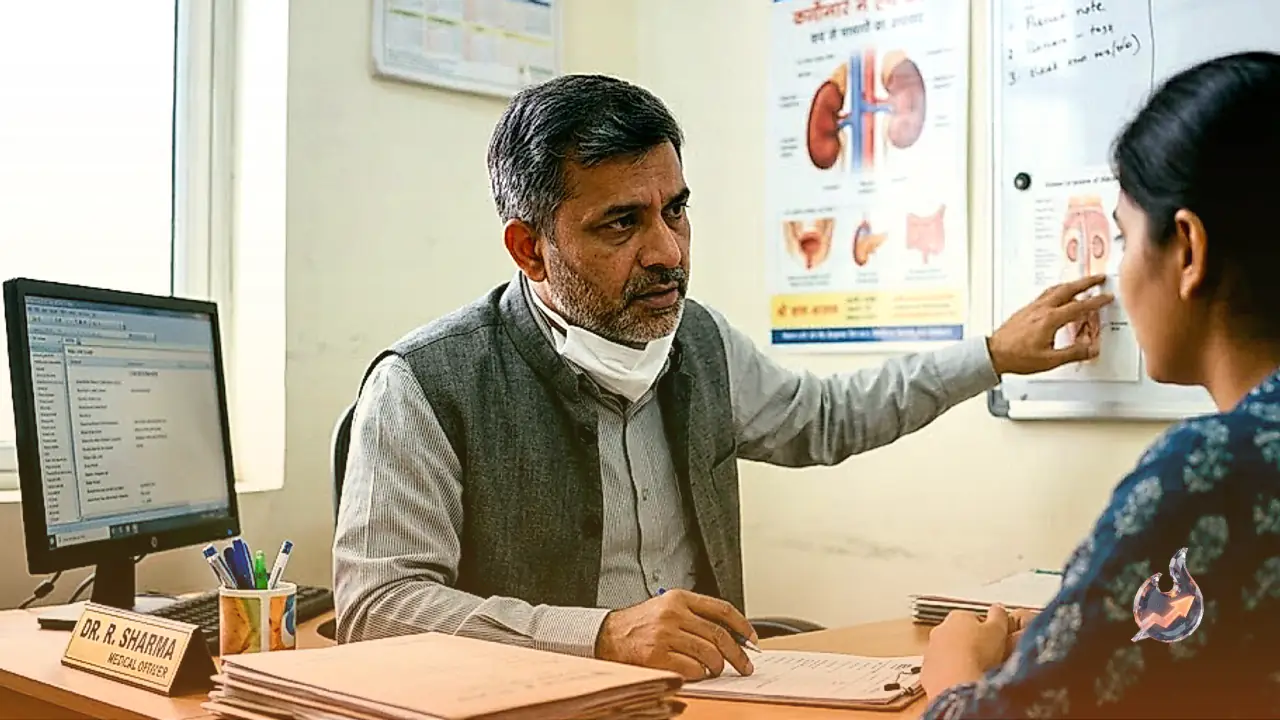
A major clinical challenge associated with renal disease is that it frequently progresses without manifesting overt symptoms during its formative stages. Because renal decline often unfolds silently, individuals living with diabetes, hypertension, or a documented family history of kidney disorders must undergo regular medical screenings. Through timely clinical consultations, routine blood and urine analyses, and targeted medical nutrition therapy, individuals can effectively safeguard their renal health.