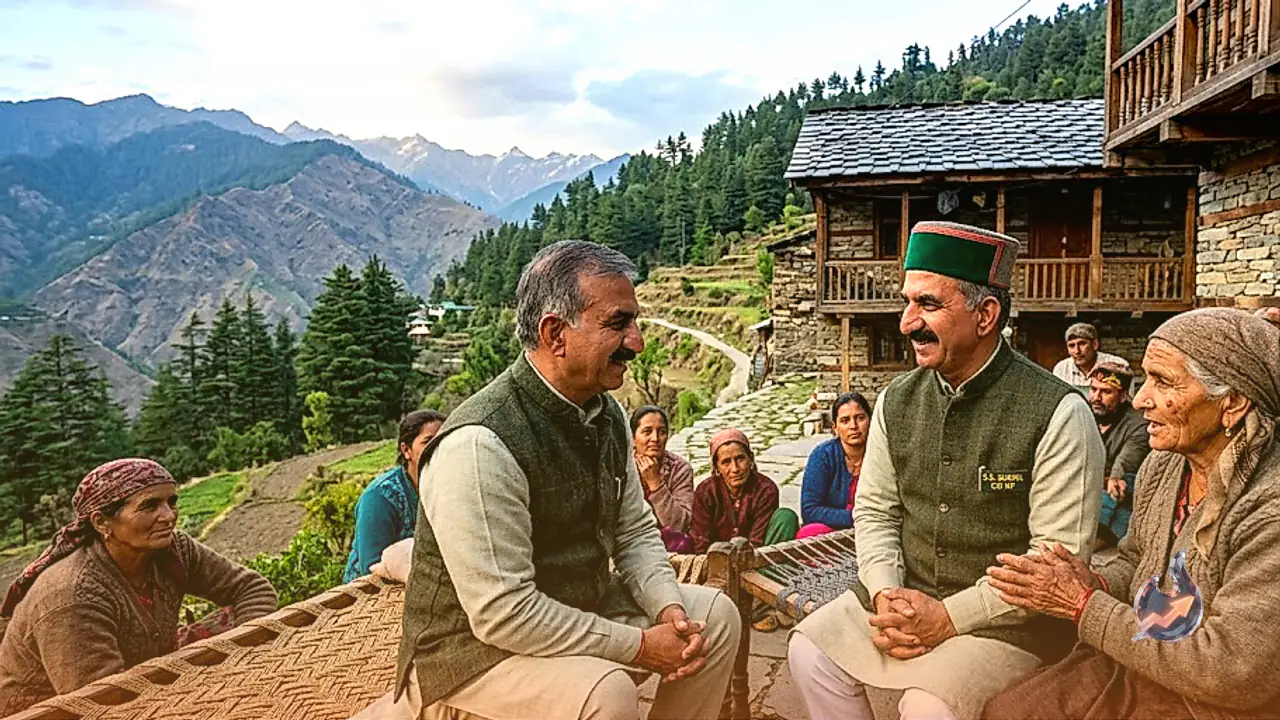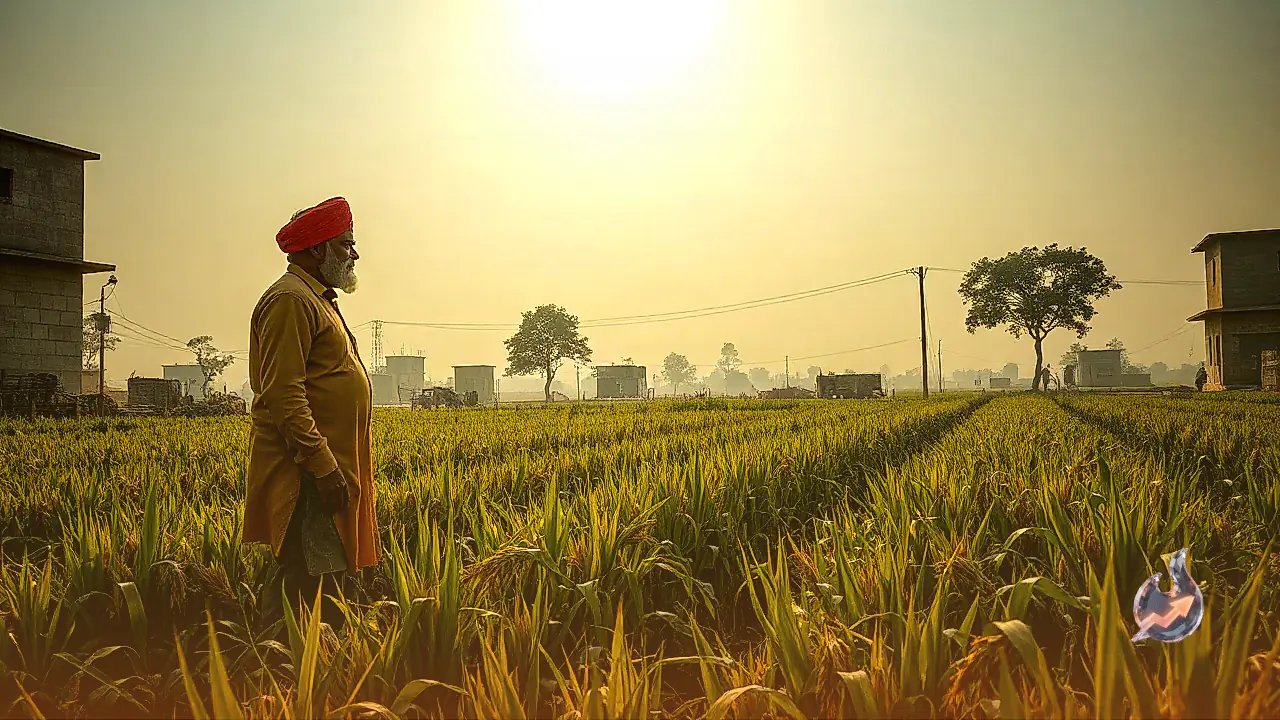
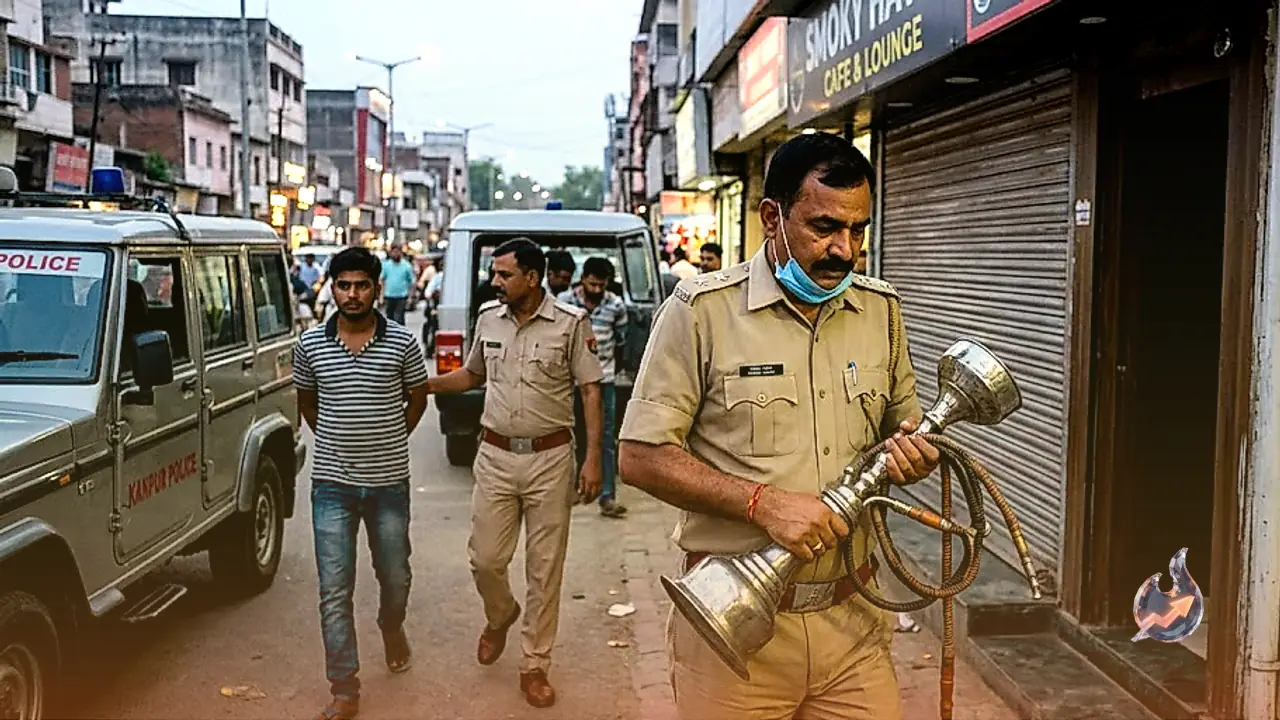



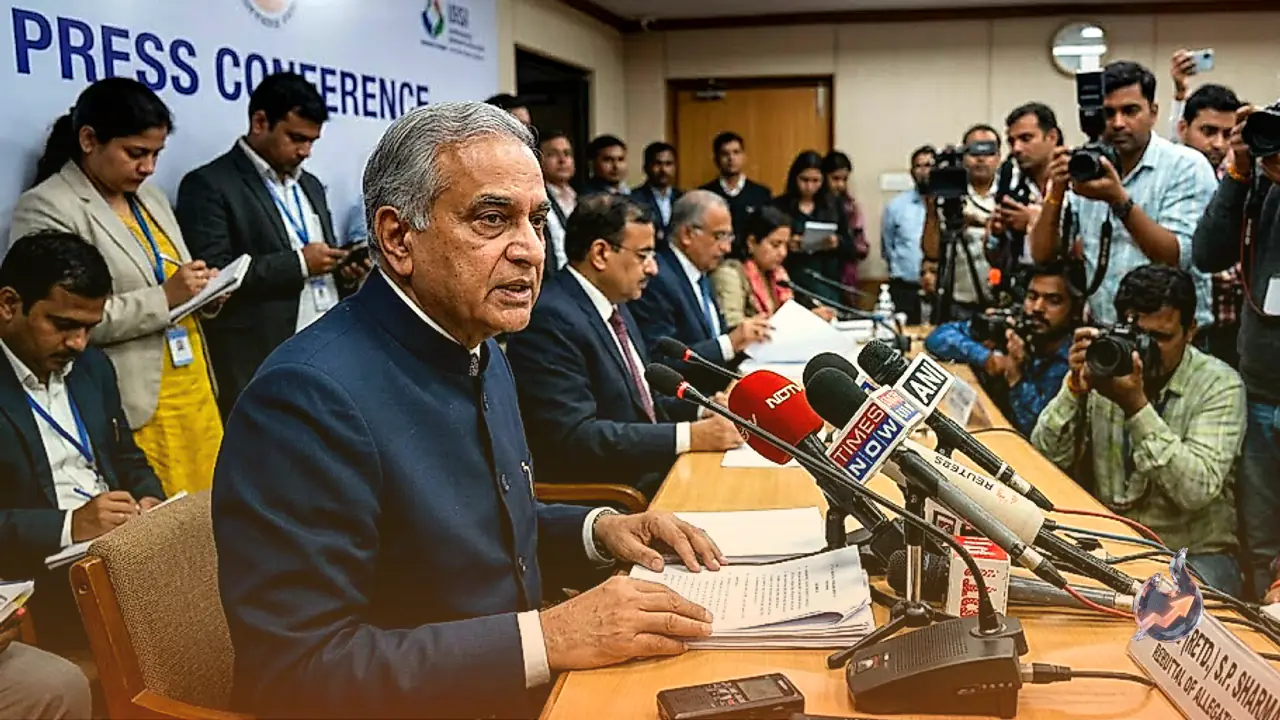

















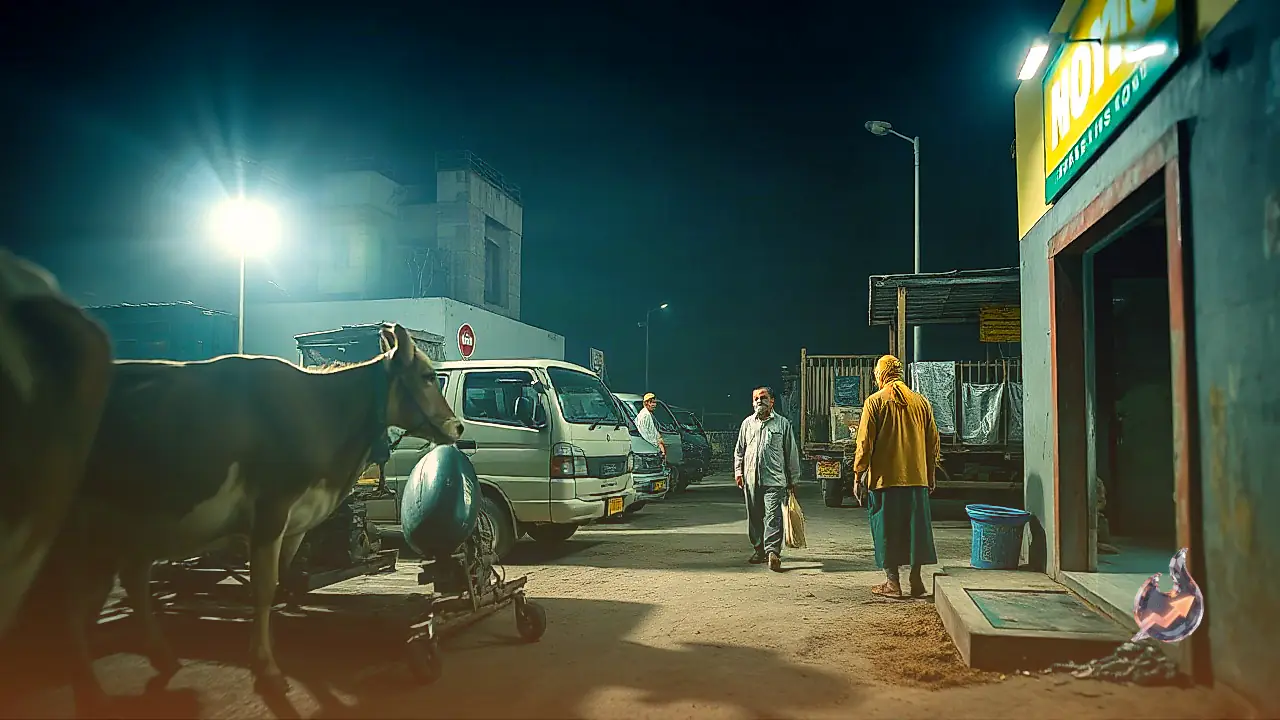

Dairy farmers and agricultural producers in Haryana have declared a statewide shutdown of milk collection, procurement, and transport from October 1 to October 3, following resolutions passed at a major gathering in Sirsa. The strike aims to secure substantially higher purchase prices for raw milk to offset the escalating costs of cattle feed and to mount a collective campaign against spurious synthetic milk. Given Haryana's strategic role in regional dairy logistics, the supply disruption is expected to create ripples beyond the state, potentially affecting commercial flows into Delhi, Punjab, and Rajasthan.
Plant Gherao Plans and Price Demands
Under this agitation, farmers intend to stage sit-ins outside prominent processing facilities, such as the Vita milk plant in Sirsa, effectively choking inbound and outbound supply routes. Dairy operators have emphasized that the input costs of essential cattle nutrition, specifically fodder, mustard oil cake, and cottonseed, have escalated steeply, making production unviable at existing procurement rates. In response, they have demanded that the government and private dairies fix the price of cow milk at 80 rupees per liter and buffalo milk at 100 rupees per liter. Simultaneously, the organizers are seeking to build consumer awareness against artificial and adulterated milk products that continue to undercut legitimate dairy farmers.
Current Stock Realities in Faridabad
In the urban hub of Faridabad, daily milk distribution has thus far remained uninterrupted, with local markets relying primarily on packaged supply lines maintained by Amul and Vita. Shaman Shah, a Faridabad distributor representing Amul, indicated that transport consignments have arrived as scheduled, maintaining adequate inventory levels across retail shelves. Nevertheless, industry watchers are monitoring the grassroots impact of the Sirsa gathering over the remaining forty-eight hours to determine whether village-level chilling hubs and collection logistics hold up against picketing.
Consumption Patterns and Distribution Volumes
The scale of potential disruption is highlighted by urban demand figures compiled by the National Dairy Development Board. As of 2019 NDDB estimates, Faridabad alone recorded a daily household consumption volume of approximately 12 lakh 29 thousand liters of milk and derivative products. Liquid milk utilized directly for drinking and beverages like tea and coffee accounted for nearly 5 lakh 10 thousand liters per day, while approximately 7 lakh 20 thousand liters were consumed in the form of processed milk items. While retail counters currently show no sign of shortages, sustaining supply to meet such high urban consumption remains dependent on regional logistics remaining open.