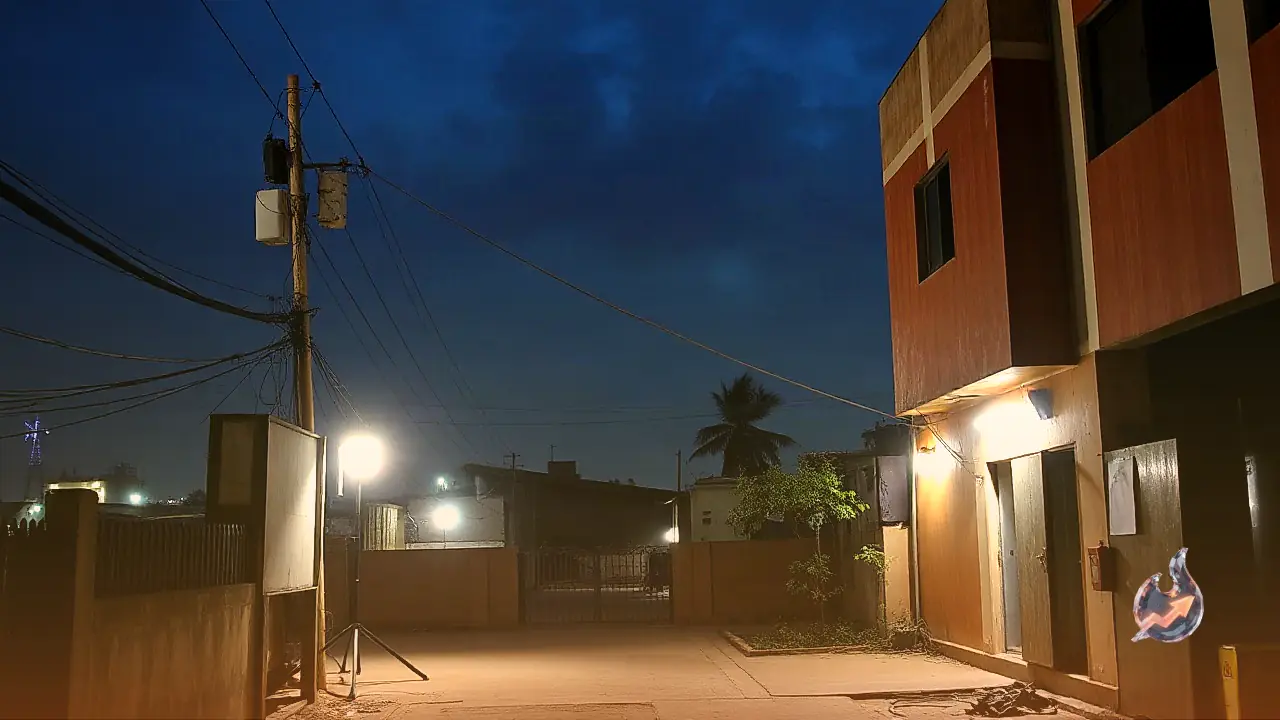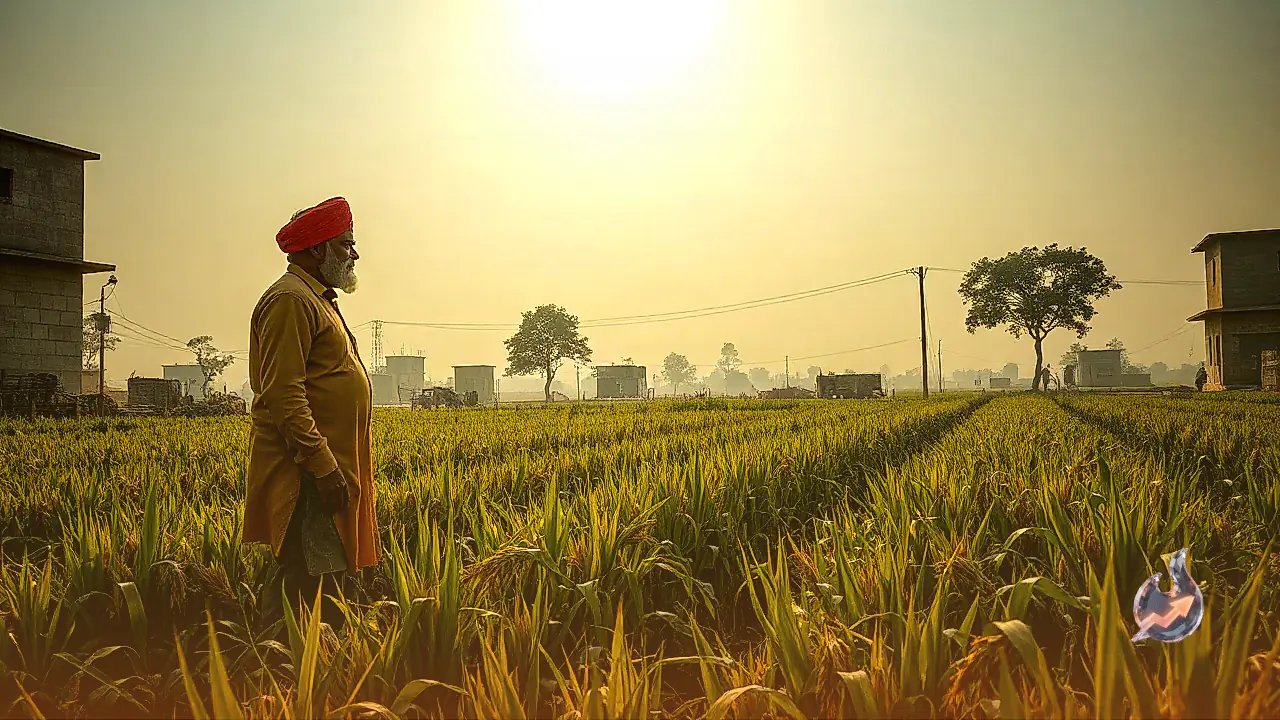





















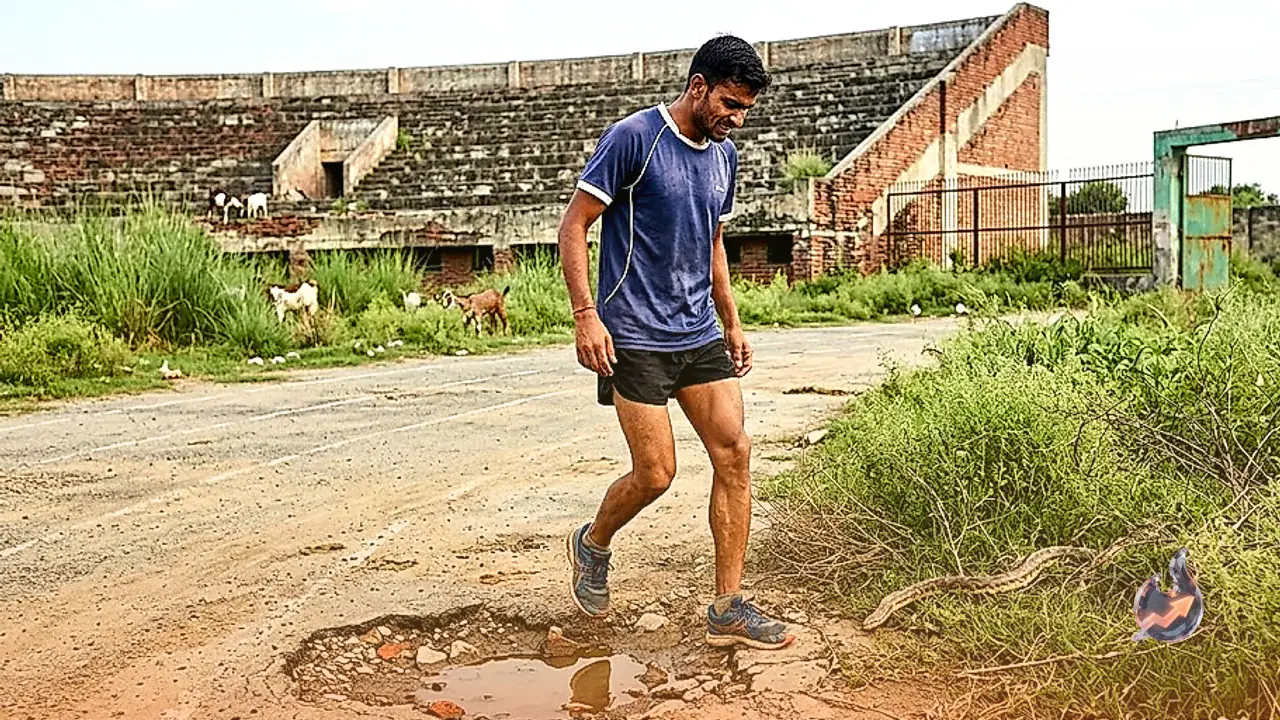

Spanning roughly 6 acres in Dayalpur village of Faridabad, a rural sports facility that once nurtured champion athletes is now battling acute official apathy and structural decay. The ground served as the proving grounds for numerous sporting talents who went on to represent their state and country in judo, kabaddi, wrestling, and archery. Today, however, young aspirants attempting to train on the premises are confronted by hazardous training conditions. The synthetic-free running track is pitted with potholes, thick vegetation has overrun large sections of the facility, and athletes report regular sightings of snakes. Compounding the situation is a chronic lack of adequate illumination during morning and evening practice hours. Basic perimeter security has also remained absent for a prolonged period, with work to reinstall a main entrance gate commencing only recently after lying broken for roughly two years.
A Heritage of Producing Asian Games and National Laurels
Local resident Padam Singh points out that Dayalpur has earned a historic reputation as a hub of athletes, thanks largely to the opportunities provided by this 6-acre facility. Trainees starting from this ground have distinguished themselves across district, national, and international championships. Among its most prominent alumni is Parvinder Hooda, who secured an Asian gold medal in judo, alongside Sardar, who clinched medals at the international kabaddi level. In archery, Kalpana won honors on the national circuit, while judokas Veer Bhan and Titu Hooda consistently made their mark at national competitions. Villagers emphasize that with proper upgrades, dedicated maintenance, and basic sports infrastructure, this very arena holds the potential to prepare another generation of world-class competitors.
Potholed Running Tracks and Stray Animals Threaten Trainees
In the absence of dedicated caretakers, stray cattle frequently wander across the open ground, disrupting sporting drills. The neglect reached such a state that prior to the monsoon season, local athletes had to pool their own resources to plough and smooth the track to make it minimally usable. Describing the everyday hazards, a local athlete named Manish explains that deep crevices on the running circuit present a constant danger of twisted ankles and severe physical injury. Dense overgrowth immediately adjacent to the running route shelters venomous insects and reptiles. Multiple athletes confirm that snakes have been spotted crawling across the track, underscoring the pressing need to construct a paved, properly fortified, and secure track so that junior trainees can practice without anxiety.
Inadequate Illumination and Weed Infestations Deter Youth
Prince, a Class 11 student who visits the sports facility daily for conditioning drills, notes that large patches of uncut scrub border one side of the perimeter, creating vast blind spots due to weak lighting. Running over uneven, potholed ground in low visibility while remaining wary of snakes darting out from the brush leaves youngsters constantly fearful. Rather than focusing entirely on fitness and technique, students must stay vigilant against bites and falls. Community members agree that comprehensive clearance of the wild vegetation alongside the immediate installation of high-mast floodlights is essential to make the complex safe for training sessions during dawn and dusk.
Demands for Dedicated Caretaking Staff and Weed Clearance
Highlighting the historical footprint of the venue, villager Rajesh Kumar stated that the arena has nurtured top wrestlers who brought acclaim to the nation on foreign soil. He noted that Dayalpur is renowned for producing standout performers in kabaddi and judo, yet aspiring competitors today are forced to contend with thorny bushes, unkempt grounds, and a total void of basic amenities. He argued that the facility urgently needs permanently assigned staff members responsible for campus security and regular upkeep. Meanwhile, ground-level efforts to control the excessive scrub have begun through chemical applications. Mantos Kumar, who was engaged in spraying weedicide across the complex, shared that an organization directed him to treat the wild brush, leading him to spray roughly 10 to 12 tanks of solution since morning. While drying out the vegetation will improve visibility and reduce snake encounters in the short term, residents maintain that only consistent institutional upkeep will restore a truly safe sporting environment.